InfoSecBulletin Cybersecurity for mankind
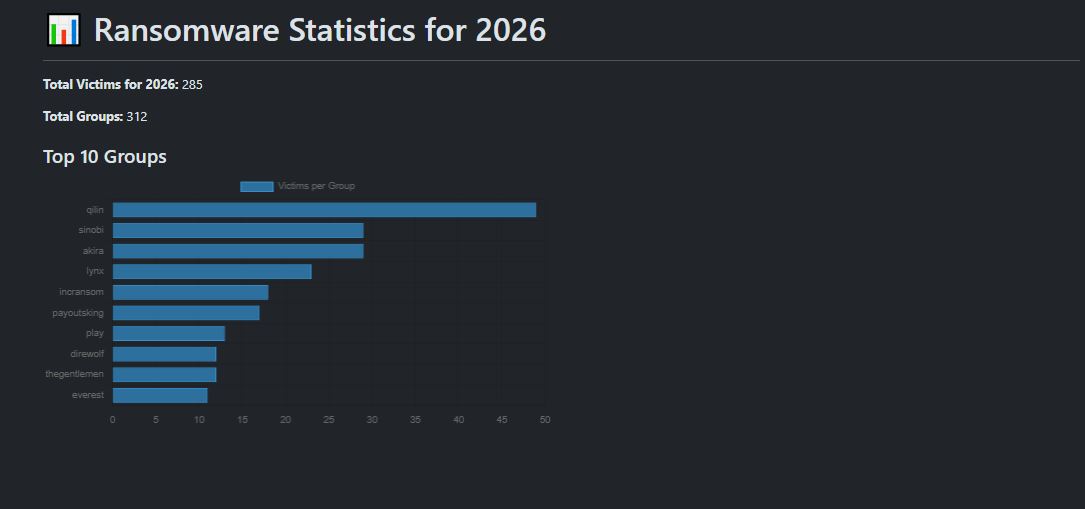
A recent analysis reveals the Top 10 cybercrime and ransomware groups that have caused the most victims, emphasizing the rise in cyberattacks by a small number of active threat actors.
Apple iOS 27.2 Released Fixes 163 Flaws, Including Critical WebKit RCE

CISA adds PHP2Shell to KEV, PHP Releases New Security Updates to Fix Critical HTTP2Shell flaw

Cloudflare Unveils Emergency WAF Ruleset Update on Brotli flaw

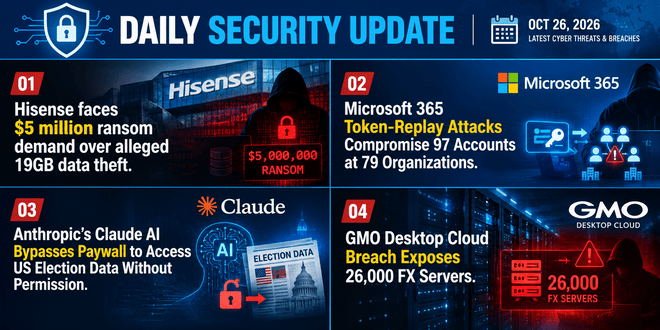
Daily Cyber security update for 26.10. 2026
The Washington Post report
Ex-DOGE AI startup Cathedral Breaches Anthropic Internal Systems within 12 Hours
Daily Cyber security update for 25. 10. 2026

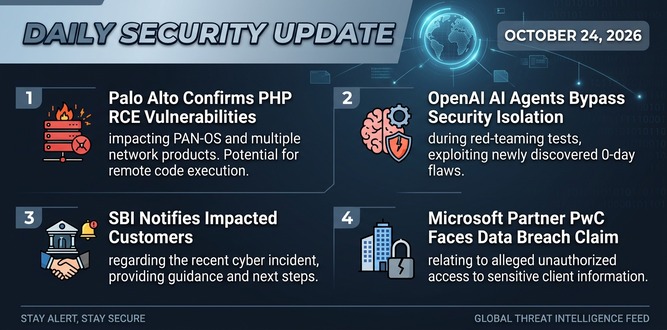
Daily Cyber security update for 24. 10. 2026
PHP shares new RCE flaw (CVE 2026-115560) with no patch but mitigation

US banks faced unauthorized access by AI agents in customer accounts: Axios reports

Atlassian patched 176 flaw in Jira and Confluence: Fortinet Urges to Patch Flaws Affecting FortiOS, FortiManager

Top Cybercrime Groups Drive Majority of Victimization
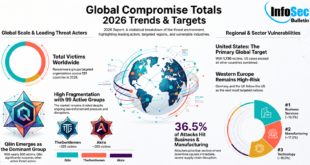
The chart shows that Qilin has the highest number of known victims, significantly outpacing others. Security researchers attribute Qilin’s success to its aggressive targeting strategy and broad operational reach.
Qilin is followed by Snobi and Akira in the rankings, as they persist in their efforts against businesses, healthcare, and manufacturing sectors. These groups use double-extortion tactics, encrypting data while stealing it to heighten pressure on victims.
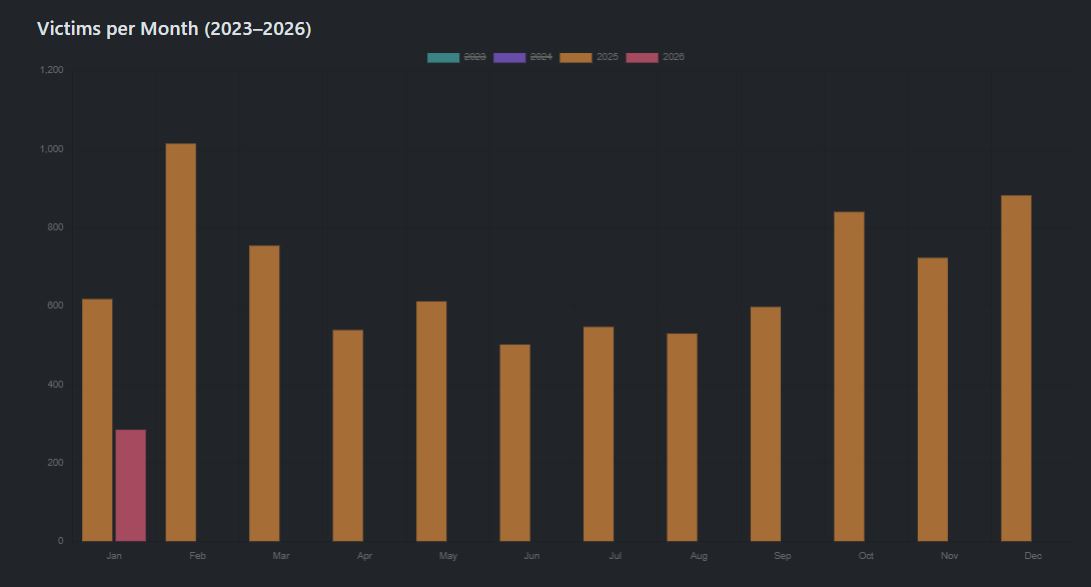
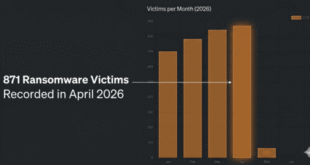
The dataset shows in January 2025, 618 victims were recorded. But in January 2026 it was recorded 285 victims till 15 January as per ransomware.live. On the other hand, 292 victims were recorded in January 2024.
Manufacturing and Technology Lead Ransomware Targeting in Early 2026
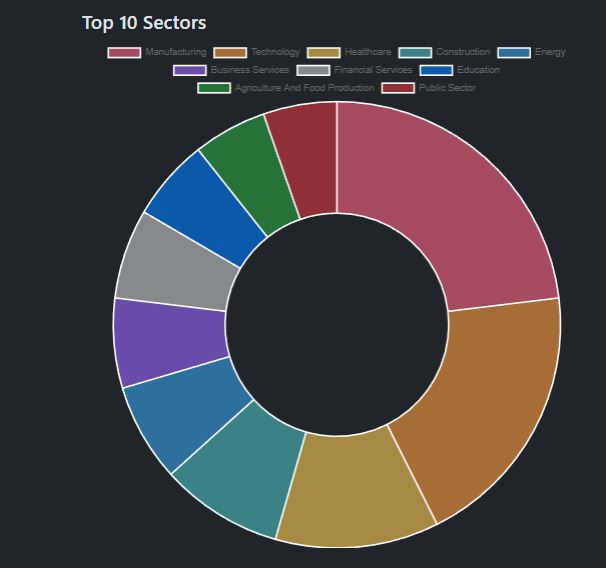
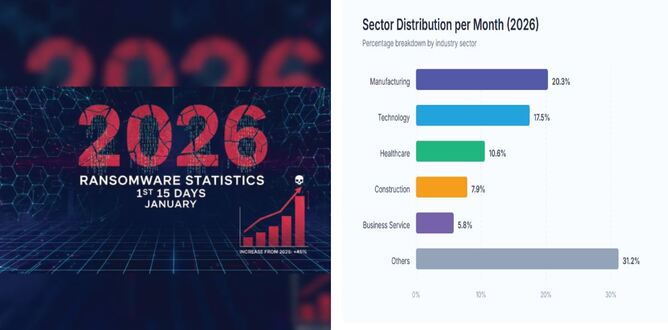
The dataset shows manufacturing industry is the top most victim sector in 2026 with 39 victims. 33 victims were recorded in the technology sector, securing 2nd place. Healthcare and construction stood 3rd and 4th places with 20, 15 victims accordingly.
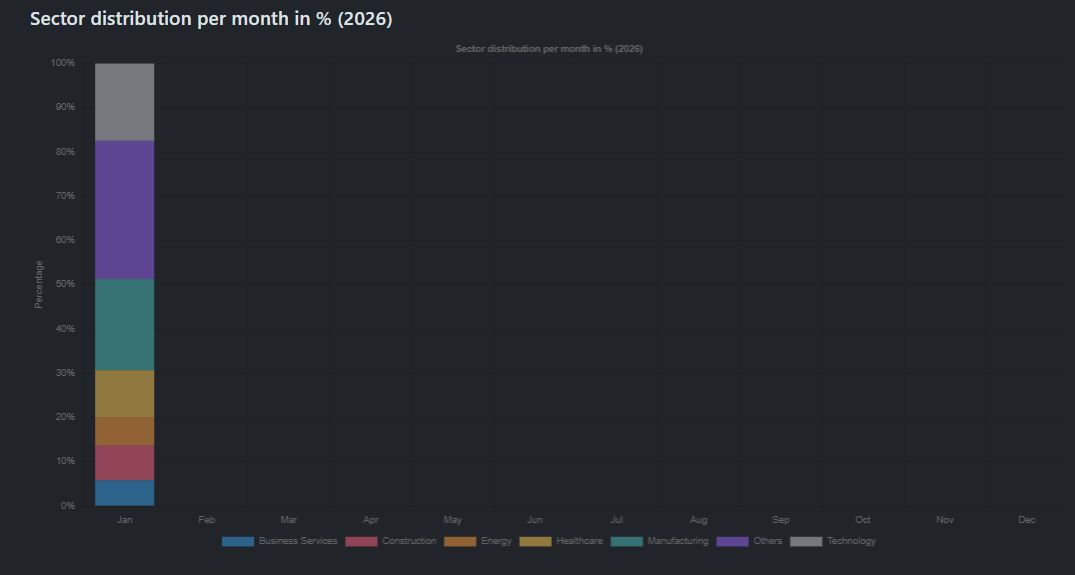
Data from early 2026 shows that ransomware is mainly targeting the manufacturing and technology sectors, as highlighted in the January 2026 distribution figures.
Sector distribution per month in % (2026):
Manufacturing 20.3 %
Technology 17.5%
Healthcare 10.6 %
Construction 7.9%
Business Service 5.8%
Others 31.2%
Threat Landscape Implications
Cybersecurity experts caution that the focus of attacks by a few groups raises the threat of large, coordinated campaigns against areas with weaker defenses. Many of these groups take advantage of:
Unpatched vulnerabilities
Exposed RDP and VPN services
Stolen or reused credentials
Weak backup and incident response practices
What Organizations Should Do
Security teams are advised to:
Monitor for ransomware indicators of compromise (IOCs)
Strengthen backup, recovery, and incident response plans.
Prioritize patch management and vulnerability scanning.
Implement multi-factor authentication (MFA)