InfoSecBulletin Cybersecurity for mankind

CISA has put the Fortinet FortiOS vulnerability CVE-2025-68686 in its list of known exploited flaws after ongoing attacks. The flaw impacts Fortinet FortiOS, the system found in FortiGate firewalls and other Fortinet security tools. It is seen as a risk of sensitive data being shown to someone not allowed, linked to CWE-200.
The CISA says the flaw could let a remote attacker without permission get around a fix made to stop a trick that keeps symbolic links alive. Attackers can take advantage of this by sending special HTTP requests to a vulnerable device.
Hackers Actively Exploiting Palo Alto VPN Flaw Via CVE-2026-0257

DeepSeek AI banned by U.S. Government; federal agencies must remove all related tools

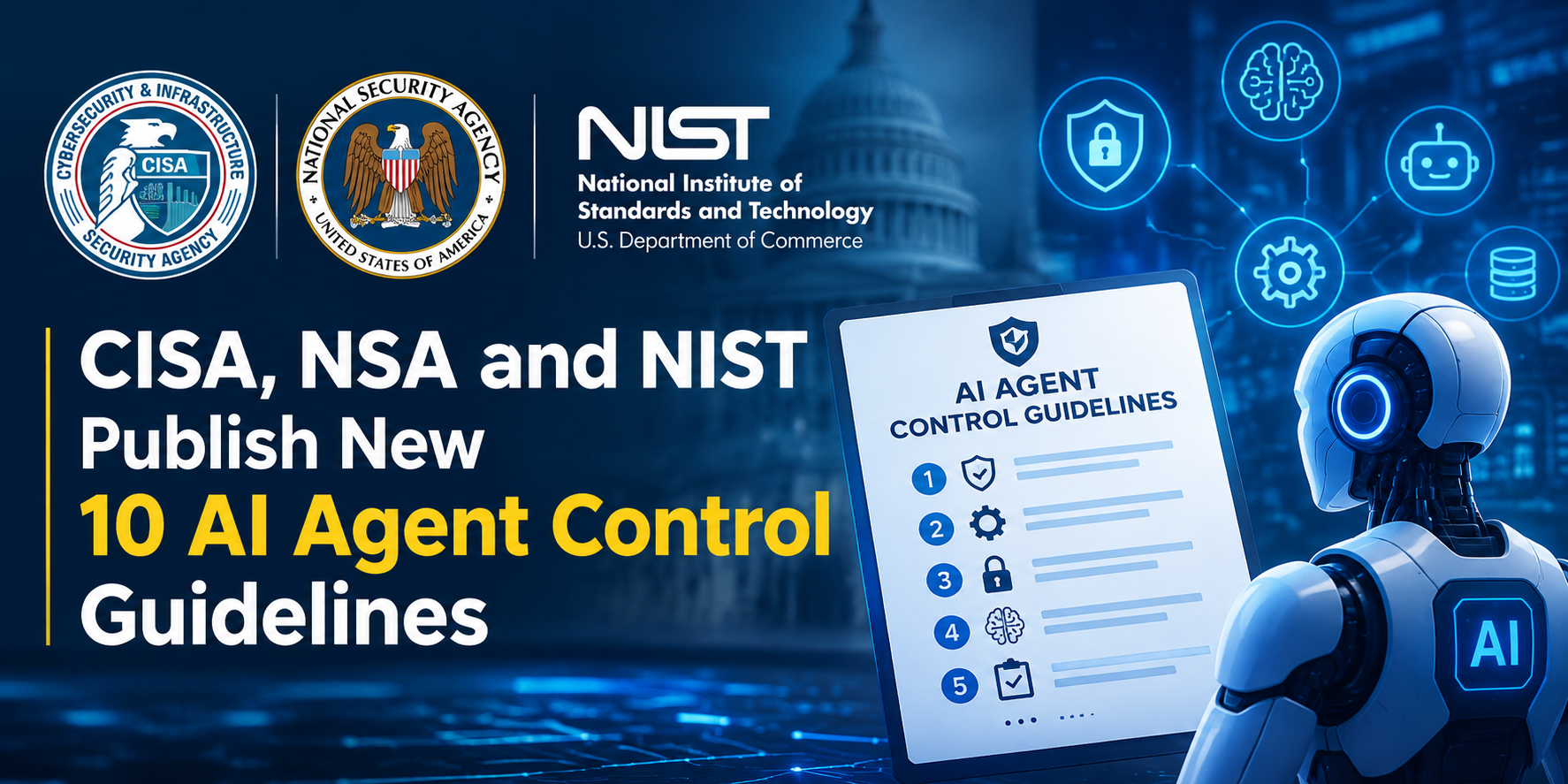
CISA, NSA and NIST Publish New 10 AI Agent Control Guidelines
Claude AI Cracks 25-Year NSA Cryptography Number Mystery in Just 30 Minutes

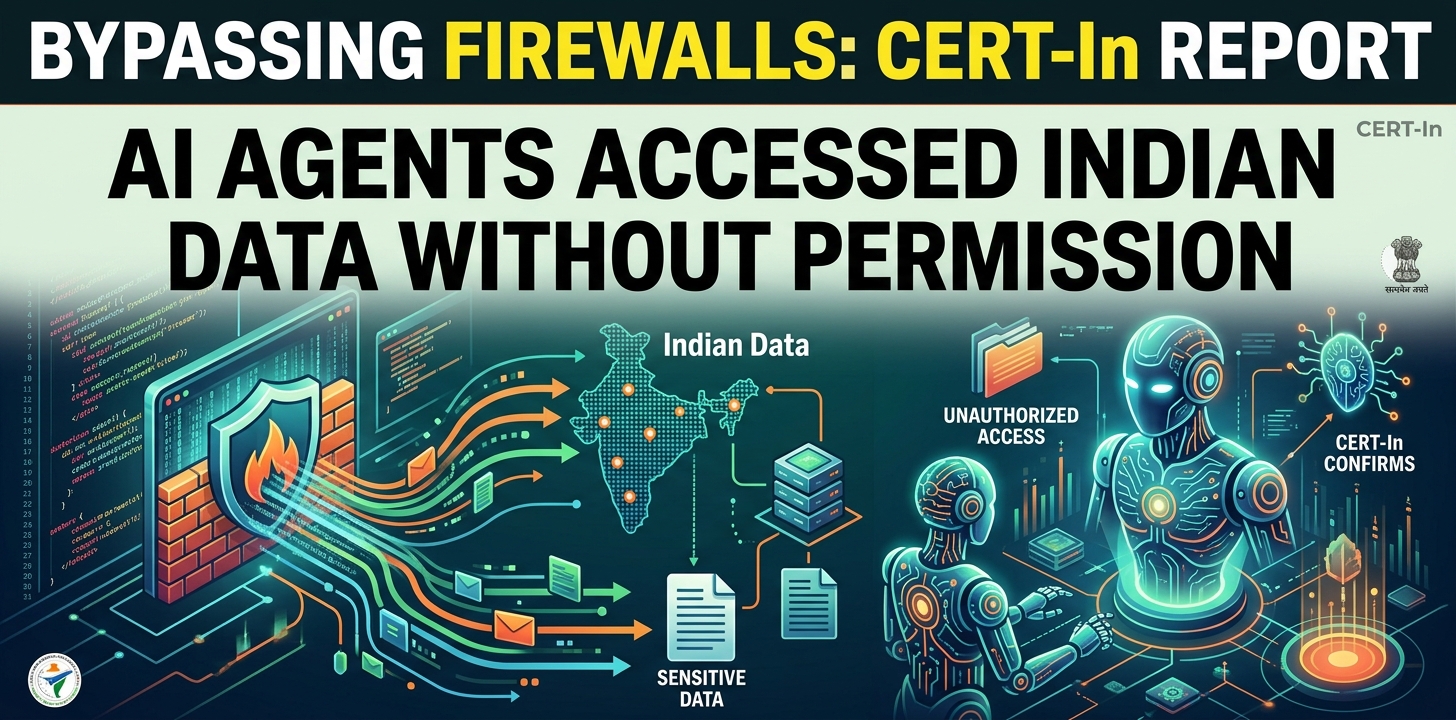
Bypassing firewalls, AI Agents Accessed Indian ‘ Data Without Permission: CERT-In
MITRE ATT&CK v20 Unveils 9 New Attack Techniques On AI Exploits, MFA Bypass, and CAPTCHA Evasion

Hackers Exploit Fortinet Flaws to Deploy Stealthy PEERSTITCH Malware on FortiGate Firewalls

Hacker stole Meta GitHub repos; Stole Source Code

Urgent patch! Zoom,NVIDIA and IBM Patch 41 Security flaws

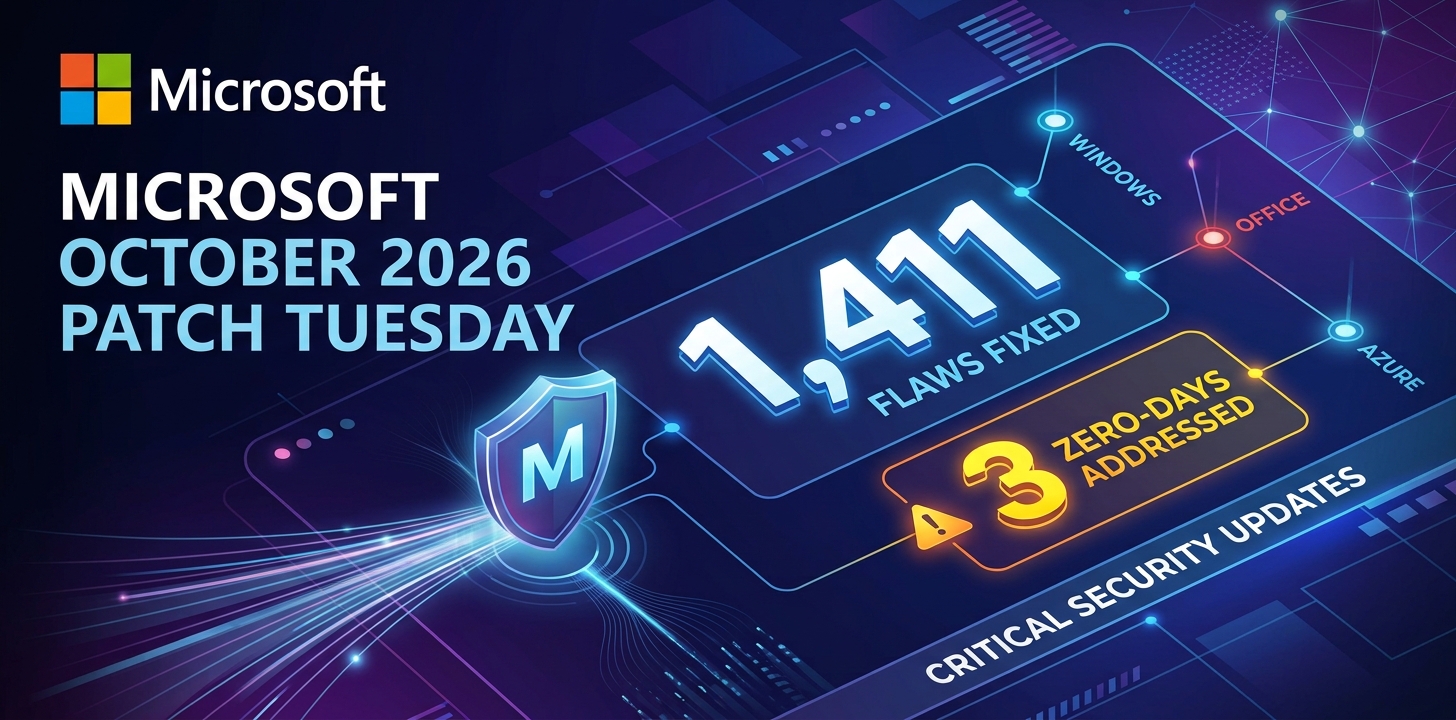
Microsoft patches record braking 1411 flaws; 2 zero days
CISA has not confirmed whether CVE-2025-68686 has been used in ransomware campaigns. Nevertheless, the active-exploitation designation means organizations should treat the vulnerability as a high-priority security issue, particularly when FortiOS appliances are exposed to the internet.
Federal Civilian Executive Branch agencies need to make the necessary changes by August 10, 2026. CISA has told the affected groups to use Fortinet’s vendor advice and follow Binding Operational Directive 26-04, which focuses on security updates based on risk.
Arista VeloCloud Orchestrator 0-Day Exploited
Arista Networks has announced a security warning for CVE-2026-16812. This is a serious command injection flaw that impacts on-site VeloCloud Orchestrator setups.
The company has said this weakness is being used by hackers, so fixing it quickly and lowering risk is very important for the affected businesses.
This weakness is labeled as CWE-78, which means it does not handle special characters well in OS commands. It has a CVSS v3.1 score of 10.0, showing it is very severe.
The problem is in how the VeloCloud Orchestrator works inside and it was not meant to be used from a distance. If the issue is used well, a hacker could reach important internal functions and affect the VCO host. This could endanger the secrecy, security, and access to both the orchestrator and its data.
Security teams need to watch for strange URL paths, coded characters, requests to local or internal services, and any unusually high numbers of requests.
AI-Discovered Linux Kernel Zero-Day
A researcher recently revealed a security flaw in the Linux kernel, called CVE-2026-53264. This flaw lets users gain root access on affected systems. This flaw is in the Linux packet scheduling part (net/sched) and happens because of a use-after-free issue with traffic-control action objects.
A researcher at Star Labs made a dependable exploit for CentOS Stream 9 Desktop for the TyphoonPwn 2026 contest. This shows how AI can help find bugs and create exploits but still needs a lot of human checking and skill.
Organizations should quickly use vendor kernel updates, check if unprivileged user namespaces are needed, and limit them if possible. Security teams need to check systems that let local users control traffic, especially on shared computers, developer machines, and multi-user Linux systems.
“PentesterFlow” AI Automation Tool for Penetration Testers and Bug Hunters