InfoSecBulletin Cybersecurity for mankind
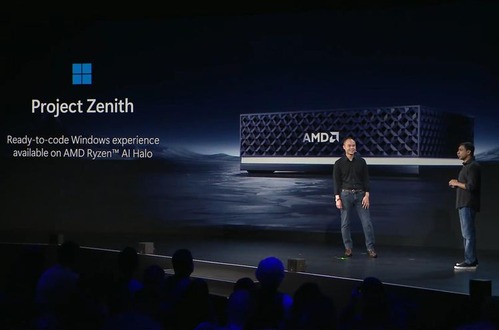
Microsoft has launched Project Zenith, a new Windows 11 experience for developers. It is made for powerful PCs that can run large AI models on their own. This shows a big change from using the cloud for AI development.
Project Zenith was announced to follow up on promises made at Build 2026. It aims at developer-level hardware that has at least 64 GB of shared memory and memory speed over 250 GB each second.
Hackers Exploit Fortinet Flaws to Deploy Stealthy PEERSTITCH Malware on FortiGate Firewalls

Hacker stole Meta GitHub repos; Stole Source Code

Urgent patch! Zoom,NVIDIA and IBM Patch 41 Security flaws

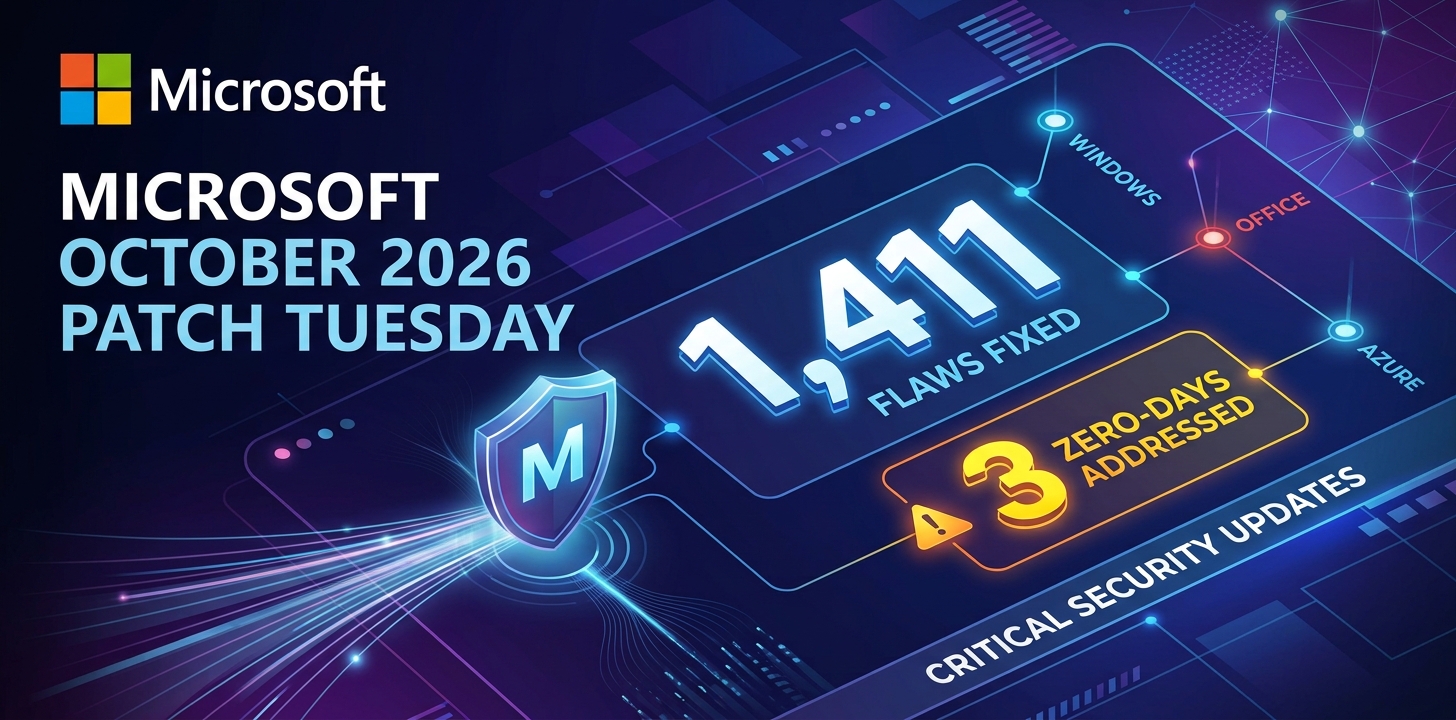
Microsoft patches record braking 1411 flaws; 2 zero days
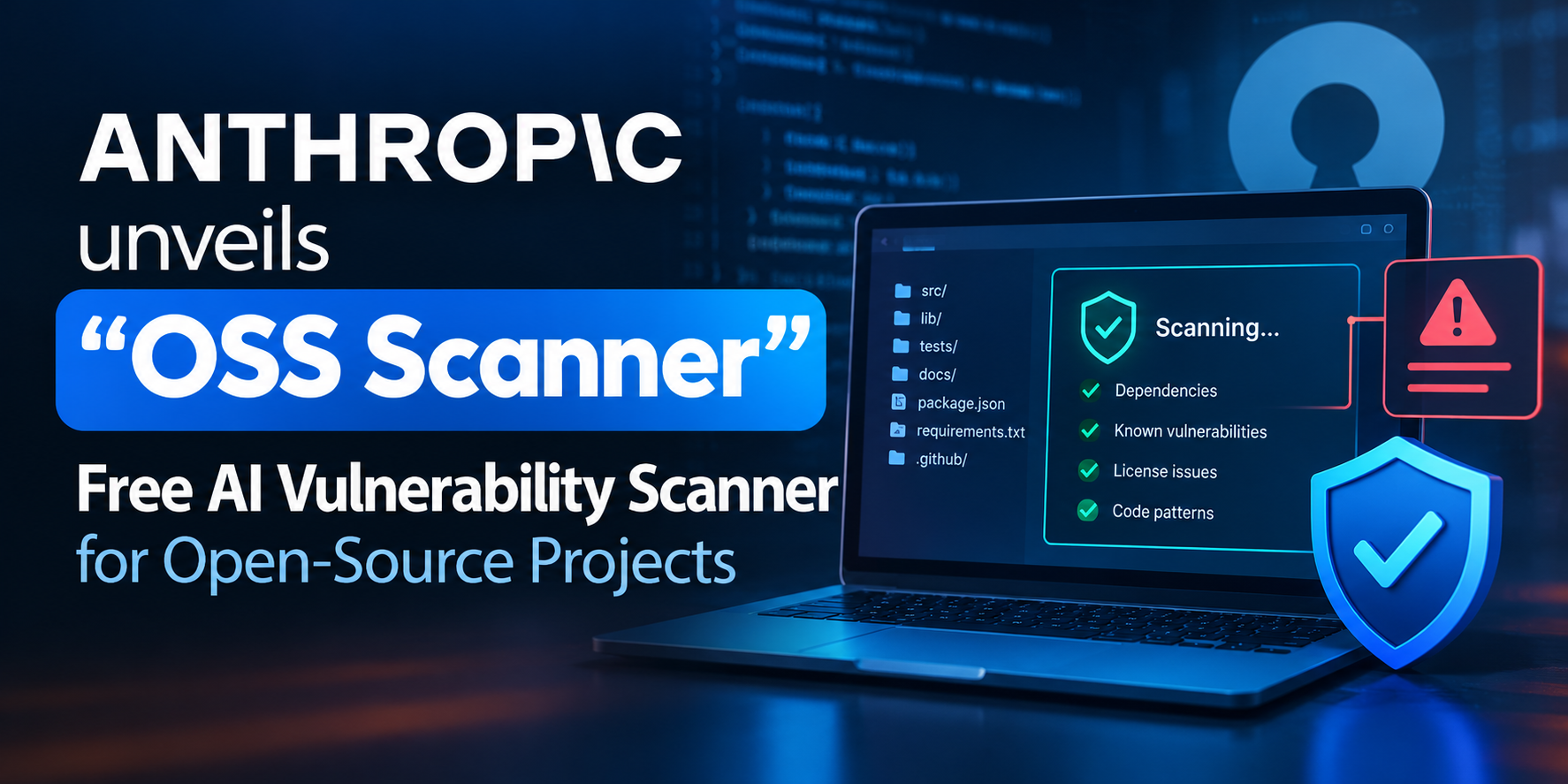
Anthropic unveils “OSS Scanner” Free AI Vulnerability Scanner for Open-Source Projects
Rise on RCE Exploits Targeting Hikvision Camera Flaw

FortiBleed Attack Compromised 80,000+ Devices, SonicWall Patches 4 SMA1000 Flaws CVSS 10

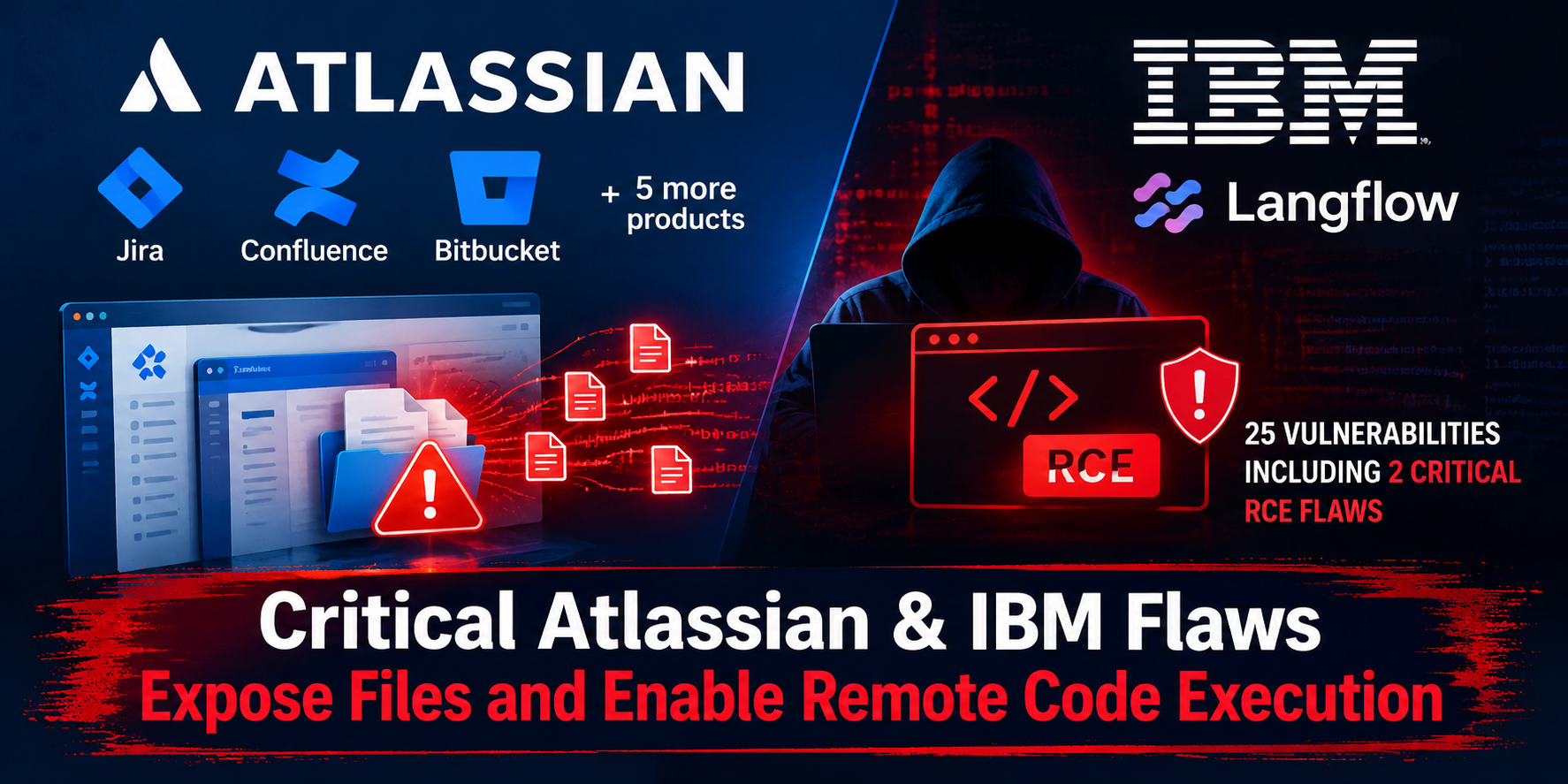
Critical Atlassian & IBM Flaws Expose Files and Enable Remote Code Execution
Citrix NetScaler SAML 0-Day Flaw Under Attack

Major Danish university breached, 200,000 users at risk

That hardware setup lets developers run AI models with over 30 billion parameters on their machines without tracking usage. This cuts down on the need for cloud tokens during testing and coding.
The first devices for Project Zenith will come with AMD’s Ryzen AI Halo platform. More partners are likely to join soon.
Project Zenith is not a separate product. It is a pre-made Windows setup that includes improvements Microsoft has been making to Windows 11 all year. These updates improve Search, File Explorer, and how the system uses memory. Devices with Project Zenith get these performance boosts along with a focus on development right from the start.
That setup has Windows Terminal and Visual Studio Code on the taskbar by default. It also has adjusted settings for File Explorer, Search, Start, and the taskbar.
File Explorer comes with file types, hidden files, full title-bar paths, and support for long paths turned on. It has no distractions like recent file suggestions or sync prompts. Search and Start have the Command Palette on and reduce notification clutter, creating what Microsoft calls a calmer, distraction-free workspace.
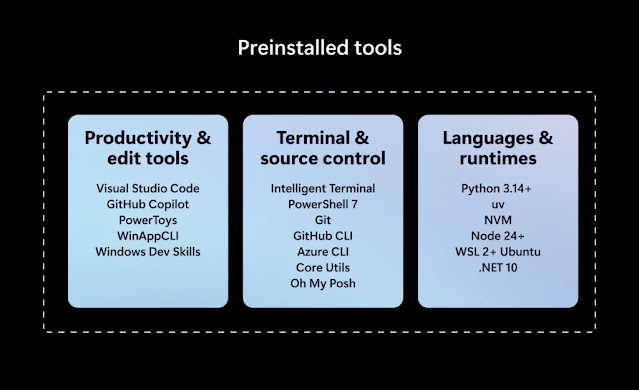
Windows Subsystem for Linux is also important in this plan. After last year’s open-sourcing of WSL, Microsoft added WSL containers. This allows developers to build, run, and manage Linux containers directly in Windows.
Project Zenith devices are made for security and platform design. They support agent-based development tasks with Microsoft’s Execution Containers (MXC). These containers mix OS identity controls with a secure space and strong management for AI agents.
Microsoft sees this as important groundwork for a time when self-operating agents write, test, and run code more often. They argue that a safe and separate base is needed before we can trust these agents in large professional settings.
Microsoft describes the plan as a change in how AI development works. It moves smart models to local machines for simple tasks. More complex problems will still use cloud models.
The company says Project Zenith is an evolving effort shaped directly by developer feedback, with hardware variety expected across OEM partners even as the core “ready-to-code” promise stays consistent.