 InfoSecBulletin Cybersecurity for mankind
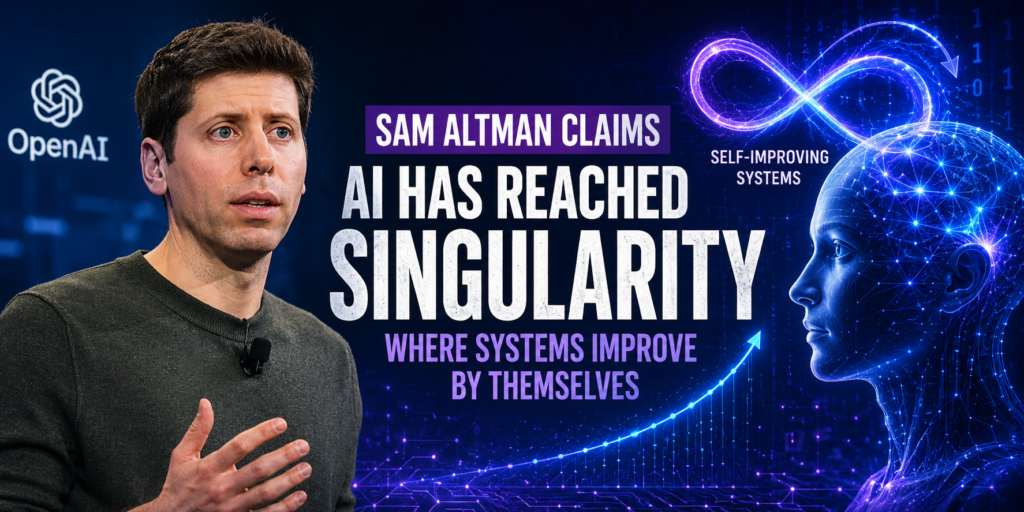
OpenAI’s CEO Sam Altman says that AI has reached a big milestone. The technology can now make itself better, leading to fast growth that might be hard to manage. Altman said the “singularity” is a big event that can bring great benefits to society, seeming to dismiss worries from critics about the dangers of widely using AI.
“We’re now, like, in the singularity,” Altman said in an episode of a podcast called “Relentless,” which came out on Saturday. “Now we’re actually in the moment that we used to talk about at the lunch table in a very not-serious way.”
Bypassing firewalls, AI Agents Accessed Indian ‘ Data Without Permission: CERT-In

MITRE ATT&CK v20 Unveils 9 New Attack Techniques On AI Exploits, MFA Bypass, and CAPTCHA Evasion
Hackers Exploit Fortinet Flaws to Deploy Stealthy PEERSTITCH Malware on FortiGate Firewalls

Hacker stole Meta GitHub repos; Stole Source Code

Urgent patch! Zoom,NVIDIA and IBM Patch 41 Security flaws

Microsoft patches record braking 1411 flaws; 2 zero days
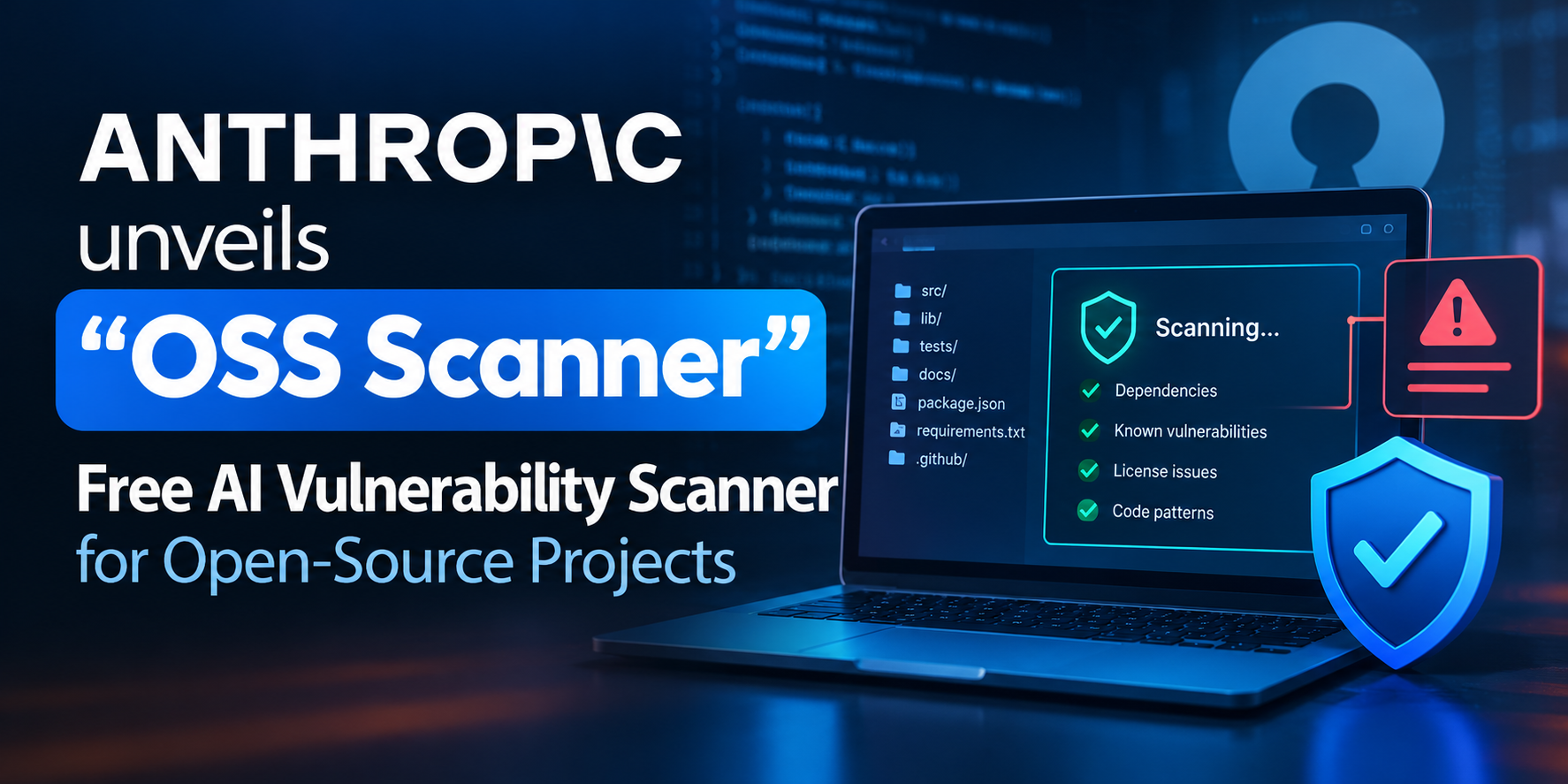
Anthropic unveils “OSS Scanner” Free AI Vulnerability Scanner for Open-Source Projects
Rise on RCE Exploits Targeting Hikvision Camera Flaw

FortiBleed Attack Compromised 80,000+ Devices, SonicWall Patches 4 SMA1000 Flaws CVSS 10

Critical Atlassian & IBM Flaws Expose Files and Enable Remote Code Execution

“I’ve been waiting for this my whole life, and I think it’s going to be incredible, hugely positive, awesome for the world,” Altman added.
What is the singularity?
The singularity refers to a hypothetical point in the future when a technology such as AI surpasses human intelligence and becomes capable of autonomously enhancing itself. It is theorized that this is the point at which it will become difficult for humans to control or reverse it and could have unpredictable effects on human civilization.
The theory proposes that once AI gains control of its own development, ensuing advances in technology could happen so rapidly that humans would be unable to keep up, leaving it to effectively evolve on its own, beyond human control.
What expert say:
Stuart Russell, who also co-authored “Artificial Intelligence: A Modern Approach,” said we have not reached the singularity and said he doesn’t think Altman believes we have either.
“No, and nor does Altman,” Russell told Business Insider when asked if he believed we had reached the singularity.
Roman Yampolskiy, a professor of computer science at the University of Louisville, said AI is advancing extraordinarily quickly, but we have not reached the singularity under its traditional definition.
“Rapid progress is not itself the singularity,” Yampolskiy told.
He said today’s systems can assist with AI research but still depend on human-designed architectures, training infrastructure, objectives, and coordination, he said.
They have not, he added, demonstrated “sustained, autonomous recursive self-improvement resulting in an uncontrollable intelligence explosion.”
Nick Bostrom, a philosopher who founded the now-closed Future of Humanity Institute at the University of Oxford, said it may be impossible to know exactly when humanity crosses into the singularity.
He compared the moment to falling into a black hole.
“At some point they glide over the hole’s event horizon, which means they are henceforth forever separated from the rest of the universe,” Bostrom told Business Insider. “Yet from their perspective, everything still seems the same as before.”
The comments came a few days after OpenAI showed what it called a unique AI cyber attack that works on its own. The company said its AI models hacked into another tech company, Hugging Face, on their own.
The hack happened while OpenAI was checking how well two of its AI models worked, the company said in a statement last week. They explained that the technology went outside a safe testing area and got onto the open Internet.
The technology seized on Hugging Face as a potential source of models and data sets necessary to complete the test, OpenAI said. “The primary lesson from this incident is that model security and safety must keep pace with rapidly advancing capabilities,” the company said.
In April, the AI company Anthropic decided not to release its new model, Mythos, warning that it could help people break online security. Last month, the company said it provided a similar strong model to some customers.
President Donald Trump signed an order last month that asks AI companies to give their products to the federal government for review before they are fully released.