 InfoSecBulletin Cybersecurity for mankind
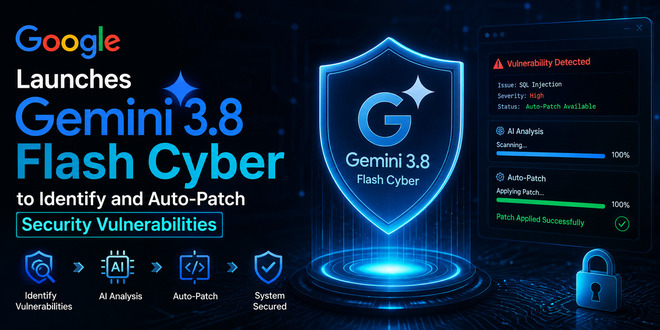
Google has launched Gemini 3.8, its newest model for reasoning and coding. It includes a special version named Gemini 3.8 Flash Cyber that is designed to find software problems on its own and create patches for them.
The release comes only three weeks after Gemini 3.7 Flash. This is Google’s third Flash launch in six weeks. Both new models use the same basic design but are adjusted for different uses.
Hackers Exploit Fortinet Flaws to Deploy Stealthy PEERSTITCH Malware on FortiGate Firewalls

Hacker stole Meta GitHub repos; Stole Source Code

Urgent patch! Zoom,NVIDIA and IBM Patch 41 Security flaws

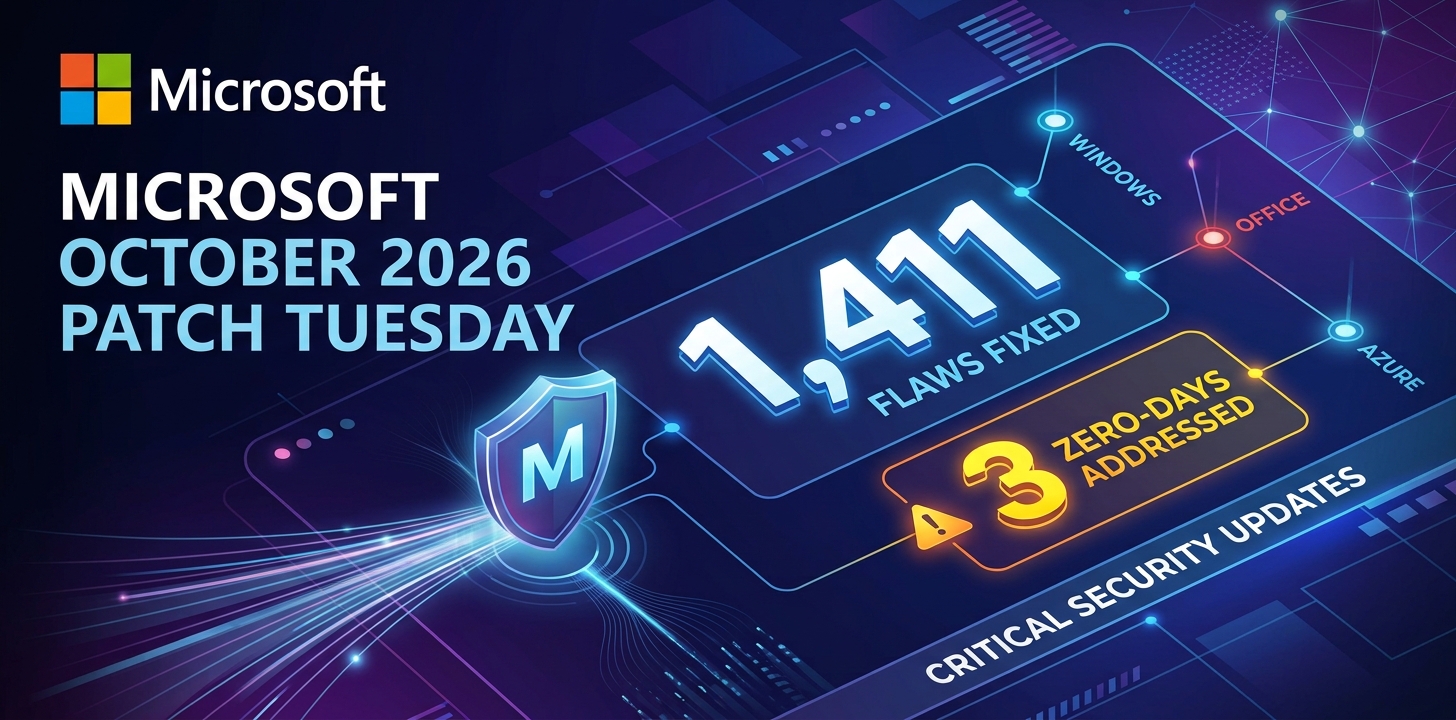
Microsoft patches record braking 1411 flaws; 2 zero days
Anthropic unveils “OSS Scanner” Free AI Vulnerability Scanner for Open-Source Projects

Rise on RCE Exploits Targeting Hikvision Camera Flaw

FortiBleed Attack Compromised 80,000+ Devices, SonicWall Patches 4 SMA1000 Flaws CVSS 10

Critical Atlassian & IBM Flaws Expose Files and Enable Remote Code Execution

Citrix NetScaler SAML 0-Day Flaw Under Attack

Major Danish university breached, 200,000 users at risk

Google Launches Gemini 3.8 Flash Cyber
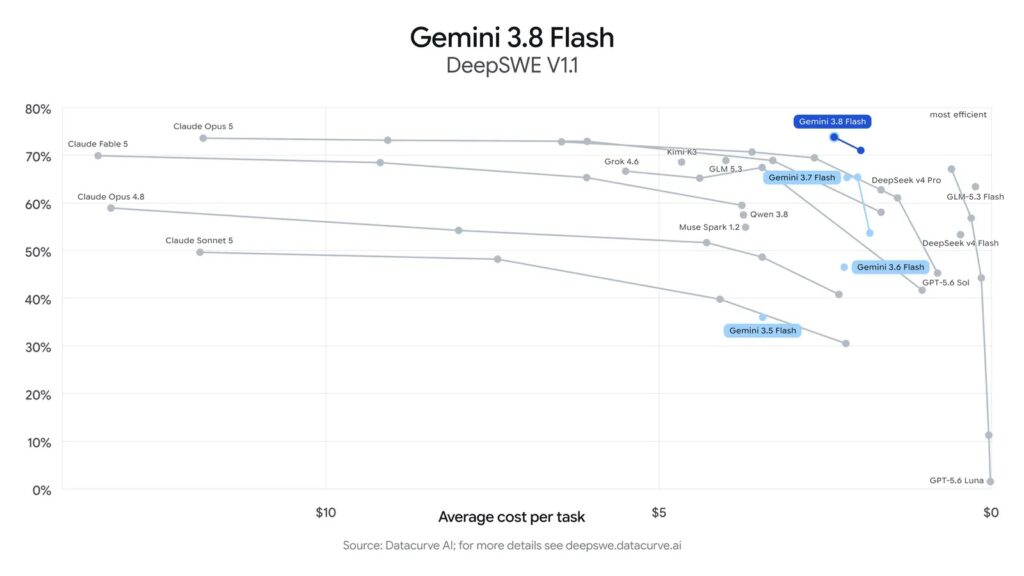
The general-purpose Gemini 3.8 Flash is designed for long-term software tasks and intelligent workloads. It provides real improvements over 3.7 Flash while keeping the same low prices of $0.75 for every million input tokens and $3.75 for every million output tokens.
On the DeepSWE v1.1 test for difficult engineering jobs, it is said to do better than many bigger models for much less money, and it gets a score of 54.9% on HLE-Verified, showing good multi-step thinking in technical and work areas.
Google says these improvements are because the model is ready to think more and use tools repeatedly when solving tough problems, but this can use more tokens when more effort is needed.
The cybersecurity-focused Gemini 3.8 Flash Cyber is only available to approved security teams through Google’s new Fairwind Program, as stated in Google’s research paper, showing how sensitive the model is for finding weaknesses that can be exploited.
On CyberGym, a popular tool for finding flaws, the model is said to do better than the old version, 3.5 Flash Cyber, and much bigger rival systems.
Google tested the model using an internal measure that included twenty programming languages, not just the C/C++ of CyberGym. It reached a success rate over 70%, which is a big improvement from earlier versions.
Google says it focused on fixing security issues instead of highlighting ways to exploit them from the start.
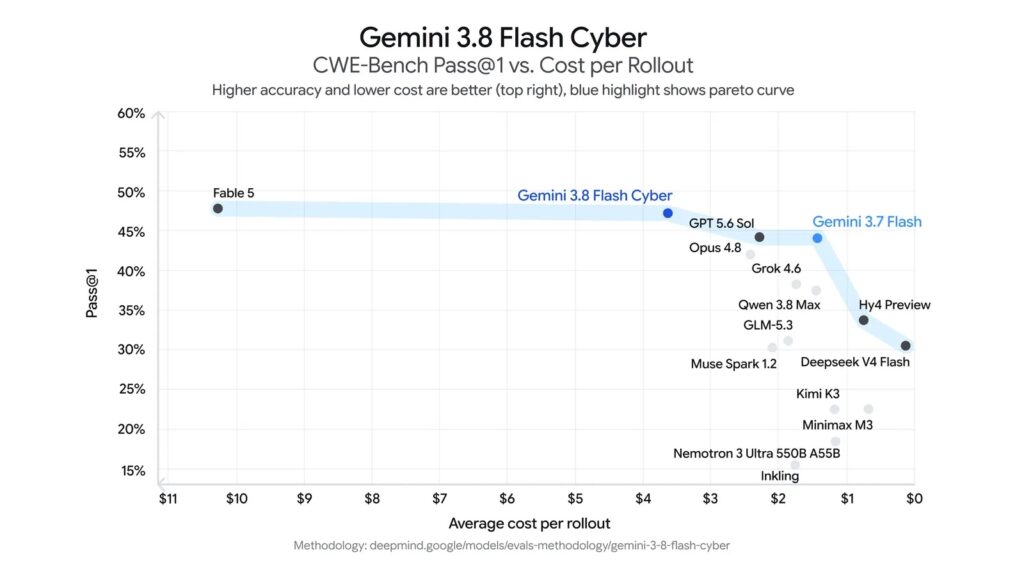
On CWE-Bench, a test for automated fixes done by Collinear, Gemini 3.8 Flash Cyber scored 47.2% pass@1, which is close to a top model’s 47.8% score, but at a much lower cost.
Google says the model is protecting its own code. The Chrome Security team found it created 2.6 times more correct fixes for security issues compared to bigger companies. Meanwhile, security firm Wiz noted that it achieved 7.5 to 9.7 percent better recall in internal testing, at a cost 2 to 5 times lower.
In one impressive case, Google’s Cloud Vulnerability Research team found a major problem in less than two hours. This kind of discovery usually takes months of hard work.
By combining independent thinking with specific cybersecurity training, Gemini 3.8 Flash Cyber shows Google’s effort to help defenders have an advantage against attackers, even though access is still only for trusted program members for now.