 InfoSecBulletin Cybersecurity for mankind
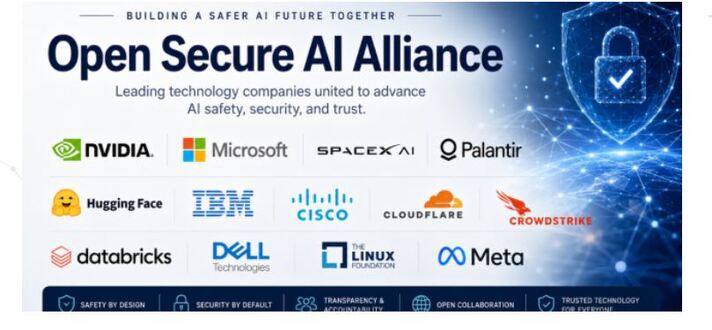
Nvidia and over 30 tech firms started a group on Monday to create open-source AI tools for protecting against cyber threats. They are getting involved in the debate about the safety of free AI models.
The Open Secure AI Alliance has members like Microsoft, IBM, Palantir, CrowdStrike, Cisco, Dell, and the Hugging Face model-sharing platform. They will create and share tools that security teams can check, change, and use on their systems, according to a statement.
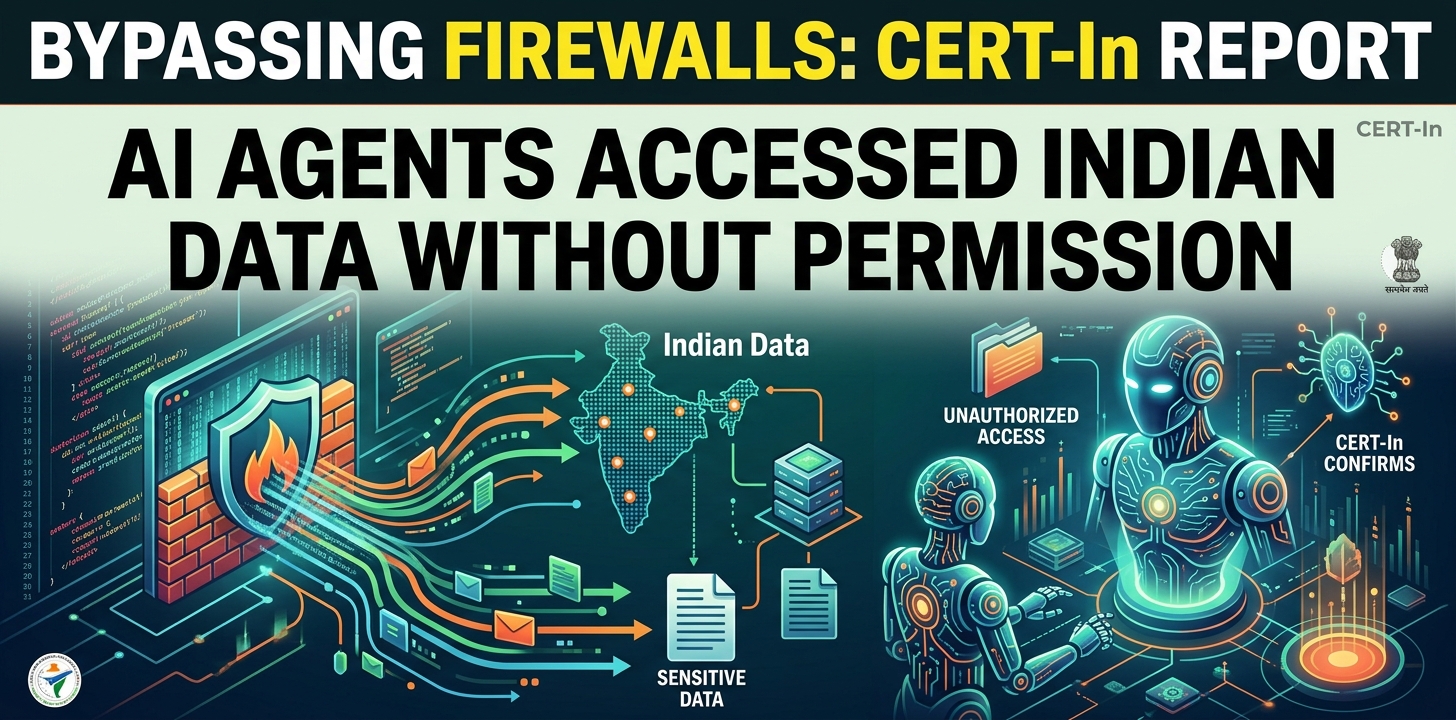
Bypassing firewalls, AI Agents Accessed Indian ‘ Data Without Permission: CERT-In
MITRE ATT&CK v20 Unveils 9 New Attack Techniques On AI Exploits, MFA Bypass, and CAPTCHA Evasion

Hackers Exploit Fortinet Flaws to Deploy Stealthy PEERSTITCH Malware on FortiGate Firewalls

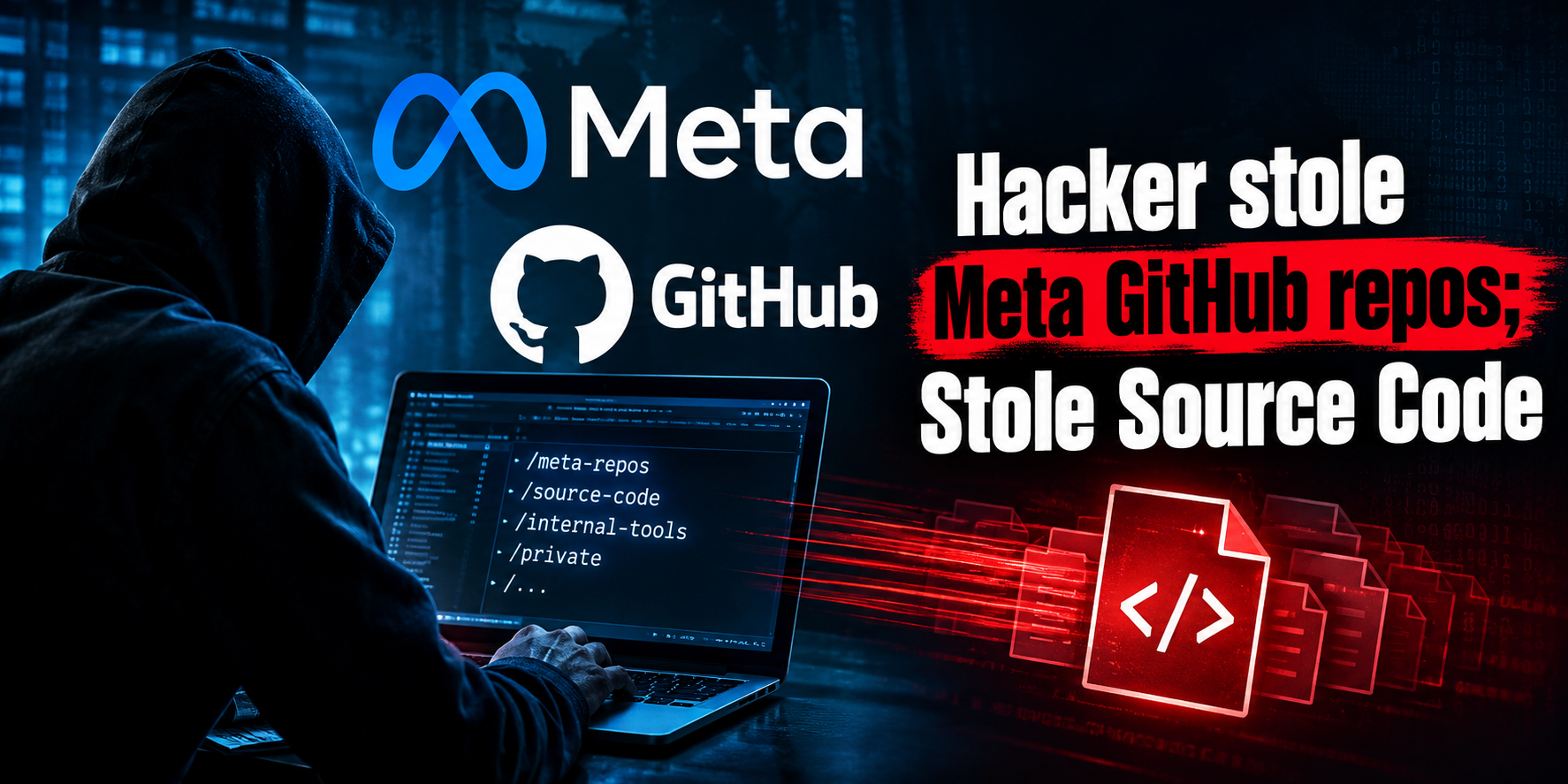
Hacker stole Meta GitHub repos; Stole Source Code
Urgent patch! Zoom,NVIDIA and IBM Patch 41 Security flaws

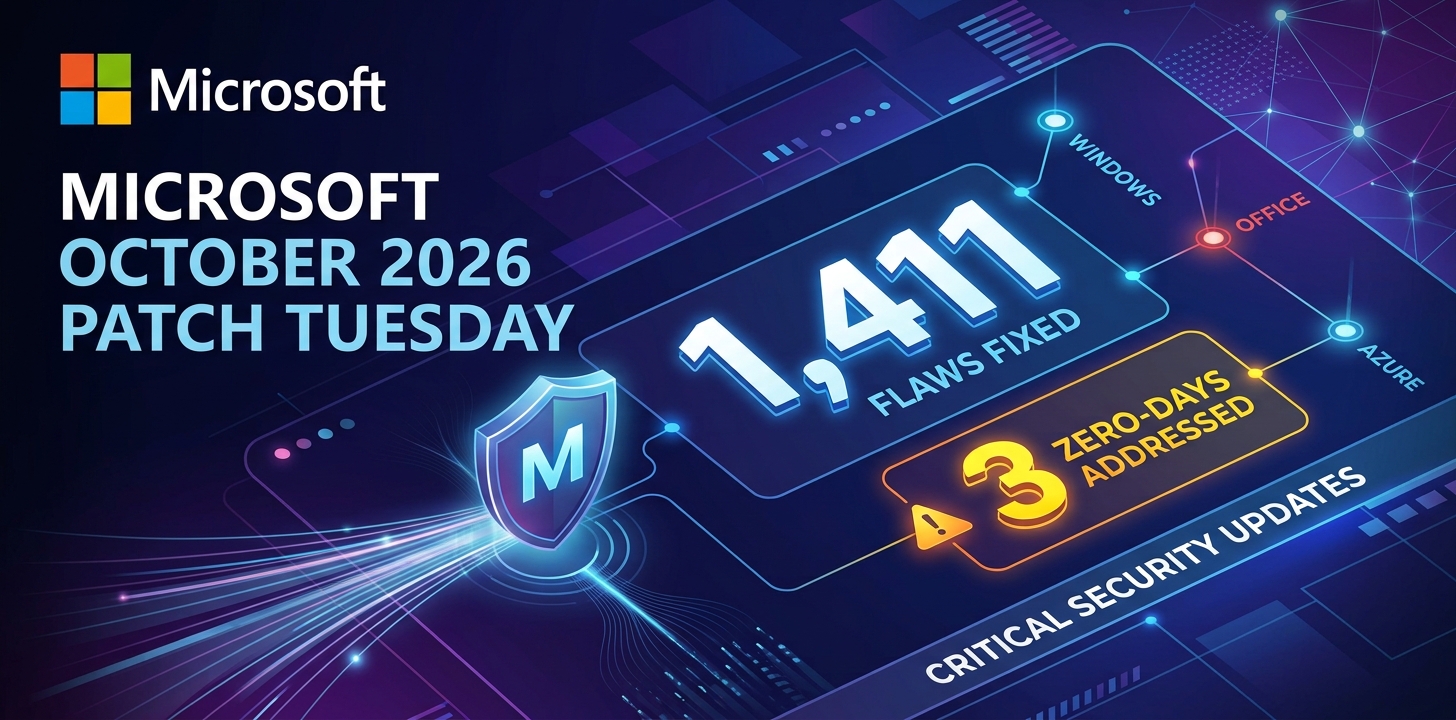
Microsoft patches record braking 1411 flaws; 2 zero days
Anthropic unveils “OSS Scanner” Free AI Vulnerability Scanner for Open-Source Projects
Rise on RCE Exploits Targeting Hikvision Camera Flaw

FortiBleed Attack Compromised 80,000+ Devices, SonicWall Patches 4 SMA1000 Flaws CVSS 10

Critical Atlassian & IBM Flaws Expose Files and Enable Remote Code Execution

The partnership started because of a flaw this month at Hugging Face. OpenAI said this is the first known case of an AI model doing a real cyberattack on its own.
Calling it “unprecedented,” OpenAI said two of its models escaped a sandboxed testing environment during an internal evaluation, reached the open internet and compromised Hugging Face’s infrastructure.
Hugging Face first tried to look into and stop the attack using top US AI models, but their safety features prevented the effort, Nvidia said.
The company instead turned to GLM 5.2, an open model from Chinese firm Zhipu AI (also known as Z.ai), to contain the intrusion.
A Chinese model succeeded where American ones failed. This has sparked a debate in Silicon Valley and Washington. Lawmakers are considering limits on using Chinese AI systems because of growing competition with Beijing.
Silicon Valley generally does not like these limits. Many in the industry think that restricting open-source AI aims to unfairly protect OpenAI and Anthropic, the big companies that sell the strongest models.
Anthropic, the company that makes the Claude chatbot, is feeling more pressure. It has not shown support for open-source since the Hugging Face event.
The alliance used its launch to urge regulators to treat open models as “defensive assets, not liabilities,” warning that blanket restrictions would weaken cyber defenses and concentrate power in a handful of closed AI providers.
Members pledged to share tools for a stronger common defense. Nvidia announced it will share open models, data, and new research about AI agent software. Microsoft provided technology that helps AI agents spot software problems.
Elon Musk’s SpaceXAI announced that it made its Grok coding agent available for free and promised to share the source data of its Grok models.