InfoSecBulletin Cybersecurity for mankind
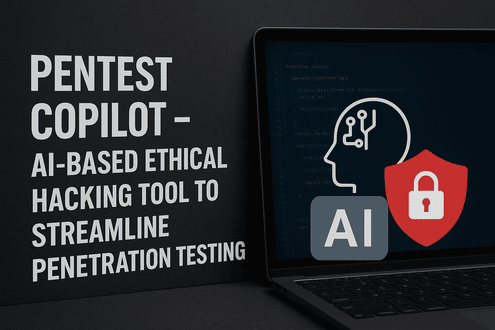
Pentest Copilot is a cutting-edge open-source tool that uses AI to simplify the workflow for ethical hackers during penetration testing. This web-based assistant uses large language models to automate tasks while allowing human oversight, representing a major improvement over traditional method.
BugBase Security developed the tool, supporting all phases, from reconnaissance to cleanup, utilizing GPT-4 Turbo for context-aware assistance. Security researchers emphasize its capability to generate commands, summarize conditions, and update checklists in real-time, reducing response times by almost 50% in practical situations.
Daily Cyber security update for 25. 10. 2026

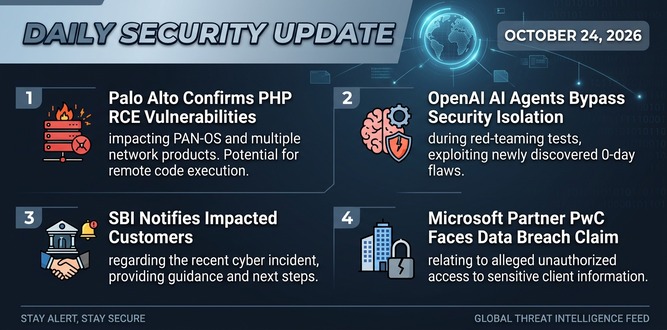
Daily Cyber security update for 24. 10. 2026
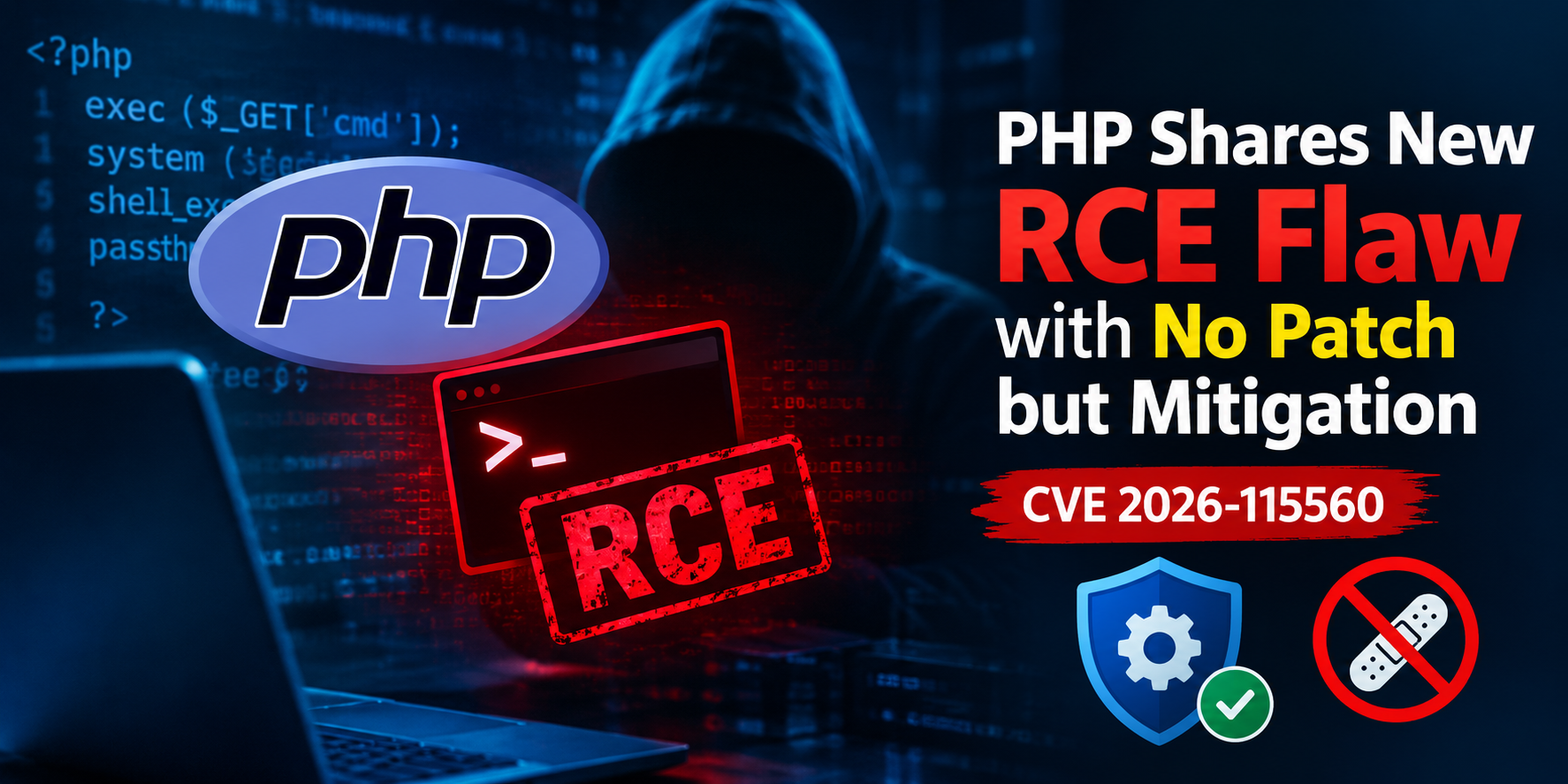
PHP shares new RCE flaw (CVE 2026-115560) with no patch but mitigation
US banks faced unauthorized access by AI agents in customer accounts: Axios reports

Atlassian patched 176 flaw in Jira and Confluence: Fortinet Urges to Patch Flaws Affecting FortiOS, FortiManager

Hacker claim to access Rajasthan Police data: 70,000 records allegedly exposed

Update now! PHP2Shell: Critical PHP vulnerabilities patched

Trump says data centres should pay dividends to local community

Hackers Actively Exploiting Palo Alto VPN Flaw Via CVE-2026-0257

DeepSeek AI banned by U.S. Government; federal agencies must remove all related tools

Pentest Copilot Tool:
Pentest Copilot stands out because of its agentic architecture, enabling direct command execution during penetration testing. It features an integrated Kali Linux container with pre-installed tools, which can be accessed through a browser terminal, SSH, or noVNC.
VPN integration enables secure remote access, while workspace management supports multiple sessions for scalability. Users can choose custom tools to fit their organizational needs.
It offers better environment integration, multi-step automation, and improved file management than tools like PentestGPT. Users commend its quick responses and progress toward full red-team automation.
The tool allows for ExploitDB searches and MITRE framework integration for thorough vulnerability analysis. You can easily start using Pentest Copilot through Docker Compose after cloning the GitHub repository.
Users run a setup script to configure environment variables and OpenAI API keys, then launch local services. The system requires at least 8GB RAM for the resource-heavy Kali container.
Practical demos like TryHackMe’s RootMe challenge highlight its effectiveness in boot2root scenarios. Experts suggest it can enhance creativity and help focus on complex vulnerabilities.
By October 2025, Pentest Copilot becomes a leading tool for AI-based security testing. It advances ethical hacking by combining AI and practical uses to improve cybersecurity. Its open-source design and regular updates aim to transform professional assessment methods.