InfoSecBulletin Cybersecurity for mankind

The US is experiencing record unemployment rates, but despite the big-name layoffs in the headlines, the actual number of new jobs being created is outpacing these big org changes. This comes in large part from the number of companies, in every industry, turning toward digital transformation; which has in turn, led to increasingly large skill gaps, particularly as the oldest of the working generations retires from the job market, taking their job knowledge with them.
“Upskilling right now is probably in higher demand than anything we’ve ever seen,” says Greg Fuller, senior director, tech & dev – content development, at Skillsoft. “Companies are focused on building a skill inventory to backfill a lot of these positions, and they’re taking the time to understand what skills exist within their own ecosystems, so they can see what opportunities there are to upskill and reskill internally before they look externally.”
PHP shares new RCE flaw (CVE 2026-115560) with no patch but mitigation

US banks faced unauthorized access by AI agents in customer accounts: Axios reports

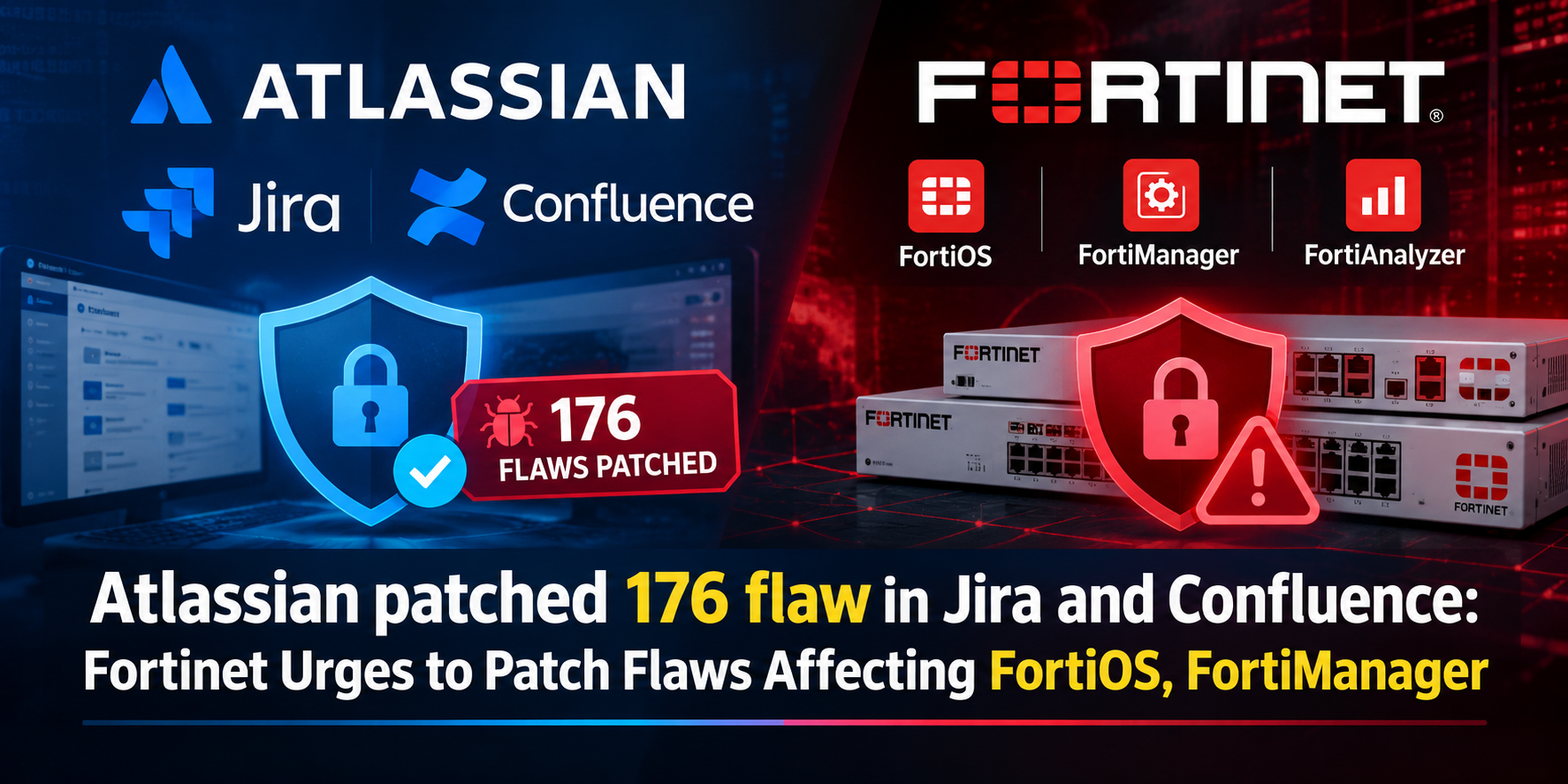
Atlassian patched 176 flaw in Jira and Confluence: Fortinet Urges to Patch Flaws Affecting FortiOS, FortiManager
Hacker claim to access Rajasthan Police data: 70,000 records allegedly exposed

Update now! PHP2Shell: Critical PHP vulnerabilities patched

Trump says data centres should pay dividends to local community

Hackers Actively Exploiting Palo Alto VPN Flaw Via CVE-2026-0257

DeepSeek AI banned by U.S. Government; federal agencies must remove all related tools

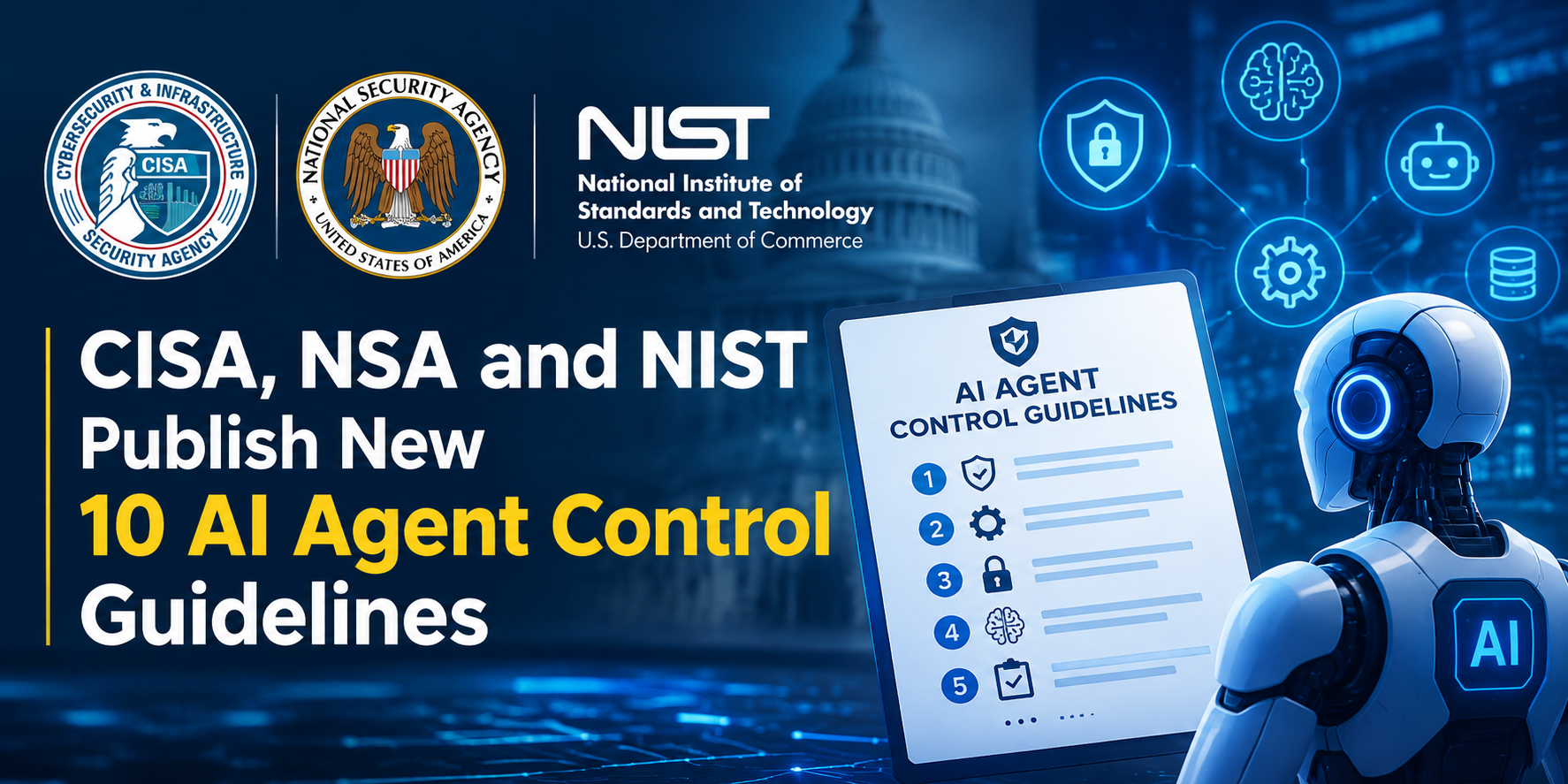
CISA, NSA and NIST Publish New 10 AI Agent Control Guidelines
Claude AI Cracks 25-Year NSA Cryptography Number Mystery in Just 30 Minutes

Upskilling trends and challenges
The biggest trend is upskilling technology literacy for previously non-technical workers, as the number of digital solutions proliferate in workers’ daily lives — cloud-based tools or automation-focused tools, for instance. The other growing gap is in the cloud space. A handful of years ago, companies were putting in a lot of effort to migrate into the cloud. Now the focus is on optimizing, whether that’s bringing in multiple vendors to work with, or managing their own cloud infrastructure.
Mission critical skills, for example, when an organization might be changing from one technology stack to another, or going from traditional on-premises to cloud, or shifting to a multi-cloud infrastructure, require upskilling in the short term. While larger organizational transformations, such as moving from traditional project management practices to agile methodologies can be a four to six month trajectory. Longer-term strategies are also emerging, when organizations, looking at the market and technology transformations that have occurred in the past handful of years, are looking for ways to remediate risk they have, especially from leadership and senior manager standpoints.
Regardless of the role or skills involved, or the length of the program, companies are finding it challenging to scale their internally built upskill programs.
“That’s probably the biggest change that we’ve seen in the last four or five years,” Fuller adds. “It’s not sending 20 or 40 people to upskill. They’re looking to upskill in the hundreds and thousands of learners at a time.”
One of biggest barriers, whether a program is launched at an organizational level or a departmental level, is that record unemployment rates and the need to backfill positions means that internal experts are diverted from their critical day-to-day activities to either build or deliver these programs. It’s certainly possible for one-off activities, but that’s far from scalable or maintainable.
Best practices for upskilling programs
Today reskilling and upskilling is part of an organization’s larger strategy, and first and foremost, it’s crucial to plan and implement it like any business strategy. That means identifying the most critical problems to address – what are your mission critical skills, and where do your gaps lie? From there, it’s considering the key outcomes you’re trying to achieve. It’s also knowing what risks exist if you don’t take up these programs, just like any other project or initiative that the organization takes on. And a lot of thought must be put into implementing upskilling at scale as well.
“It’s easy to solve a problem for one point in time, but you really have to ask, how can this solution be scaled?” Fuller says. “It’s an especially important question when you consider the very mixed composition of organizations today, in which very different personalities and different generations must work side by side.”
And that’s where another critical issue to consider comes in – ensuring that an upskilling program is interesting and achievable for all types of learners. To make that learning journey personal for the individual, as well as effective in helping them move toward their career development goals, takes leveraging multiple styles, multiple modalities, formats and so on.
But what organizations really need to consider is making sure that these upskilling programs are measurable and tangible. A company should be able to measure progress along the way. At every milestone the program should be reassessed to make sure it’s headed in the right direction – and if not, how to retool the strategy to make sure it’s tracking to meet those business objectives. And benchmarks are also key for ensuring that employees are taking training in line with organizational priorities.
Creating a culture of learning, in which employees are all-in on their own reskilling, needs to come from the top, Fuller adds.
“Today, an organization’s reskilling success starts with the leadership,” he explains. “The executive level must make sure the right environment is built at the top, because it feeds down through each level of management, and helps ensure buy-in throughout the company.”