InfoSecBulletin Cybersecurity for mankind

CISA has launched a new malware analysis system called Malware Next-Gen. It allows organizations to submit malware samples and suspicious artifacts for analysis, helping CISA to better support partners by automating analysis of new malware and improving cyber defense efforts.
Network defenders need timely and useful information about malware, including its functionality and purpose, to effectively respond to cyber incidents and threats. Malware Next-Gen offers advanced and dependable malware analysis on a scalable platform that can handle future workloads. This integrated system provides CISA analysts and operations community members with multiple containment capabilities for automatically analyzing potentially harmful files or URLs.
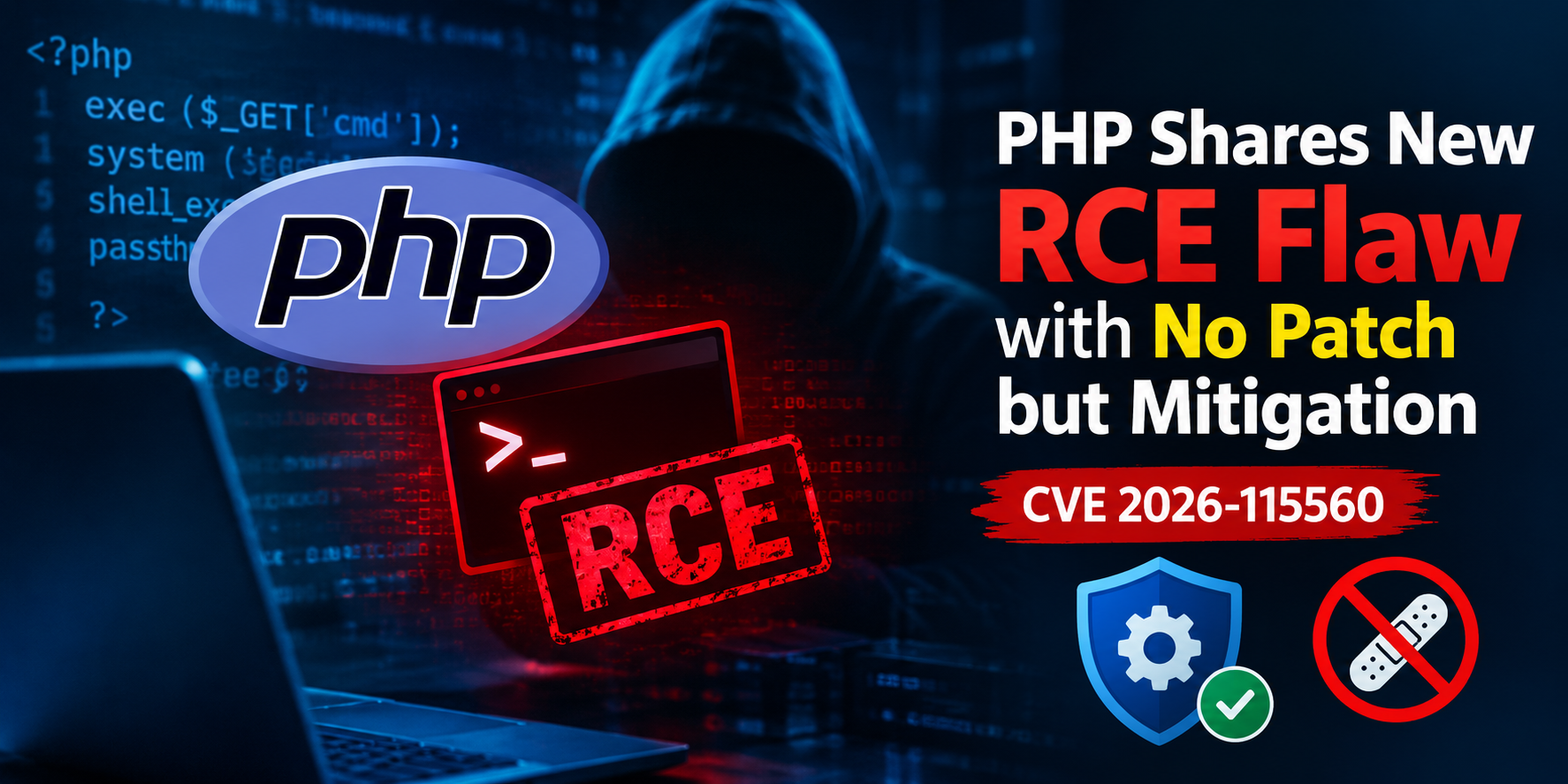
PHP shares new RCE flaw (CVE 2026-115560) with no patch but mitigation
US banks faced unauthorized access by AI agents in customer accounts: Axios reports

Atlassian patched 176 flaw in Jira and Confluence: Fortinet Urges to Patch Flaws Affecting FortiOS, FortiManager

Hacker claim to access Rajasthan Police data: 70,000 records allegedly exposed

Update now! PHP2Shell: Critical PHP vulnerabilities patched

Trump says data centres should pay dividends to local community

Hackers Actively Exploiting Palo Alto VPN Flaw Via CVE-2026-0257

DeepSeek AI banned by U.S. Government; federal agencies must remove all related tools

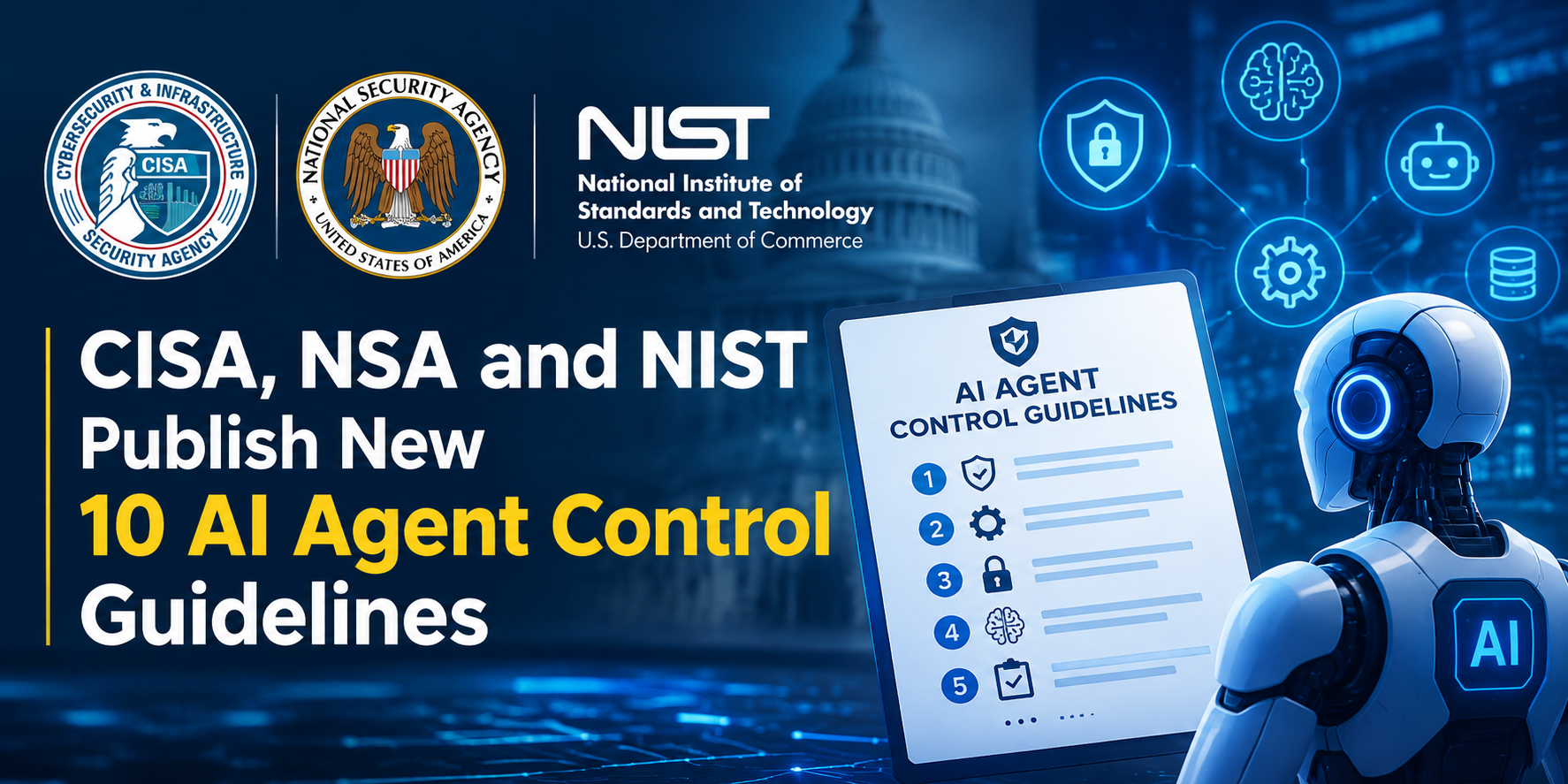
CISA, NSA and NIST Publish New 10 AI Agent Control Guidelines
Claude AI Cracks 25-Year NSA Cryptography Number Mystery in Just 30 Minutes
“Effective and efficient malware analysis helps security professionals detect and prevent malicious software from enabling adversary access to persistence within an organization. Malware Next-Gen is a significant leap forward in CISA’s commitment to enhancing national cybersecurity,” said CISA Executive Assistant Director for Cybersecurity Eric Goldstein. “Our new automated system enables CISA’s cybersecurity threat hunting analysts to better analyze, correlate, enrich data, and share cyber threat insights with partners. It facilitates and supports rapid and effective response to evolving cyber threats, ultimately safeguarding critical systems and infrastructure.”
Malware Next-Gen has been available to .gov and .mil organizations since November. Almost 400 users have submitted over 1,600 files. Around 200 suspicious or malicious files and URLs have been identified, and the information has been shared with partners. The public can submit malware, but only authorized users can receive analytical results.
All organizations, security researchers, and individuals are encouraged to register and submit suspected malware to CISA’s new automated analysis system. For more information, visit: Malware Next-Generation Analysis.