InfoSecBulletin Cybersecurity for mankind
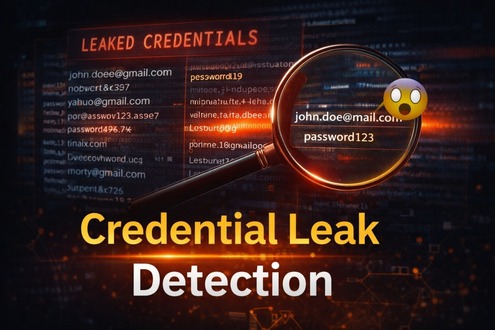
Credential leaks are no longer just single security problems; they are now an ongoing risk that groups need to handle. In 2026, exposure doesn’t wait for news about breaches, rule changes, or public reports. Credentials show up in outside spaces quickly after they are compromised, often passing through several channels before organizations realize they are there.
This change has greatly affected how we see credential risk. Now, exposure isn’t just one event, but it comes from continuous data showing activity in malware networks, black markets, and organized distribution systems. Because of this, companies are not just checking if credentials have been leaked—they are looking at how exposure changes over time and relates to actual operational risk.
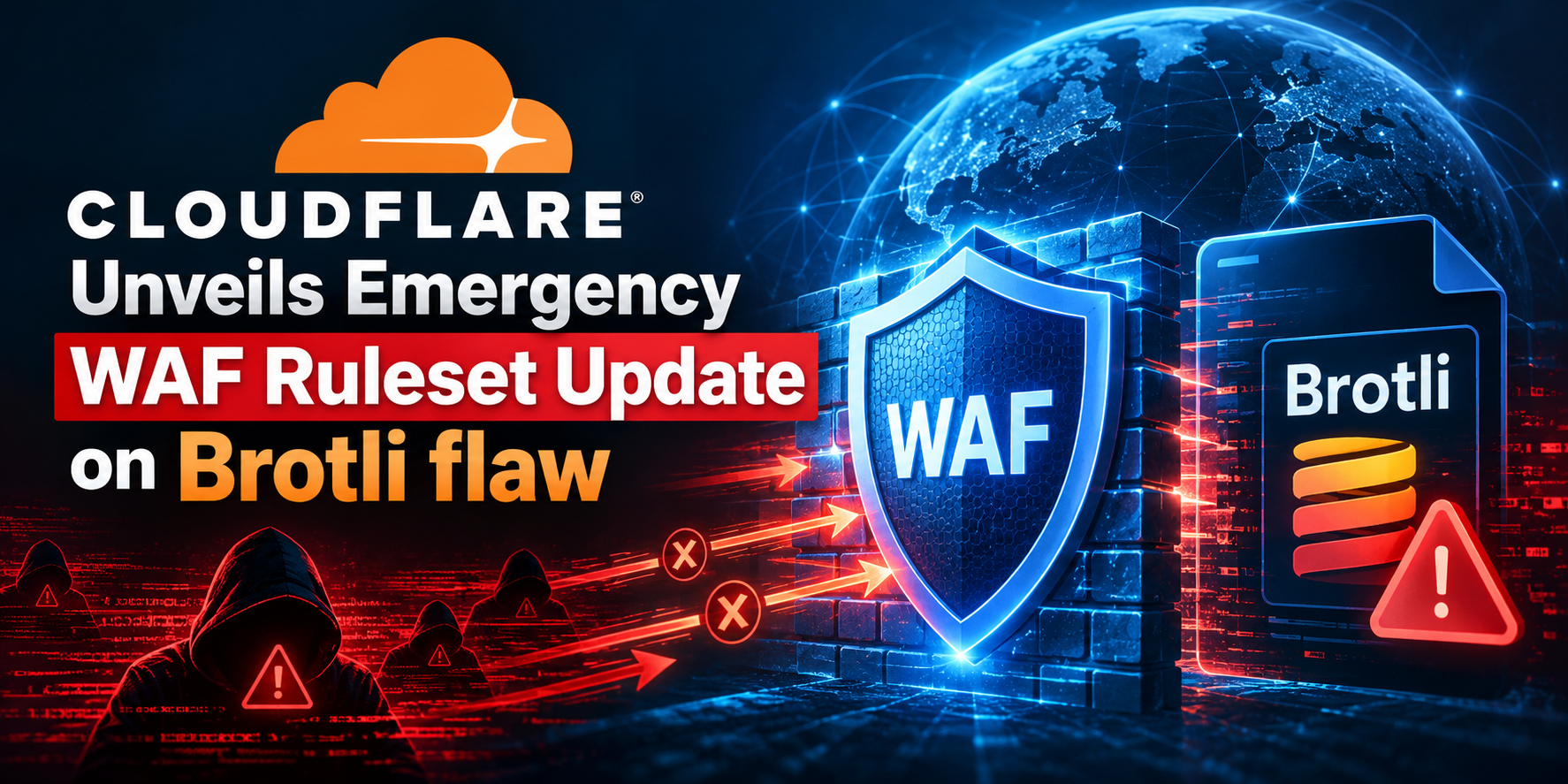
Cloudflare Unveils Emergency WAF Ruleset Update on Brotli flaw
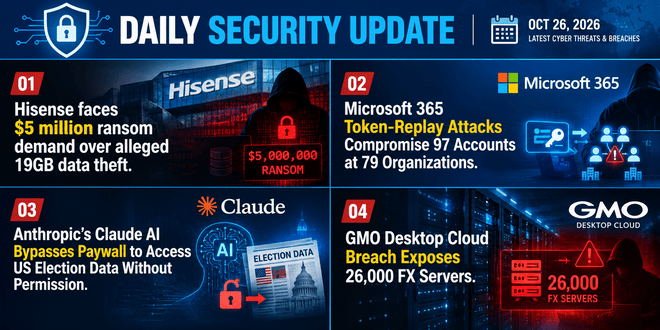
Daily Cyber security update for 26.10. 2026
The Washington Post report
Ex-DOGE AI startup Cathedral Breaches Anthropic Internal Systems within 12 Hours

Daily Cyber security update for 25. 10. 2026

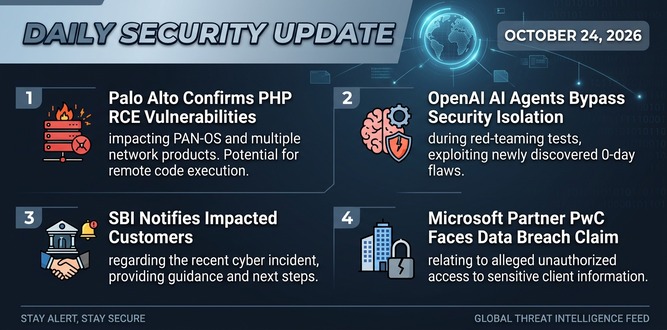
Daily Cyber security update for 24. 10. 2026
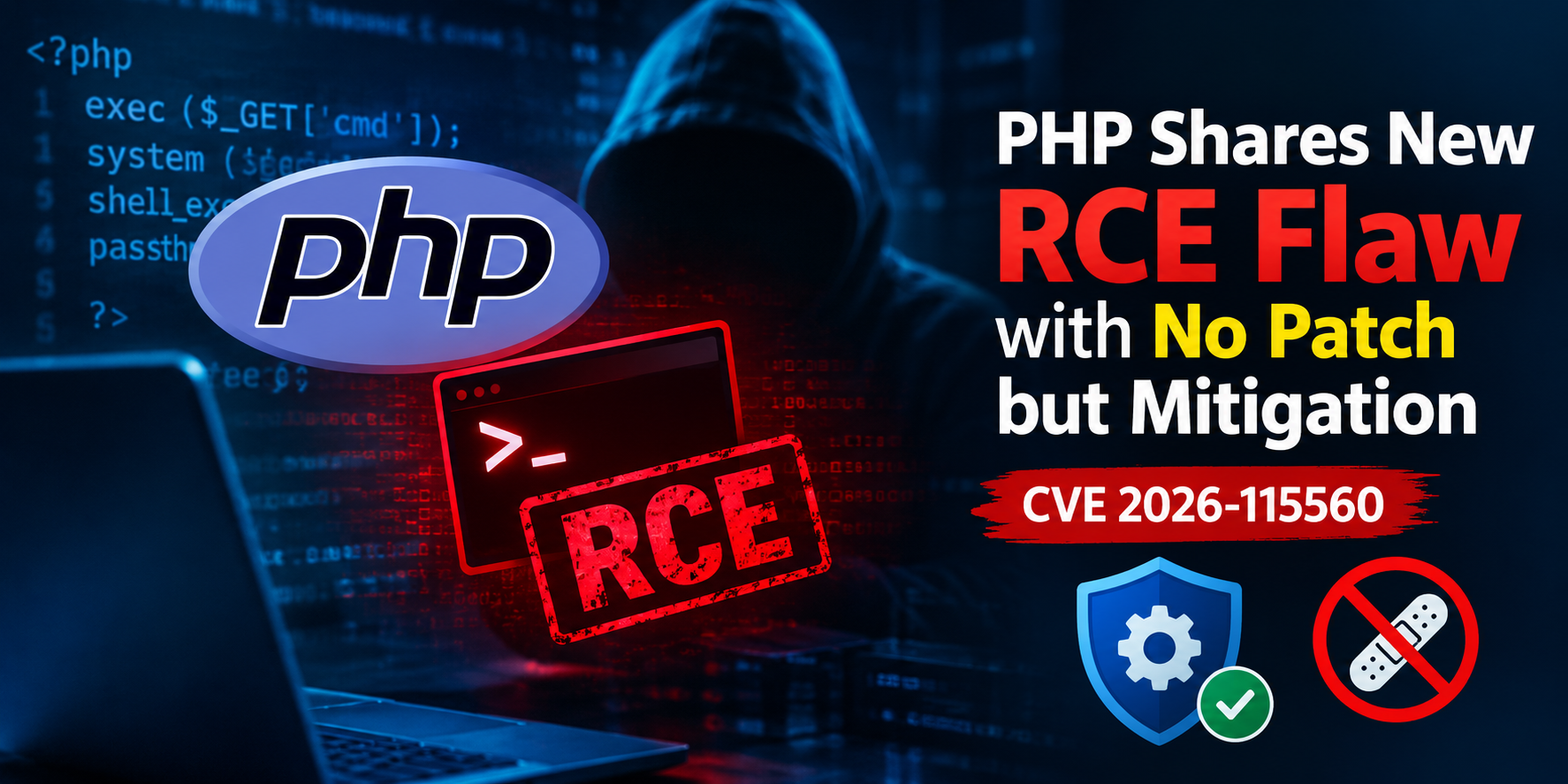
PHP shares new RCE flaw (CVE 2026-115560) with no patch but mitigation
US banks faced unauthorized access by AI agents in customer accounts: Axios reports

Atlassian patched 176 flaw in Jira and Confluence: Fortinet Urges to Patch Flaws Affecting FortiOS, FortiManager

Hacker claim to access Rajasthan Police data: 70,000 records allegedly exposed

Update now! PHP2Shell: Critical PHP vulnerabilities patched

Monitoring services are now very important in this process. They connect outside risks with inside choices, turning mixed signals into clear information. Rather than waiting for slow reports, organizations now use ongoing monitoring to stay aware of their risks.
The services in this article show different ways to watch for credential leaks. Some focus on easy access and seeing domains, while others pay attention to identity context or overall ecosystem coverage. Together, they show how monitoring has become important for handling credential-based risks on a large scale.
At a Glance
Lunar: Real-time domain-level credential leak visibility
KELA: Deep web credential leak intelligence service
ZeroFox: Digital risk and credential leak monitoring
Digital Shadows (ReliaQuest): External exposure monitoring service
Flashpoint: Deep and dark web leak intelligence
Have I Been Pwned: Public breach credential monitoring service
Constella Intelligence: Identity-driven leak monitoring service