InfoSecBulletin Cybersecurity for mankind
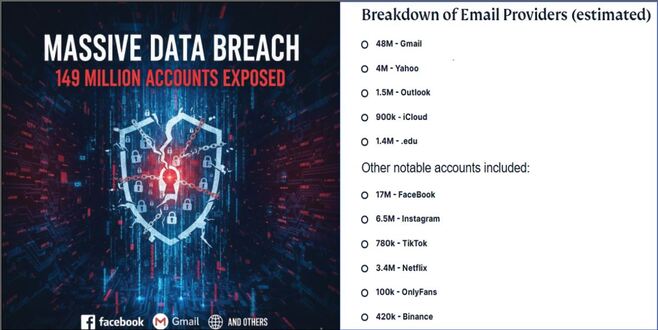
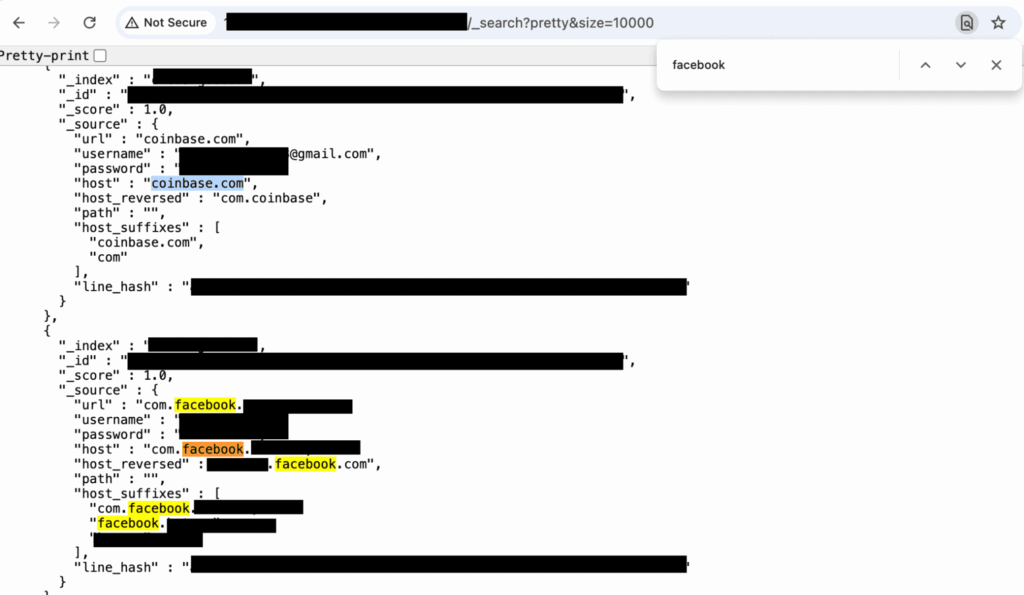
Cybersecurity researcher Jeremiah Fowler discovered a data leak containing 149 million logins and passwords. The database was publicly accessible without password protection or encryption, holding 149,404,754 unique credentials totaling 96 GB.
The leaked records contained usernames and passwords from victims worldwide, covering various online services and accounts. These included social media platforms like Facebook, Instagram, TikTok, and X (formerly Twitter), along with dating sites and OnlyFans accounts for both creators and customers.
Anthropic unveils “OSS Scanner” Free AI Vulnerability Scanner for Open-Source Projects
Rise on RCE Exploits Targeting Hikvision Camera Flaw
FortiBleed Attack Compromised 80,000+ Devices, SonicWall Patches 4 SMA1000 Flaws CVSS 10

Critical Atlassian & IBM Flaws Expose Files and Enable Remote Code Execution

Citrix NetScaler SAML 0-Day Flaw Under Attack
Major Danish university breached, 200,000 users at risk

Microsoft’s X account hijacked to promote Clippy crypto scam

Critical cPanel, GitLab AI Gateway and Dell CSM Flaws Enable RCE And Admin Hijacking

Nearly 100,000 email addresses exposed in first AI-related data breach in Singapore

Hackers Exploit Zimbra Mail Servers: TeamViewer patched 5 critical flaws

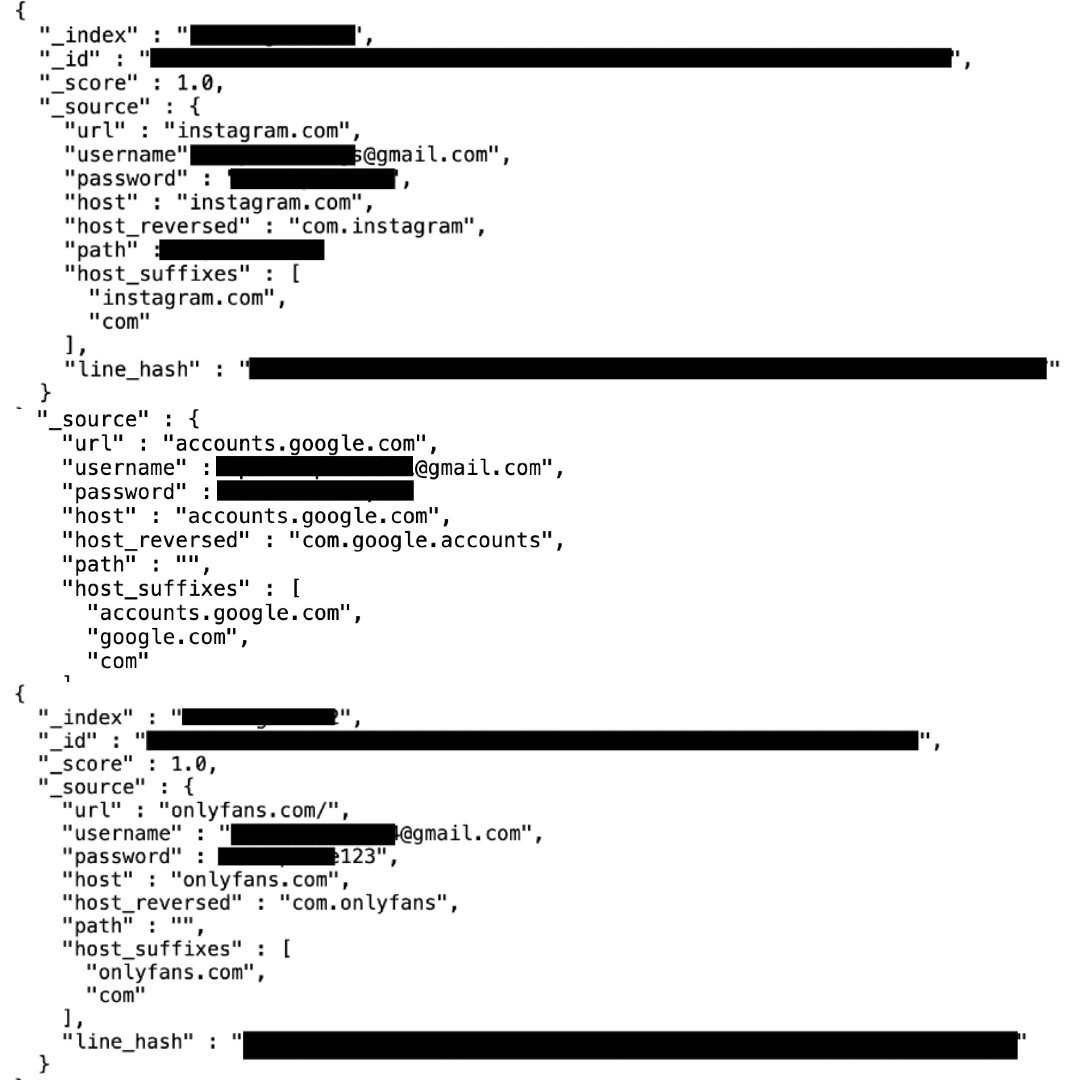
The researcher found many streaming and entertainment accounts like Netflix, HBOmax, DisneyPlus, and Roblox, along with financial services accounts, crypto wallets, and banking logins.
The presence of .gov credentials from various countries raises concerns. Even if not all government accounts provide access to sensitive systems, any access can be risky based on the user’s role. Exposed government credentials can lead to spear-phishing, impersonation, or unauthorized entry into networks, posing national security and public safety threats.
The dataset is now inaccessible after multiple attempts. The hosting provider refused to provide details about the database management, leaving it unclear if it was linked to criminal activity or legitimate research, or why it was publicly exposed.
Potential Risks of Exposed Credentials:
The leak of many unique logins and passwords poses a serious security threat. Criminals could automate attacks using this data, targeting accounts across emails, financial services, social networks, and businesses.
How to Protect Your Accounts, Credentials, and Privacy:
The researcher suggested updating the operating system and security software (if installed). If you don’t have security software, install it and scan the device to remove anything that is identified as malicious or flagged as suspicious.