InfoSecBulletin Cybersecurity for mankind

Oracle has fixed over 1,400 security holes in its July 2026 Critical Patch Update (CPU). Most of these flaws were probably found by artificial intelligence. According to Oracle, the latest quarterly CPU includes 1,449 security patches, addressing 1,434 unique CVEs across 334 products.
Vulnerabilities have been fixed in products like Database Server, APEX, Autonomous Health Framework, Essbase, Global Lifecycle Management, GoldenGate, NoSQL Database, Spatial Studio, SQL Developer, TimesTen In-Memory Database, Application Testing Suite, Commerce, Communications, Construction and Engineering, and E-Business Suite.
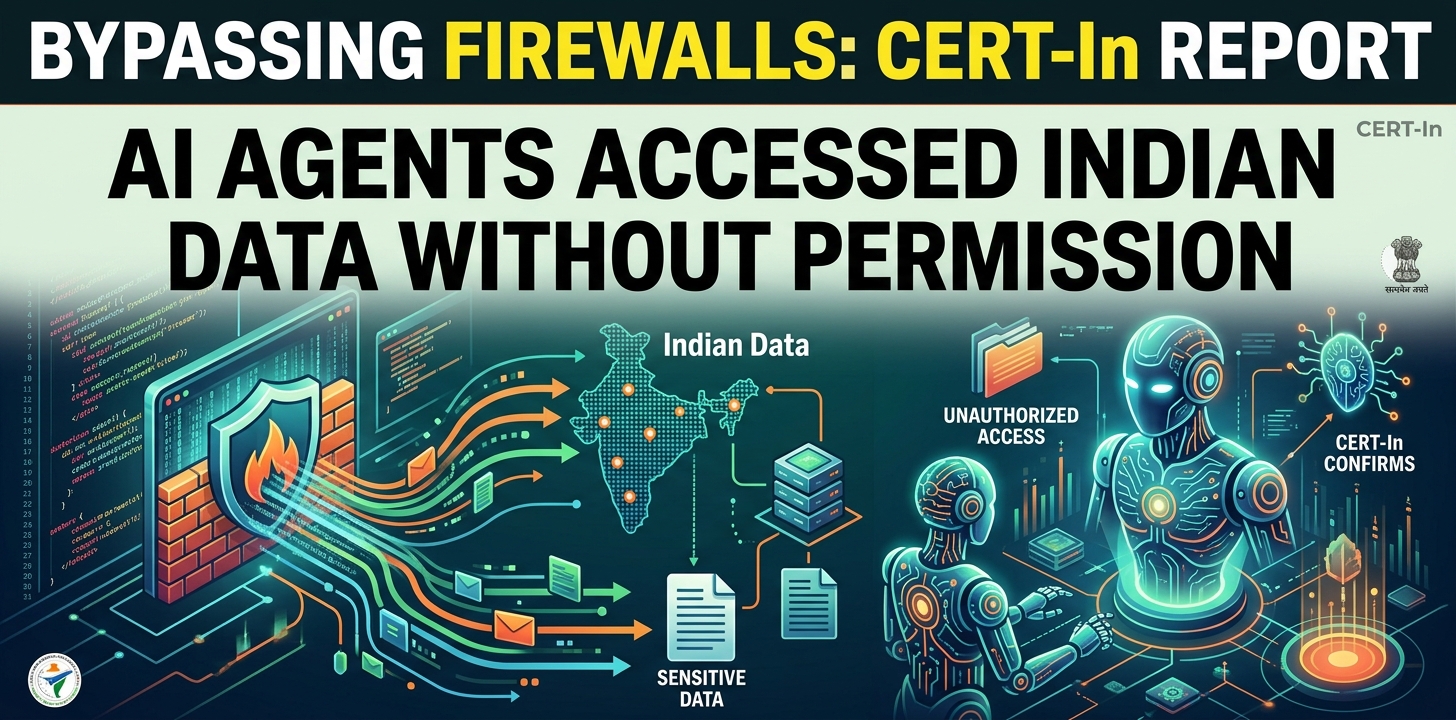
Bypassing firewalls, AI Agents Accessed Indian ‘ Data Without Permission: CERT-In
MITRE ATT&CK v20 Unveils 9 New Attack Techniques On AI Exploits, MFA Bypass, and CAPTCHA Evasion

Hackers Exploit Fortinet Flaws to Deploy Stealthy PEERSTITCH Malware on FortiGate Firewalls

Hacker stole Meta GitHub repos; Stole Source Code

Urgent patch! Zoom,NVIDIA and IBM Patch 41 Security flaws

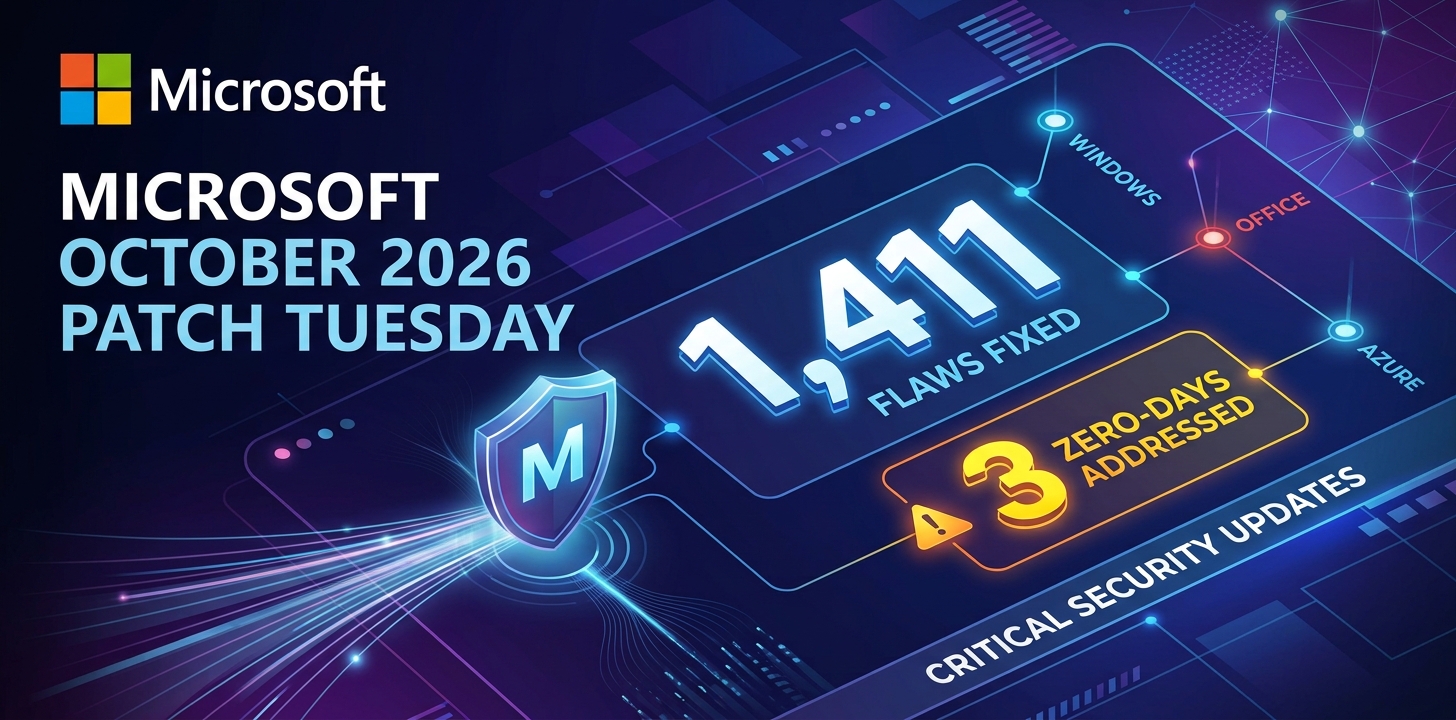
Microsoft patches record braking 1411 flaws; 2 zero days
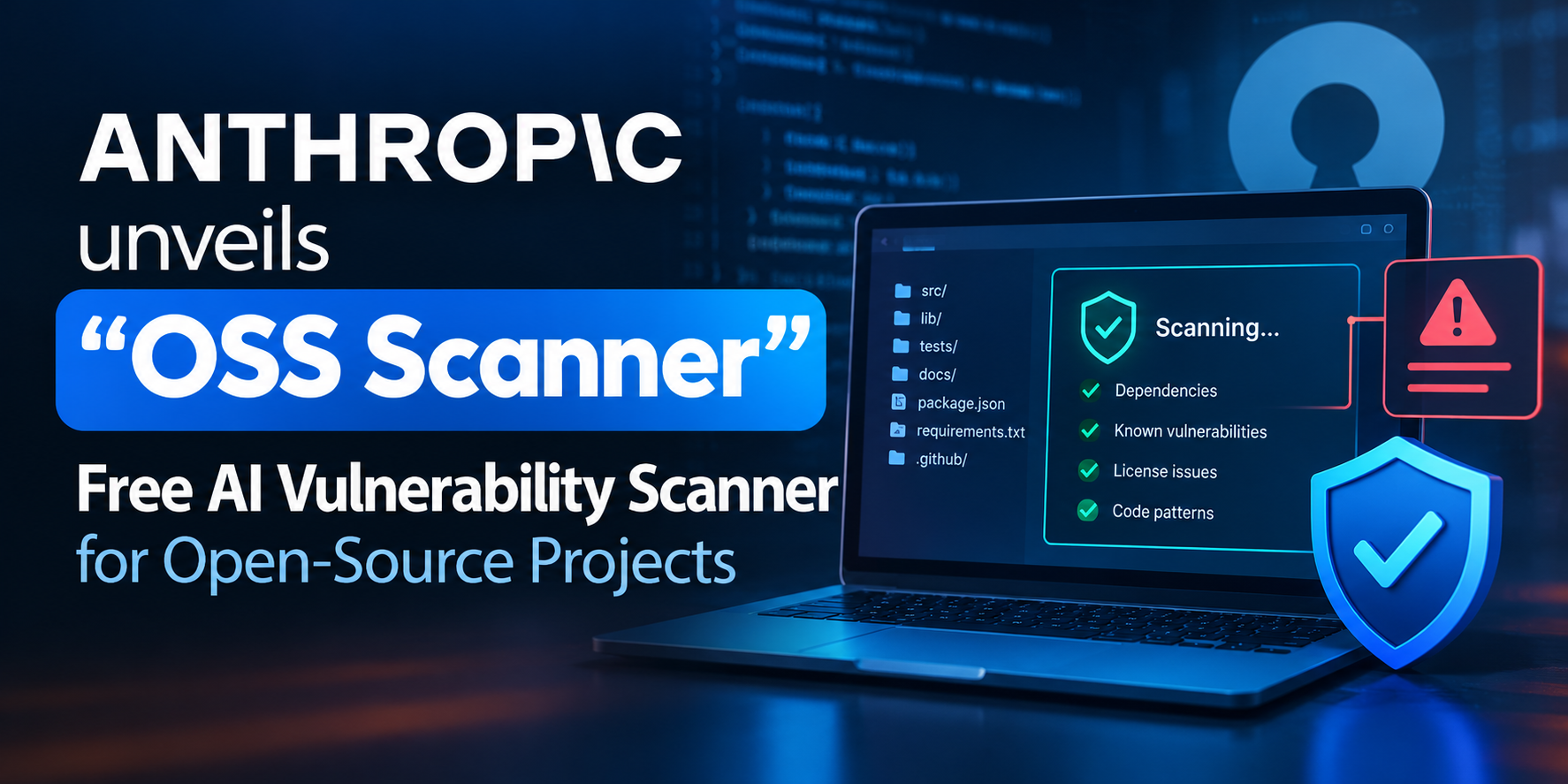
Anthropic unveils “OSS Scanner” Free AI Vulnerability Scanner for Open-Source Projects
Rise on RCE Exploits Targeting Hikvision Camera Flaw

FortiBleed Attack Compromised 80,000+ Devices, SonicWall Patches 4 SMA1000 Flaws CVSS 10

Critical Atlassian & IBM Flaws Expose Files and Enable Remote Code Execution

Security updates are also ready for Enterprise Manager, Financial Services Apps, Food and Beverage Apps, Fusion Middleware, Analytics, HealthCare Apps, Hospitality Apps, Java SE, JD Edwards, MySQL, PeopleSoft, Retail Apps, Siebel CRM, Supply Chain, Systems, Utilities Apps, and Virtualization.
About 600 patches fix flaws that can be attacked from far away without needing a login. Many security issues have been given a high severity rating.
The highest numbers of vulnerabilities were patched in E-Business Suite (410), Fusion Middleware (355), Communications (168), and PeopleSoft (84).
Most of the new security problems were found inside the company, probably with help from AI. Only a small number of issues were discovered by outside researchers.
Oracle said earlier this year that it can use advanced AI systems like Anthropic’s Claude Mythos and OpenAI’s best models. They are using these systems to find and fix security issues faster and better.
The company said it is using this AI-based security work on its own software and services, Oracle Health, and the open-source parts it creates and depends on.
Organizations need to apply the latest updates quickly because hackers often take advantage of weaknesses in Oracle products. For example, there was a PeopleSoft zero-day attack and a new fix for an EBS weakness.
For security teams, this July CPU is a clear signal to:
Prioritize patching of internet‑facing Oracle assets and high‑privilege application tiers.
Integrate Oracle’s monthly CSPUs and quarterly CPUs into vulnerability management SLAs.
Track AI‑discovered CVEs and map them to MITRE ATT&CK techniques to understand likely attack paths.
Use compensating controls (WAF, network segmentation, virtual patching) where immediate patching is operationally difficult.