InfoSecBulletin Cybersecurity for mankind
The NSA released an information sheet called “Advancing Zero Trust Maturity Throughout the Application and Workload Pillar.” This sheet will help organizations protect their applications from unauthorized users and maintain constant visibility of their workload.
This CSI gives recommendations for achieving different levels of application and workload capabilities under the Zero Trust (ZT) paradigm. It explains how these capabilities fit into a complete ZT framework. ZT implementation aims to improve cybersecurity protections, responses, and operations over time.
Hackers Actively Exploiting Palo Alto VPN Flaw Via CVE-2026-0257

DeepSeek AI banned by U.S. Government; federal agencies must remove all related tools

CISA, NSA and NIST Publish New 10 AI Agent Control Guidelines
Claude AI Cracks 25-Year NSA Cryptography Number Mystery in Just 30 Minutes
Bypassing firewalls, AI Agents Accessed Indian ‘ Data Without Permission: CERT-In
MITRE ATT&CK v20 Unveils 9 New Attack Techniques On AI Exploits, MFA Bypass, and CAPTCHA Evasion
Hackers Exploit Fortinet Flaws to Deploy Stealthy PEERSTITCH Malware on FortiGate Firewalls

Hacker stole Meta GitHub repos; Stole Source Code
Urgent patch! Zoom,NVIDIA and IBM Patch 41 Security flaws

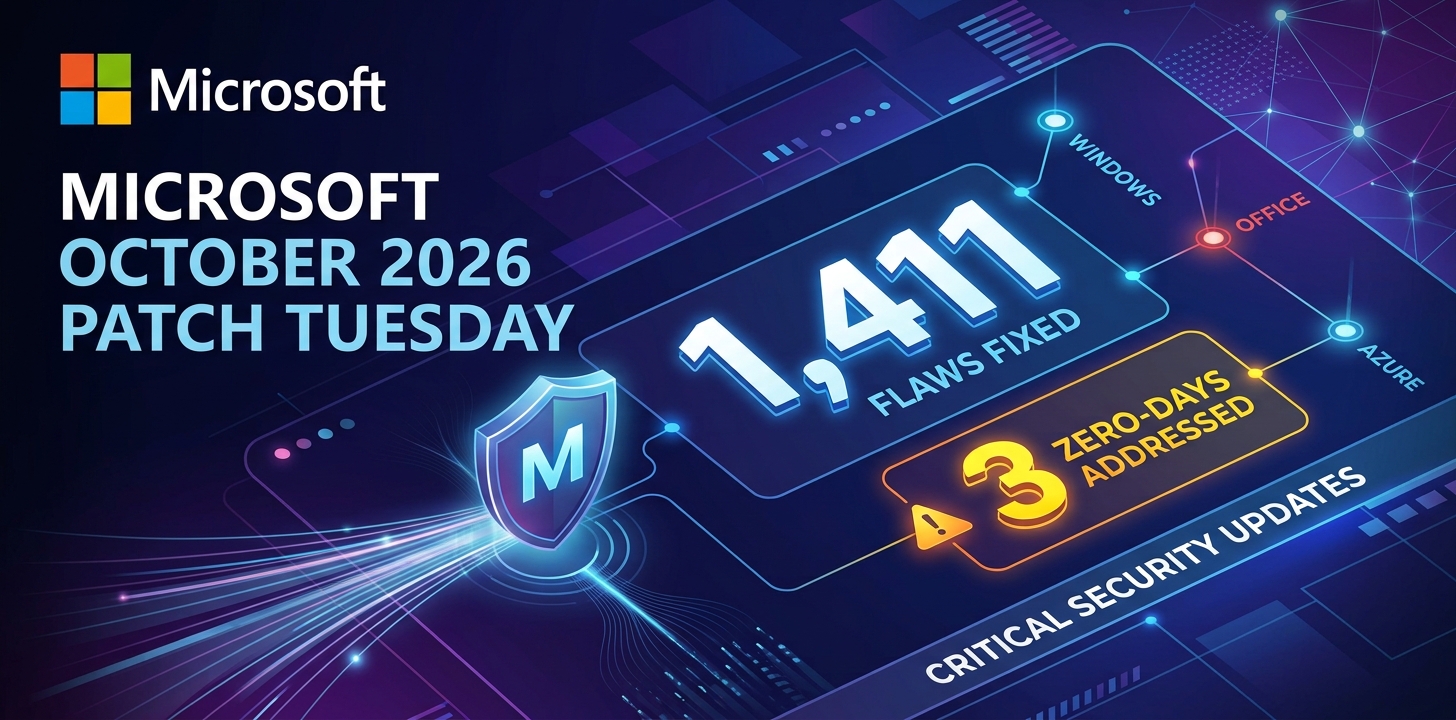
Microsoft patches record braking 1411 flaws; 2 zero days
“This guidance helps organizations disrupt malicious cyber activity by applying granular access control and visibility to applications and workloads in modern network environments,” said Dave Luber, NSA’s Director of Cybersecurity. “Implementing a Zero Trust framework places cybersecurity practitioners in a better position to secure sensitive data, applications, assets, and services.”
According to the CSI, applications and workloads depend on each other. Applications are computer programs and services that run on premise and cloud environments. Workloads can be standalone solutions or groups of processing components performing functions.
The application and workload pillar in a Zero Trust architecture relies on these capabilities: application inventory, secure software development and integration, software risk management, resource authorization and integration, and continuous monitoring and ongoing authorizations.
NSA is helping DoD customers test Zero Trust systems and create more guidance for integrating Zero Trust principles into enterprise networks.
This guidance expands on NSA’s previously released CSIs on Zero Trust, including the following:
Embracing a Zero Trust Security Model
Advancing Zero Trust Maturity Throughout the User Pillar
Advancing Zero Trust Maturity Throughout the Device Pillar
Advancing Zero Trust Maturity Throughout the Data Pillar
Advancing Zero Trust Maturity Throughout the Network and Environment Pillar. Click here to read the full report.