 InfoSecBulletin Cybersecurity for mankind
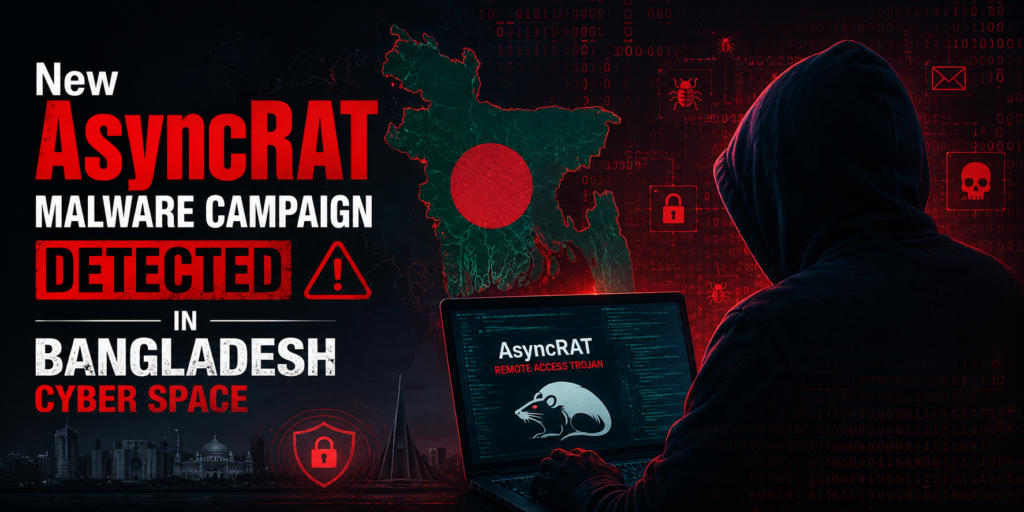
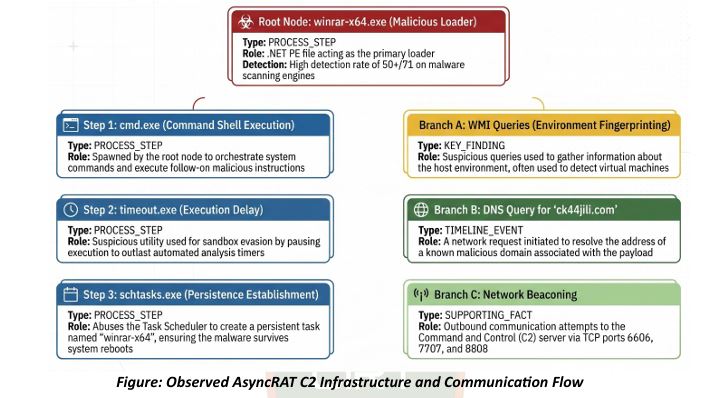
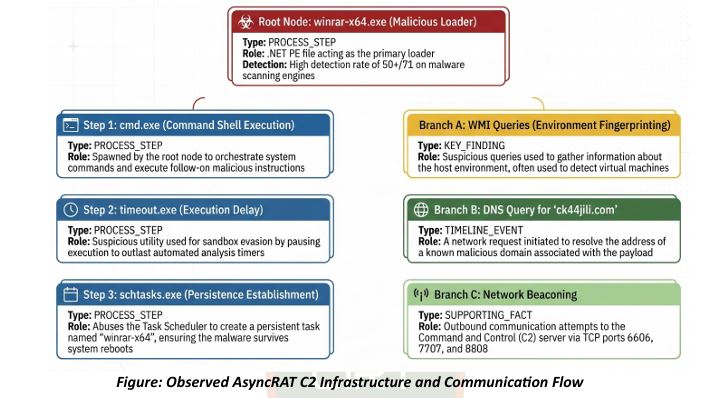
BGD e-GOV CIRT found a cyber-attack campaign using AsyncRAT (Asynchronous Remote Access Trojan) aimed at Bangladesh. Threat analysis shows that the website ck44jili[.]com is a main Control Center (C2) for the AsyncRAT malware.
Citrix NetScaler SAML 0-Day Flaw Under Attack

Major Danish university breached, 200,000 users at risk

Microsoft’s X account hijacked to promote Clippy crypto scam

Critical cPanel, GitLab AI Gateway and Dell CSM Flaws Enable RCE And Admin Hijacking

Nearly 100,000 email addresses exposed in first AI-related data breach in Singapore

Hackers Exploit Zimbra Mail Servers: TeamViewer patched 5 critical flaws

Google Warns of Hackers Actively Exploiting Citrix 0-Day Flaws

CISA Warns Critical MikroTik RouterOS Flaw While Cisco SD-WAN Zero-Day Exploited in Attacks
Apple Zero-Day Exploited: Pentagon Data Breach Reportedly Exposes Sensitive Data of 3 Million People
JadePuffer Agentic AI targets and destroys Azure’s cloud resources

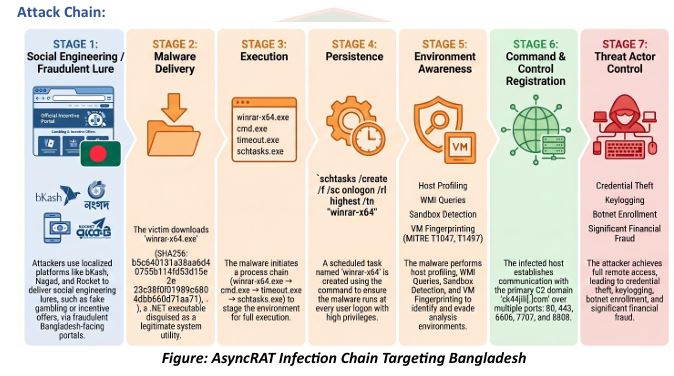
The campaign mixes malware, remote access, and fake financial tricks. Attackers hide harmful files as real software and run fake online gambling sites aimed at users in Bangladesh.
Of particular concern, the malicious infrastructure appears designed to socially engineer Bangladesh-based victims through localized payment mechanisms including bKash, Nagad, and Rocket, increasing the likelihood of successful financial fraud and malware infection.
The analysis shows that the malware pretends to be a WinRAR program (winrar-x64.exe) but actually works as AsyncRAT v0.5.8, allowing complete remote control of infected computers.
Threat actors appear to leverage Bangladesh-specific payment channels, increasing victim trust and improving fraud success rates. The campaign targets banking & fintech, telecom, e-commerce, government users and enterprise employees.
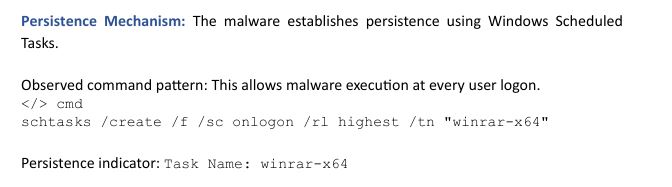
CIRT identified the following IP Addresses related to the campaign 172.67.211.32, 23.195.81.33, 23.195.81.41, 23.195.81.9, 52.111.243.31 and 2600:4700:3031::ac43:d320.
CIRT advises that organizations must act quickly against AsyncRAT infections. They should block harmful domains and suspicious ports, isolate infected systems, and keep evidence for investigation. Security measures should include scanning devices for AsyncRAT signs, removing harmful scheduled tasks, resetting hacked passwords, and checking startup entries for any unauthorized action. Also, network defenses should improve by limiting outgoing traffic to unknown ports, using DNS filtering, checking proxy and network logs for strange activity, and blocking known harmful servers.
Related News:
Bangladeshi “RapidLogX” Helps Unmask Real Scammers with 20+ Data Points
‘NB’ app scam in Bangladesh; Thousands lost; 30 complaints to police
BGD e-GOV CIRT offically colaborated with “Have I Been Pwned”