InfoSecBulletin Cybersecurity for mankind

Security researchers have found several vulnerabilities in Azure DevOps that could enable attackers to inject CRLF queries and carry out DNS rebinding attacks. Binary Security found serious security risks in a widely used development platform during a client engagement.
The first vulnerability in Azure DevOps’ ‘endpointproxy’ feature enables Server-Side Request Forgery (SSRF).
US banks faced unauthorized access by AI agents in customer accounts: Axios reports

Atlassian patched 176 flaw in Jira and Confluence: Fortinet Urges to Patch Flaws Affecting FortiOS, FortiManager

Hacker claim to access Rajasthan Police data: 70,000 records allegedly exposed

Update now! PHP2Shell: Critical PHP vulnerabilities patched

Trump says data centres should pay dividends to local community

Hackers Actively Exploiting Palo Alto VPN Flaw Via CVE-2026-0257

DeepSeek AI banned by U.S. Government; federal agencies must remove all related tools

CISA, NSA and NIST Publish New 10 AI Agent Control Guidelines

Claude AI Cracks 25-Year NSA Cryptography Number Mystery in Just 30 Minutes

Bypassing firewalls, AI Agents Accessed Indian ‘ Data Without Permission: CERT-In

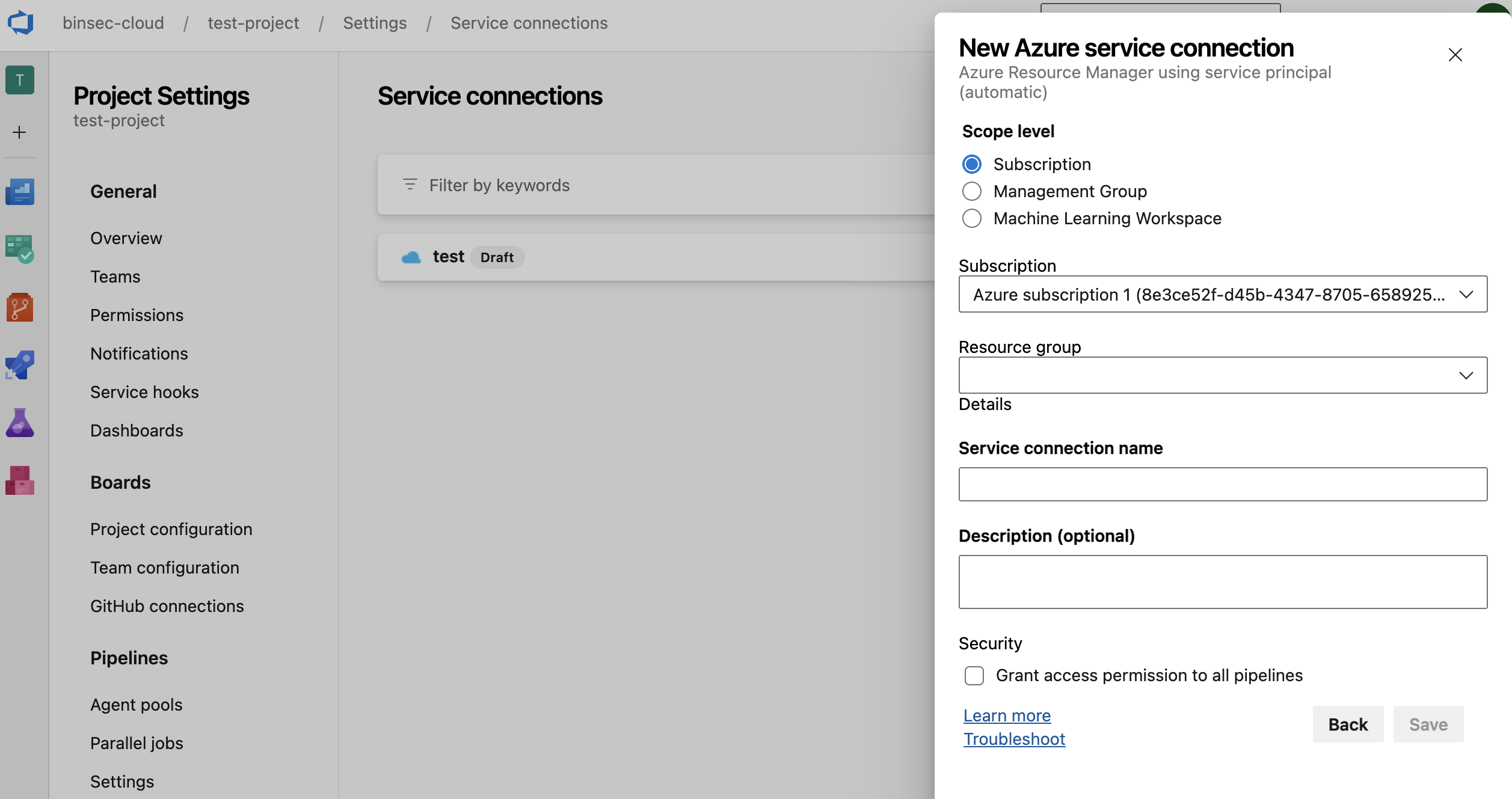
This vulnerability allows attackers to access internal services, risking exposure of sensitive information. The researcher showed that by altering the ‘url’ parameter in requests to the endpoint proxy API, communication with internal metadata services could occur.
The second vulnerability was found in Azure DevOps’ Service Hooks feature. This flaw enables both SSRF and CRLF injection. Attackers can exploit it to inject HTTP headers and modify outbound requests.
The researcher successfully injected the ‘Metadata: True’ header needed for communication with Azure metadata APIs.

The initial fix for the endpointproxy vulnerability was easily avoided using DNS rebinding techniques. This attack involves changing DNS records to link a malicious hostname to different IP addresses over time, which could allow access to internal network resources.
DNS rebinding poses a significant threat in cloud environments as more organizations transition their infrastructure to the cloud. In Azure environments, exploitation may result in the theft of access tokens from Azure Active Directory, particularly if managed identities are active on virtual machines.
SSRF vulnerabilities can result in serious consequences, such as unauthorized access to internal services, data leakage, and potentially remote code execution when paired with other weaknesses.
CRLF injection can cause HTTP response splitting, which may lead to cross-site scripting (XSS) attacks, cache poisoning, and other security problems.
Microsoft has recognized these vulnerabilities and awarded a total of $15,000 in bounties to the researcher. Azure DevOps users must keep all systems updated with the latest security patches.