InfoSecBulletin Cybersecurity for mankind

A critical vulnerability was discovered in Smithery.ai, a well-known registry for Model Context Protocol (MCP) servers. This flaw could have let hackers steal data from over 3,000 AI servers and access API keys of thousands of users.
MCP connects AI apps to external tools and data, such as local files or remote databases. Servers can be either local or remote, with remote options often being self-hosted or fully managed.
Hacker claim to access Rajasthan Police data: 70,000 records allegedly exposed

Update now! PHP2Shell: Critical PHP vulnerabilities patched

Trump says data centres should pay dividends to local community

Hackers Actively Exploiting Palo Alto VPN Flaw Via CVE-2026-0257

DeepSeek AI banned by U.S. Government; federal agencies must remove all related tools

CISA, NSA and NIST Publish New 10 AI Agent Control Guidelines
Claude AI Cracks 25-Year NSA Cryptography Number Mystery in Just 30 Minutes

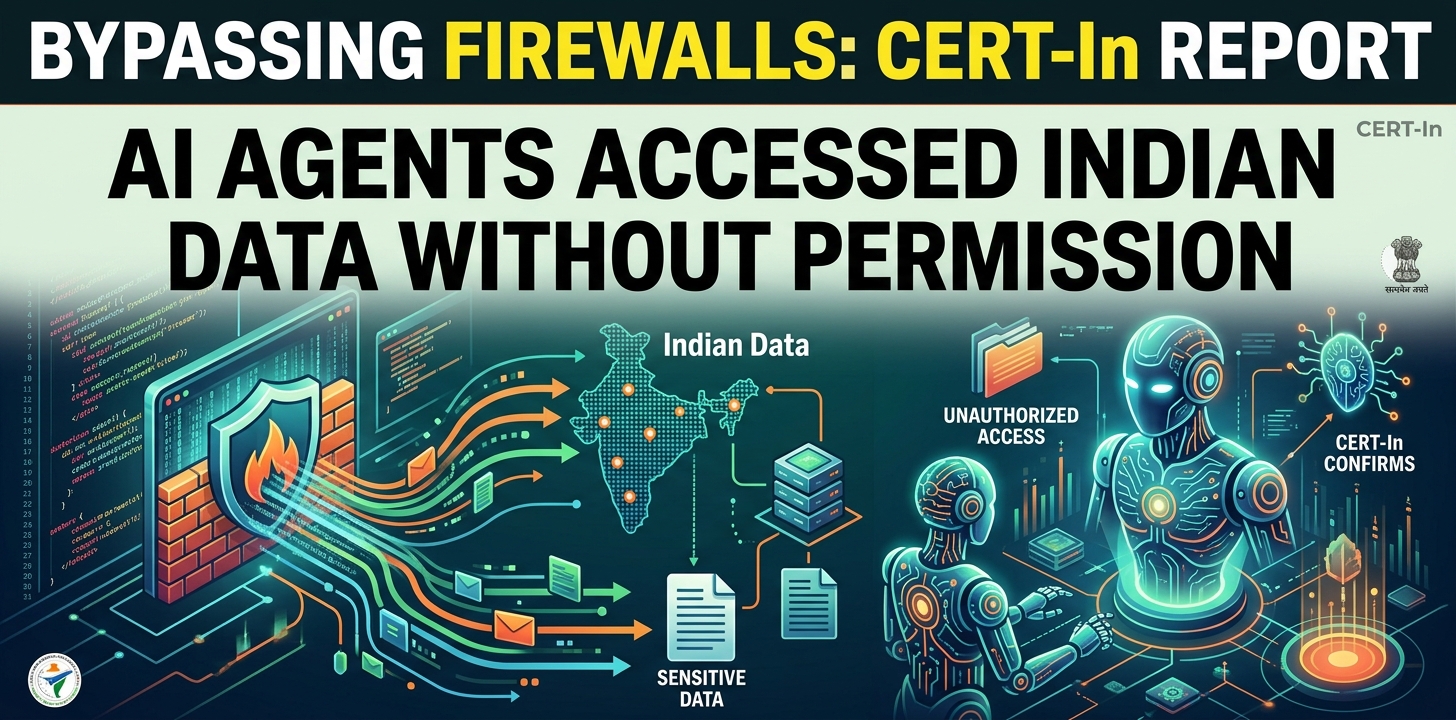
Bypassing firewalls, AI Agents Accessed Indian ‘ Data Without Permission: CERT-In
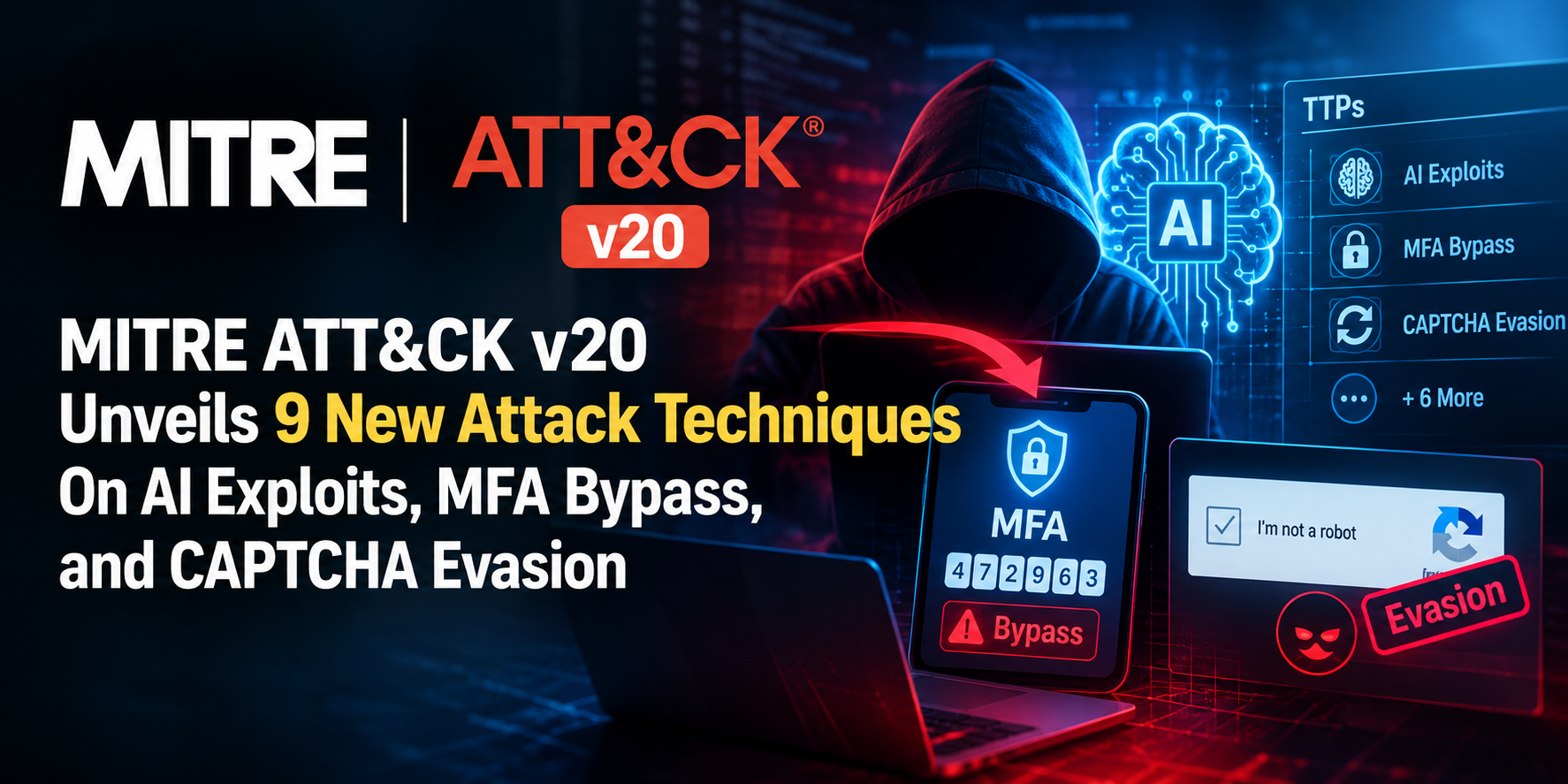
MITRE ATT&CK v20 Unveils 9 New Attack Techniques On AI Exploits, MFA Bypass, and CAPTCHA Evasion
Hackers Exploit Fortinet Flaws to Deploy Stealthy PEERSTITCH Malware on FortiGate Firewalls

GitGuardian reports that Smithery.ai’s hybrid model streamlines deployment by using user-submitted servers built from GitHub repos into Docker images. However, this ease of use increases risks; a single breach could affect the entire ecosystem of AI tools.
Exploiting a Simple Configuration Vulnerability:
The flaw was due to weak controls in Smithery’s build process. Users submit a smithery.yaml file, specifying the Docker build context with dockerBuildPath. While proper setups point within the repo, the system failed to validate inputs, allowing for path traversal attacks.
By setting dockerBuildPath to “..”, attackers could reference the builder machine’s home directory outside the repo, exposing sensitive files to a malicious Dockerfile.
In testing, GitGuardian crafted a repo named “test” with a rigged yaml and Dockerfile. The latter used curl to exfiltrate the directory tree to an attacker-controlled site, revealing files like .docker/config.json.
The file contained a fly.io authentication token with too many privileges, intended for Docker registry access but also allowed broader machine API access.
Fly.io hosts Smithery with virtual containers, and the token enabled an organization with 3,243 apps, primarily MCP servers, along with its service infrastructure.
With the token, attackers could query apps, execute code on machines (confirming root access via “id” command), and even sniff network traffic. Compromised servers captured HTTP requests, revealing client API keys like a Brave key in query parameters. If scaled, this could expose secrets from many clients using MCP servers, as reported by GitGuardian.
The incident shows risks in centralized AI hosting. MCP servers use static API keys instead of OAuth, making them easier targets for attacks but complicating privilege management. Salesloft’s OAuth abuse highlights how a single flaw can allow lateral movement across various trust boundaries.
Smithery fixed the traversal on June 15, 2025, after the June 13 disclosure, by rotating keys and tightening builds. As AI ecosystems expand, platforms need to focus on isolation to protect developers from widespread threats.