InfoSecBulletin Cybersecurity for mankind
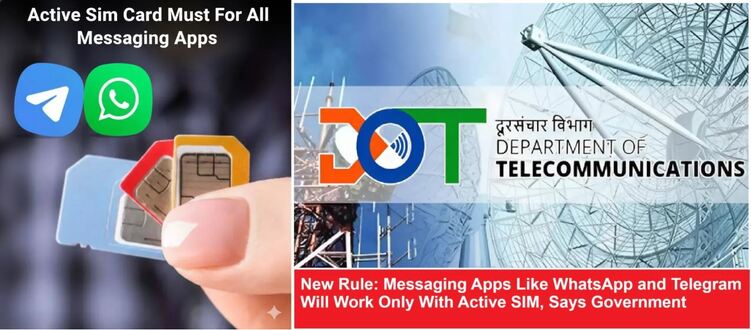
The Indian government now requires messaging apps such as WhatsApp, Telegram, and Signal to work only when linked to an active SIM card. This regulation, issued by the Department of Telecommunications on November 28, aims to combat increasing cyber fraud and secure digital communication.
Telecommunication Cybersecurity Amendment Rules, 2025, take effect immediately but allow 90 days for compliance. The rules classify certain apps as Telecommunication Identifier User Entities (TIUEs) and require them to undergo verification like telecom companies to combat fraud, spam, and cybercrime.
Claude AI Cracks 25-Year NSA Cryptography Number Mystery in Just 30 Minutes
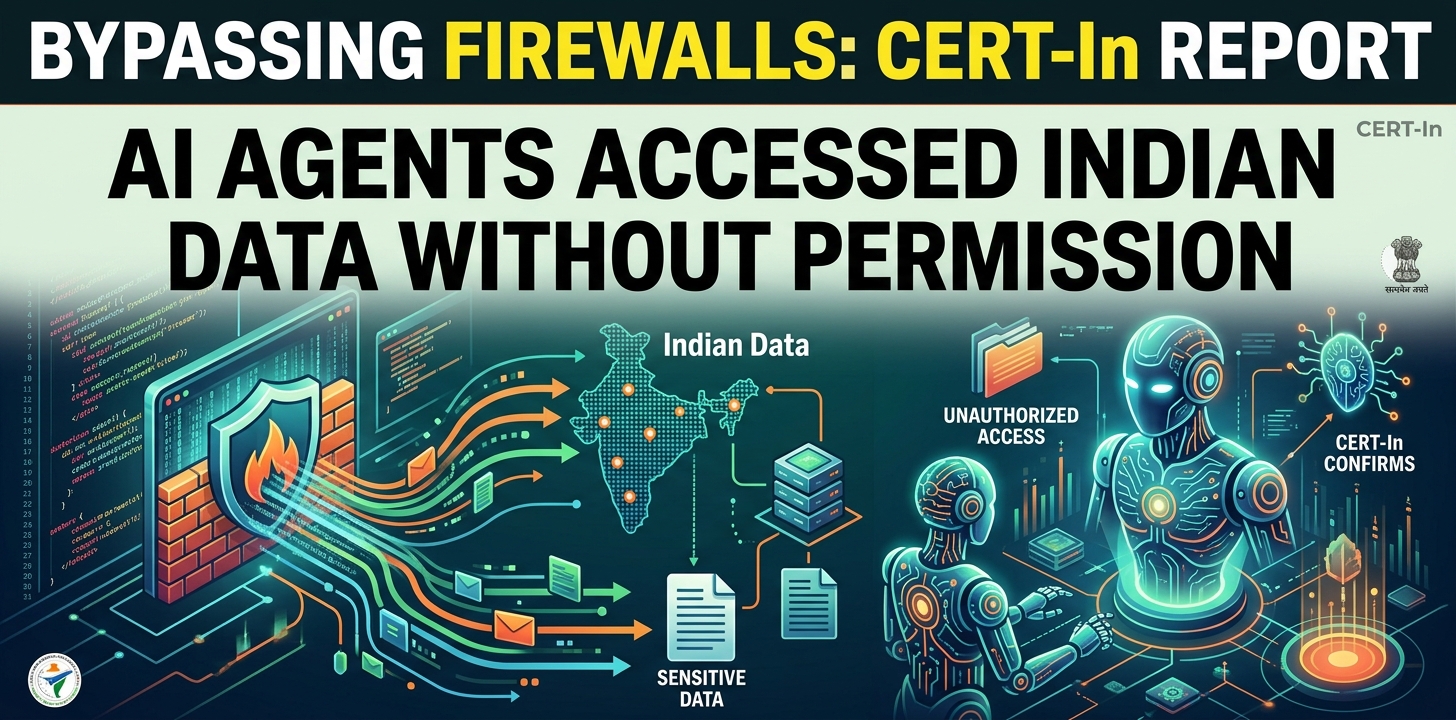
Bypassing firewalls, AI Agents Accessed Indian ‘ Data Without Permission: CERT-In
MITRE ATT&CK v20 Unveils 9 New Attack Techniques On AI Exploits, MFA Bypass, and CAPTCHA Evasion

Hackers Exploit Fortinet Flaws to Deploy Stealthy PEERSTITCH Malware on FortiGate Firewalls

Hacker stole Meta GitHub repos; Stole Source Code
Urgent patch! Zoom,NVIDIA and IBM Patch 41 Security flaws

Microsoft patches record braking 1411 flaws; 2 zero days
Anthropic unveils “OSS Scanner” Free AI Vulnerability Scanner for Open-Source Projects
Rise on RCE Exploits Targeting Hikvision Camera Flaw

FortiBleed Attack Compromised 80,000+ Devices, SonicWall Patches 4 SMA1000 Flaws CVSS 10

According to the notice, these communication apps must ensure within 90 days that their services remain “continuously” linked to the SIM card used during registration. They must block access if the SIM is not present in the device – a technical requirement known as SIM binding. Additionally, web- based versions of these apps, such as WhatsApp Web, must log out users periodically, with sessions not exceeding six hours.
“It has come to the notice of Central Government that some of the app based communication services that are utilizing mobile number for identification of its customers… allow users to consume their services without availability of the underlying SIM within the device posing challenge to telecom cyber security as it is being misused from outside the country to commit cyber-frauds,” DoT stated in its notice.
What does the mandate require?
Continuous SIM Binding: Applications must verify the link between the customer’s registered phone number, SIM card, and device. If the SIM is removed, inactive, or deactivated, the application should be disabled until it is re-validated.
Restrictions on Web Versions: Users will be automatically logged out of web access/desktop every 6 hours; they must then verify their SIM presence by re-scanning the QR code through the mobile app.
Timeline: Platforms must implement changes within 90 days and report compliance to DoT within 120 days. Non-compliance may lead to service restrictions.
Affected Apps: WhatsApp, Telegram, Signal, Snapchat, ShareChat, JioChat, Arattai, and Josh are the most popular communication apps in India. Currently, these apps continue to work indefinitely after initial verification, even without an active SIM.
Why This Change? Official Rationale and Context?
Fraud Prevention: Cybercriminals exploit SIM-independent access to commit scams with spoofed numbers, financial fraud, and spamming. COAI notes that this causes traceability issues as fraudsters use apps even after swapping their SIM cards.
Telecom Cybersecurity: Aligned OTT applications with banking standards, for example; therefore, treating mobile numbers as the digital ID of India to make them more accountable.