InfoSecBulletin Cybersecurity for mankind

Thanks to improvements in security mechanisms and mitigations, hacking cell phones — both running iOS and Android — has become an expensive endeavor. That’s why hacking techniques for apps like WhatsApp are now worth millions of dollars, TechCrunch has learned.
Last week, a Russian company that buys zero-days — flaws in software that are unknown to the developer of the affected product — offered $20 million for chains of bugs that would allow their customers, which the company said are “Russian private and government organizations only,” to remotely compromise phones running iOS and Android. That price is in part likely caused by the fact that there aren’t many researchers willing to work with Russia while the invasion of Ukraine continues, and that Russian government customers are likely willing to pay a premium under the current circumstances.
CISA, NSA and NIST Publish New 10 AI Agent Control Guidelines
Claude AI Cracks 25-Year NSA Cryptography Number Mystery in Just 30 Minutes
Bypassing firewalls, AI Agents Accessed Indian ‘ Data Without Permission: CERT-In
MITRE ATT&CK v20 Unveils 9 New Attack Techniques On AI Exploits, MFA Bypass, and CAPTCHA Evasion

Hackers Exploit Fortinet Flaws to Deploy Stealthy PEERSTITCH Malware on FortiGate Firewalls

Hacker stole Meta GitHub repos; Stole Source Code
Urgent patch! Zoom,NVIDIA and IBM Patch 41 Security flaws

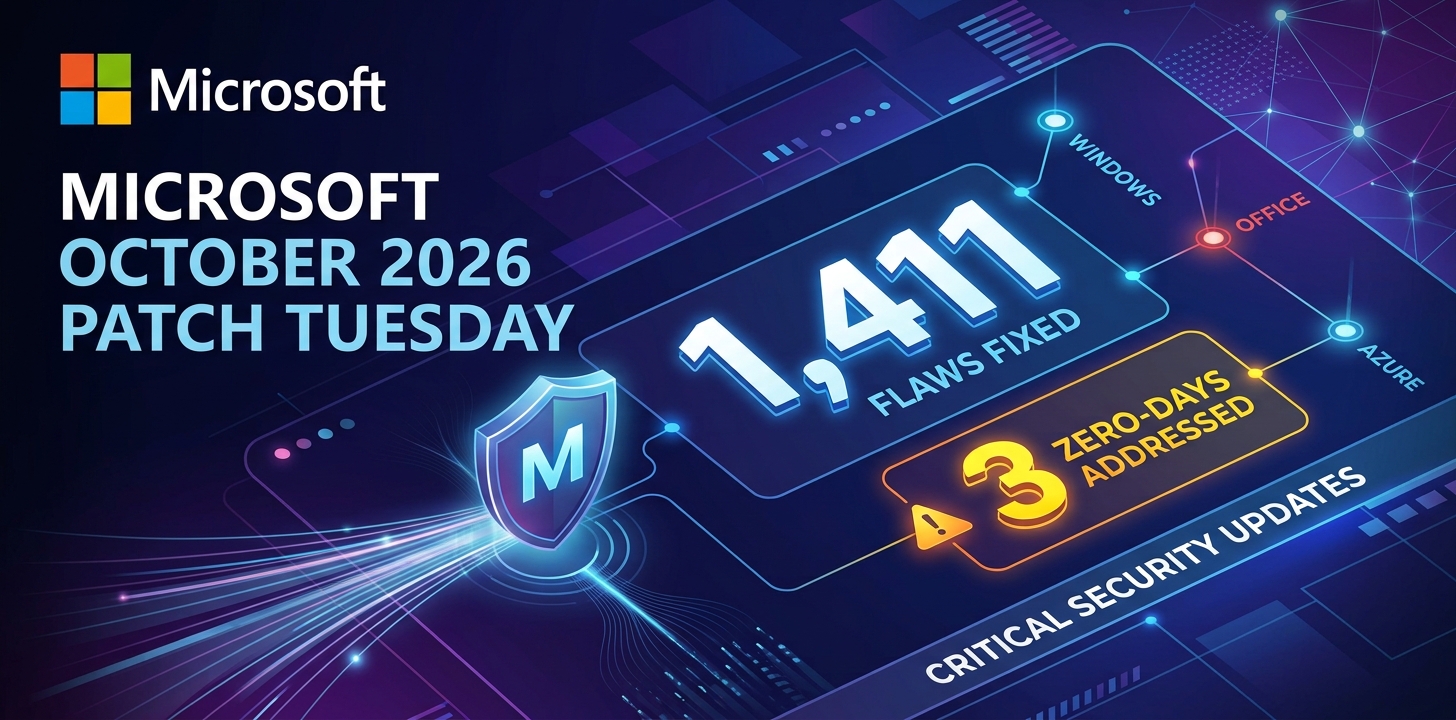
Microsoft patches record braking 1411 flaws; 2 zero days
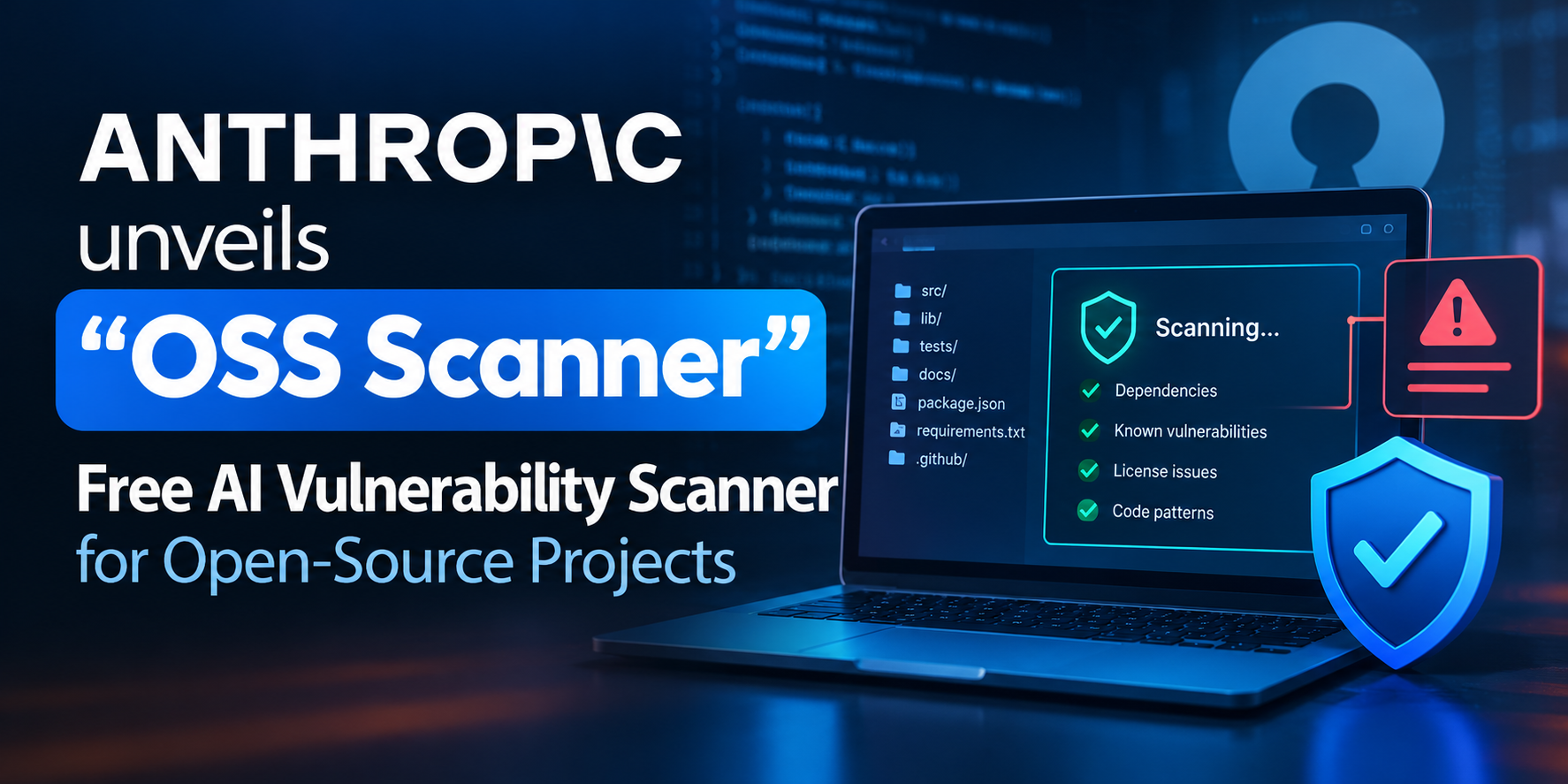
Anthropic unveils “OSS Scanner” Free AI Vulnerability Scanner for Open-Source Projects
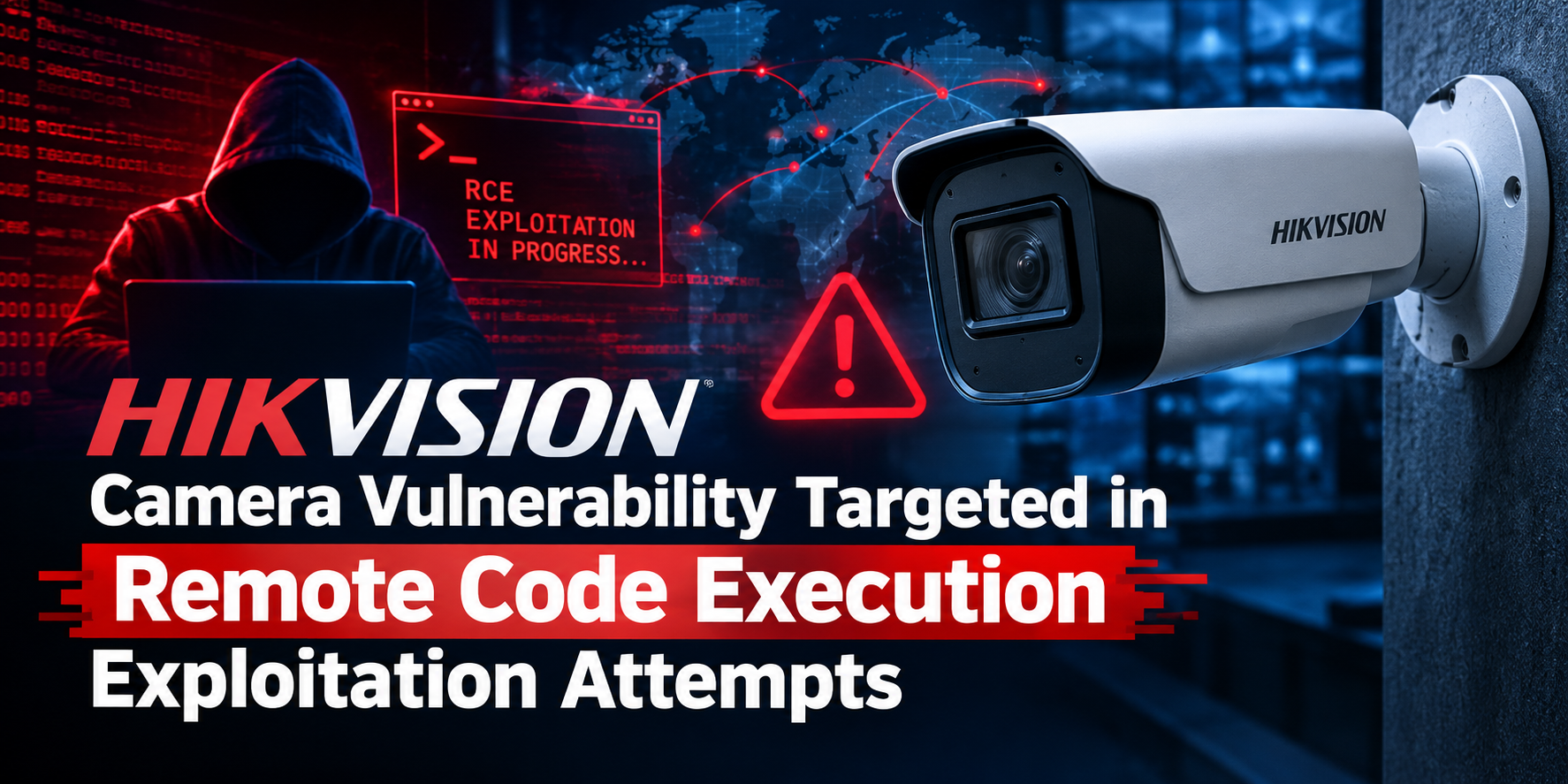
Rise on RCE Exploits Targeting Hikvision Camera Flaw
But even in the markets outside of Russia, including just for bugs in specific apps, prices have gone up.
Leaked documents seen by TechCrunch show that, as of 2021, a zero-day allowing its user to compromise a target’s WhatsApp on Android and read the content of messages can cost between $1.7 and $8 million.
“They’ve shot up,” said a security researcher who has knowledge of the market, and asked to remain anonymous as they weren’t authorized to speak to the press.
WhatsApp has been a popular target for government hackers, the kind of groups that are more likely to use zero-days. In 2019, researchers caught customers of the controversial spyware maker NSO Group using a zero-day to target WhatsApp users. Soon after, WhatsApp sued the Israeli surveillance tech vendor, accusing it of abusing its platform to facilitate its customers using the zero-day against more than a thousand WhatsApp users.
In 2021, according to one of the leaked documents, a company was selling a “zero click RCE” in WhatsApp for around $1.7 million. RCE is cybersecurity lingo for remote code execution, a type of flaw that allows malicious hackers to remotely run code on the target’s device. Or in this case, inside WhatsApp, allowing them to monitor, read and exfiltrate messages. “Zero click” refers to the fact that the exploit requires no interaction from the target, making it stealthier and harder to detect.
The document said the exploit worked for Android versions 9 to 11, which was released in 2020, and that it took advantage of a flaw in the “image rendering library.” In 2020 and 2021, WhatsApp fixed three vulnerabilities — CVE-2020-1890, CVE-2020-1910 and CVE-2021-24041 — that all involved how the app processes images. It’s unclear if these patches fixed the flaws underlying the exploits that were on sale in 2021.
WhatsApp spokesperson Zade Alsawah said the company declined to comment.
The value of targeting WhatsApp specifically is that, sometimes, government hackers — think those working for intelligence or law enforcement agencies — may only be interested in a target’s chats on WhatsApp, so they don’t need to compromise the whole phone. But an exploit only in WhatsApp can also be part of a chain to further compromise the target’s device.
“The exploit buyers are interested in the exploits for what they enable — spying on their targets,” said a security researcher with knowledge of the market, who asked to remain anonymous to discuss sensitive issues. “If the exploit they buy does not give them all of what they want they need to buy multiple pieces and combine them.”