InfoSecBulletin Cybersecurity for mankind

According to cybersecurity analysts at Dragos, while cloud adoption offers many benefits for industrial companies , it also poses certain risks. The core operational risks relate to interruptions in data center cooling systems.
Data centers use building automation and management systems (BAS/BMS) to control important aspects like temperature.
US banks faced unauthorized access by AI agents in customer accounts: Axios reports

Atlassian patched 176 flaw in Jira and Confluence: Fortinet Urges to Patch Flaws Affecting FortiOS, FortiManager

Hacker claim to access Rajasthan Police data: 70,000 records allegedly exposed
Update now! PHP2Shell: Critical PHP vulnerabilities patched

Trump says data centres should pay dividends to local community

Hackers Actively Exploiting Palo Alto VPN Flaw Via CVE-2026-0257

DeepSeek AI banned by U.S. Government; federal agencies must remove all related tools

CISA, NSA and NIST Publish New 10 AI Agent Control Guidelines
Claude AI Cracks 25-Year NSA Cryptography Number Mystery in Just 30 Minutes
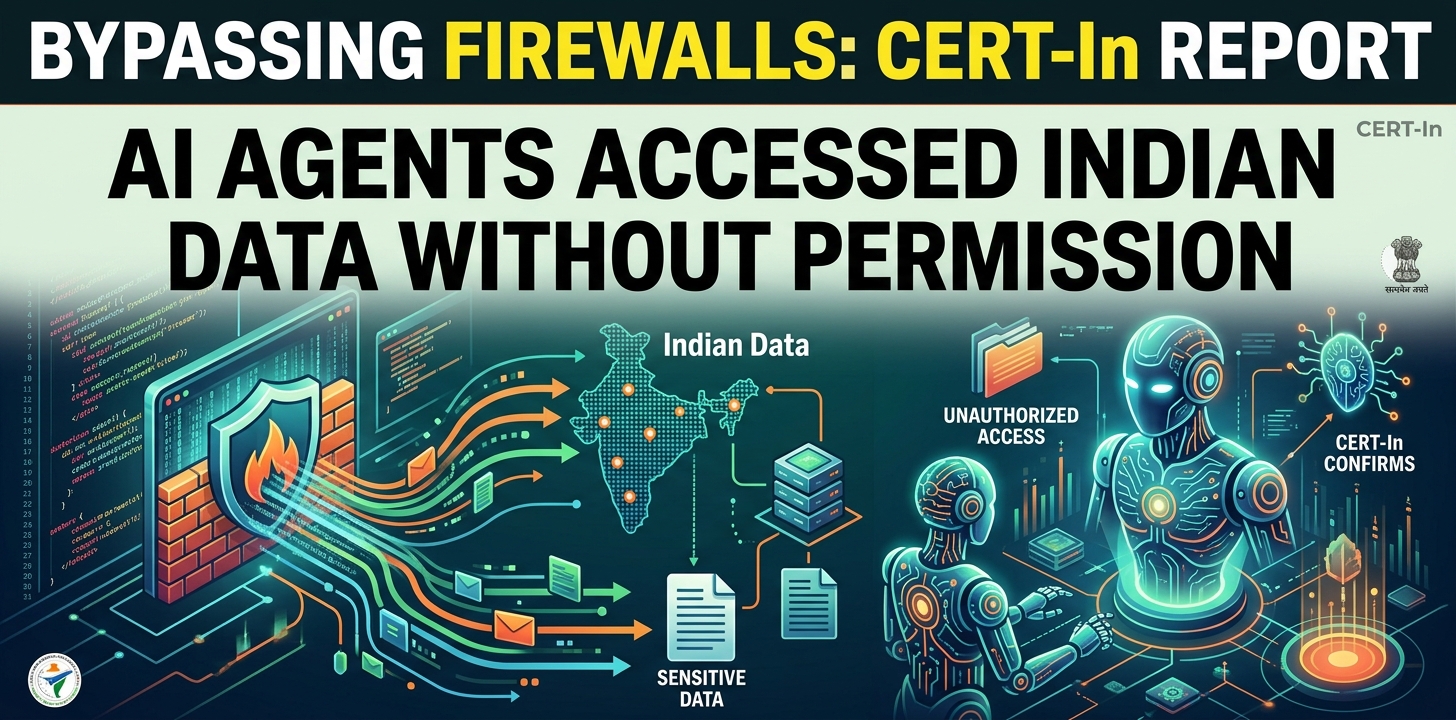
Bypassing firewalls, AI Agents Accessed Indian ‘ Data Without Permission: CERT-In
Places like these use advanced cooling methods such as air conditioning, chilled water, and liquid cooling to keep the network, storage, and computational systems at the right operating temperatures. If the cooling systems fail without a backup, overheating or shut down could occur in less than a minute.
Cooling System Outages:
Overheating has caused problems in cooling systems, leading to disruptions in services for customers. For example, a lightning strike in August 2023 caused cooling system chillers to shut down in several Microsoft data centers in Australia. This led to nearly 12 hours of service downtime, affecting organizations like the Bank of Queensland and Jetstar.
On October 14, 2023, a problem with the cooling system at an Equinix Data Centre in Singapore caused temperatures to rise, disrupting services at DBS Bank Limited and Citibank. This led to about 2.5 million failed transactions and up to 810,000 failed digital banking access attempts. Data center cooling failures can be extremely damaging, as demonstrated by these incidents.
Hackers are showing interest in targeting building management systems, focusing on infrastructure like coolers. The CHERNOVITE malware can theoretically alter protocols widely used within data centers.
Cooling system failures in infrastructures can cause reputational harm, service denial or unavailability, operational impact, and loss of situational awareness for industrial organizations that rely on data centers.
Recommendations:
Given the conveyed risk of operational disruption posed by outages to data centre cooling systems, Dragos recommends that organisations:
- Assess the importance of applications and services that depend on data centres.
- Include data center outages in disaster/incident response planning and develop a standard operating procedure to address these situations.
- Discuss failover risks and cooling system outages with cloud service providers. Verify their backup and redundancy plans for these incidents.