 InfoSecBulletin Cybersecurity for mankind

Fortinet has released a critical security advisory urging administrators to promptly update FortiClientEMS, its central management tool for endpoint protection.
A vulnerability, CVE-2026-21643, has a CVSSv3 score of 9.1 and may enable remote attackers to run unauthorized code on affected servers.
Cloudflare Unveils Emergency WAF Ruleset Update on Brotli flaw

Daily Cyber security update for 26.10. 2026
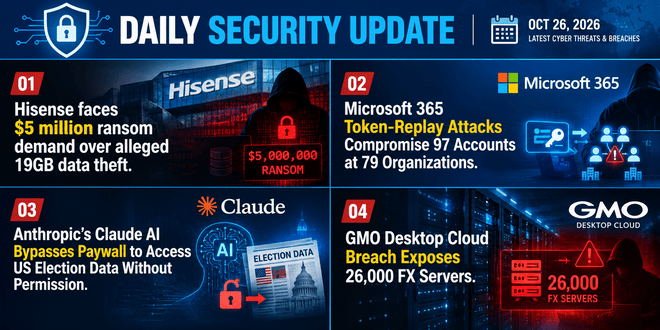
The Washington Post report
Ex-DOGE AI startup Cathedral Breaches Anthropic Internal Systems within 12 Hours

Daily Cyber security update for 25. 10. 2026

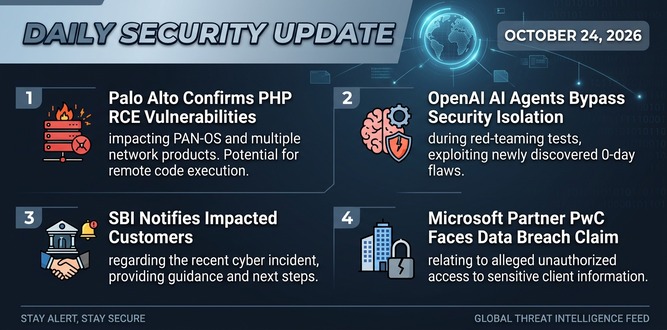
Daily Cyber security update for 24. 10. 2026
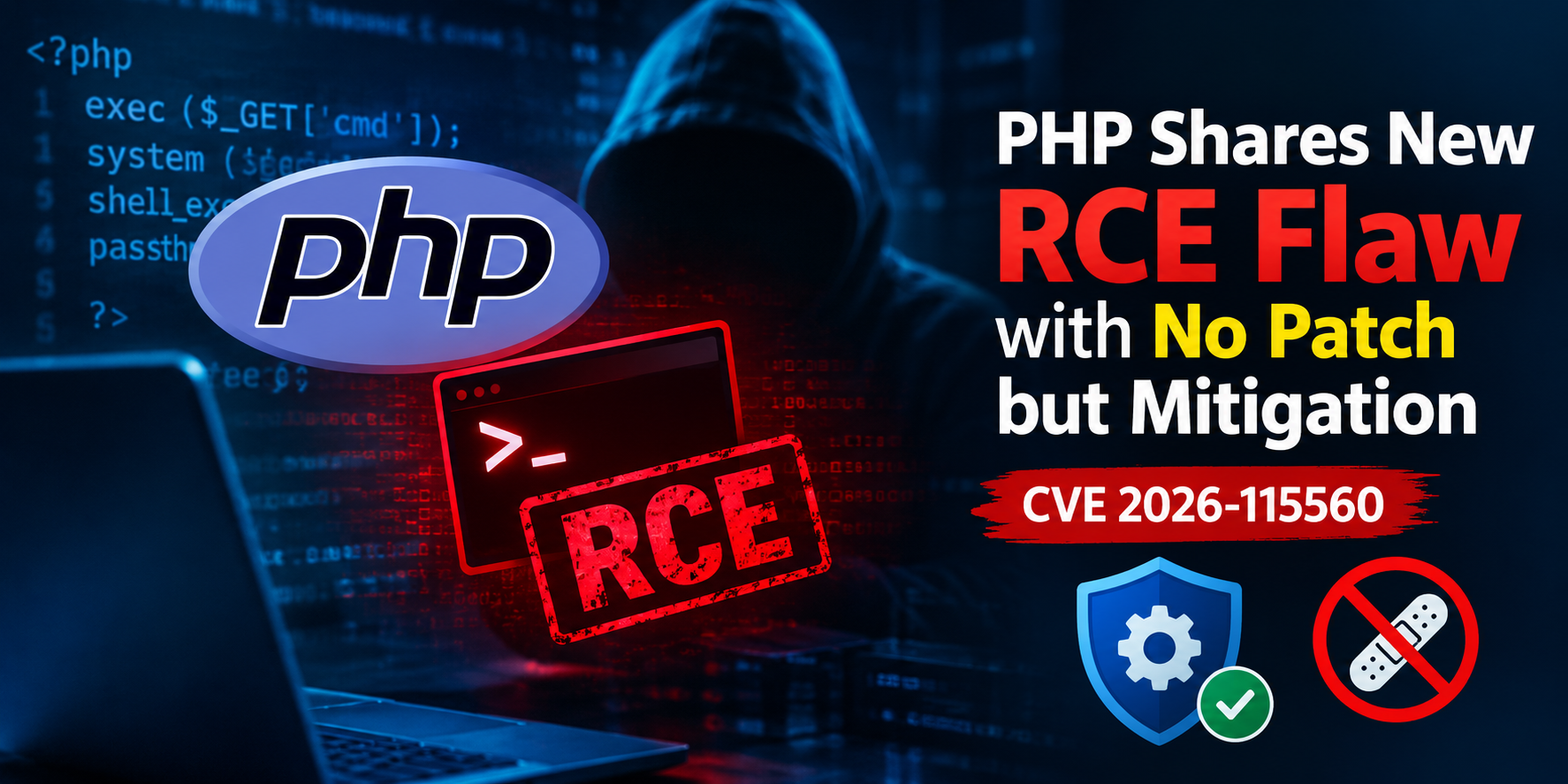
PHP shares new RCE flaw (CVE 2026-115560) with no patch but mitigation
US banks faced unauthorized access by AI agents in customer accounts: Axios reports

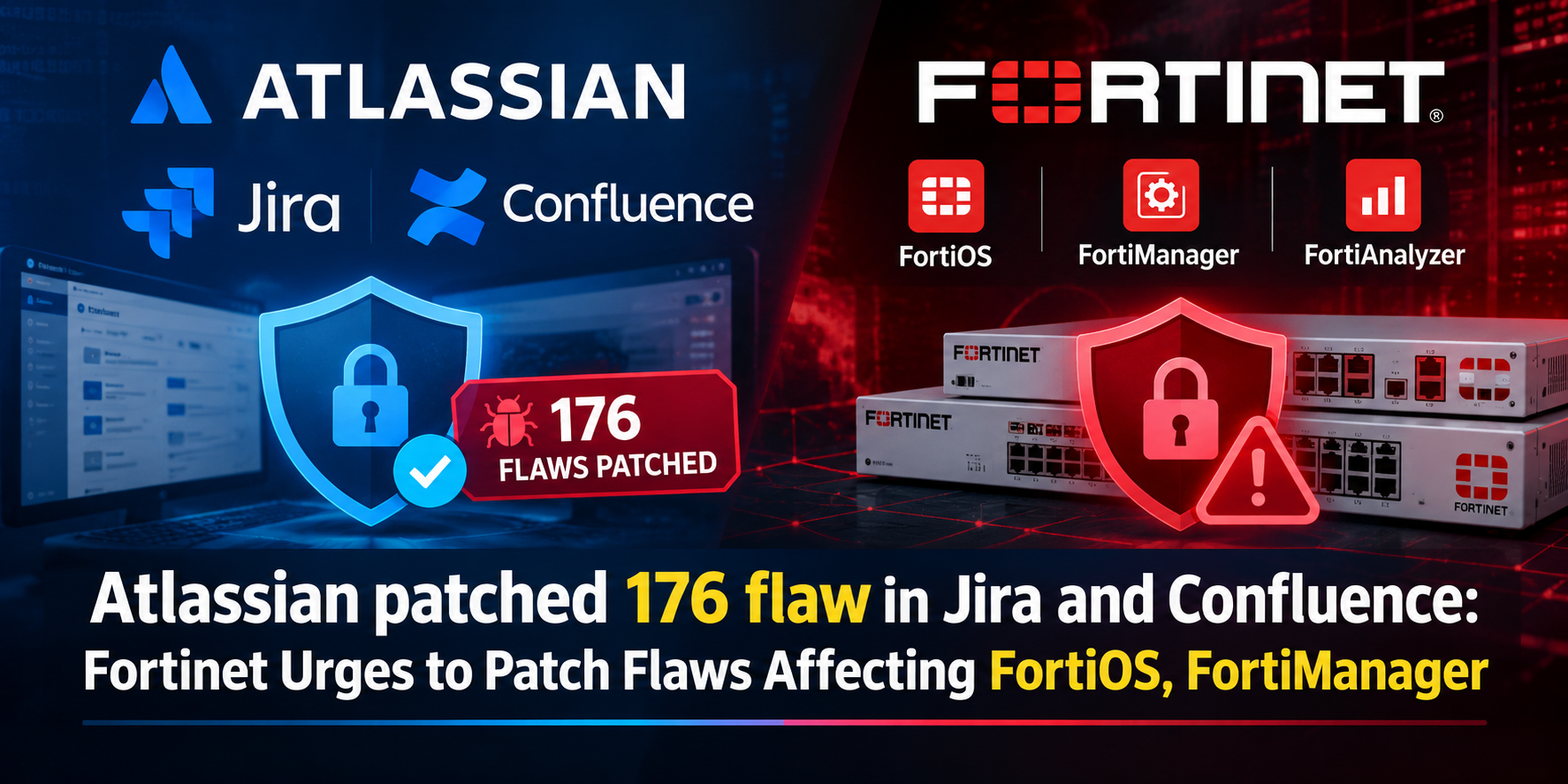
Atlassian patched 176 flaw in Jira and Confluence: Fortinet Urges to Patch Flaws Affecting FortiOS, FortiManager
Hacker claim to access Rajasthan Police data: 70,000 records allegedly exposed

Update now! PHP2Shell: Critical PHP vulnerabilities patched

The flaw is categorized as an SQL Injection (SQLi) vulnerability, formally identified as an “improper neutralization of special elements used in an SQL Command” (CWE-89).
| Version | Affected | Solution |
|---|---|---|
| FortiClientEMS 8.0 | Not affected | Not Applicable |
| FortiClientEMS 7.4 | 7.4.4 | Upgrade to 7.4.5 or above |
| FortiClientEMS 7.2 | Not affected | Not Applicable |
Gwendal Guégniaud from the Fortinet Product Security team discovered the vulnerability, and there is no evidence of it being exploited publicly as of now.
Security teams are advised to review their logs for suspicious HTTP requests targeting the EMS GUI and, where possible, isolate management interfaces from the public internet until the patch can be applied.
Impact of an Unauthenticated Remote Code Execution (RCE) Vulnerability
An unauthenticated Remote Code Execution (RCE) vulnerability is a serious security risk. If exploited, the impact can be severe:
Full System Compromise: Attackers can gain complete control over the compromised FortiClientEMS server.
Data Exfiltration: Sensitive organizational data, including client information, configuration files, and intellectual property, could be stolen.
Malware Deployment: The compromised server can be used as a beachhead to deploy ransomware, cryptominers, or other malicious software throughout the network.
Persistent Access: Attackers can establish backdoors to maintain access even after the initial vulnerability is patched.
Operational Disruption: Critical services managed by FortiClientEMS could be disrupted, leading to downtime and financial losses.