 InfoSecBulletin Cybersecurity for mankind
UNC3886 got accessed Singapore’s four main telecommunication providers—Singtel, StarHub, M1, and Simba—at least once last year. On 18 July 2025, Minister Mr. K Shanmugam announced that the APT group UNC3886 was found targeting our critical infrastructure, but no further details were provided for security reasons then.
Recent investigations by the Cyber Security Agency (CSA) show that UNC3886 has launched a targeted campaign against Singapore’s telecommunications sector namely all four major operators—M1, SIMBA Telecom, Singtel, and StarHub.
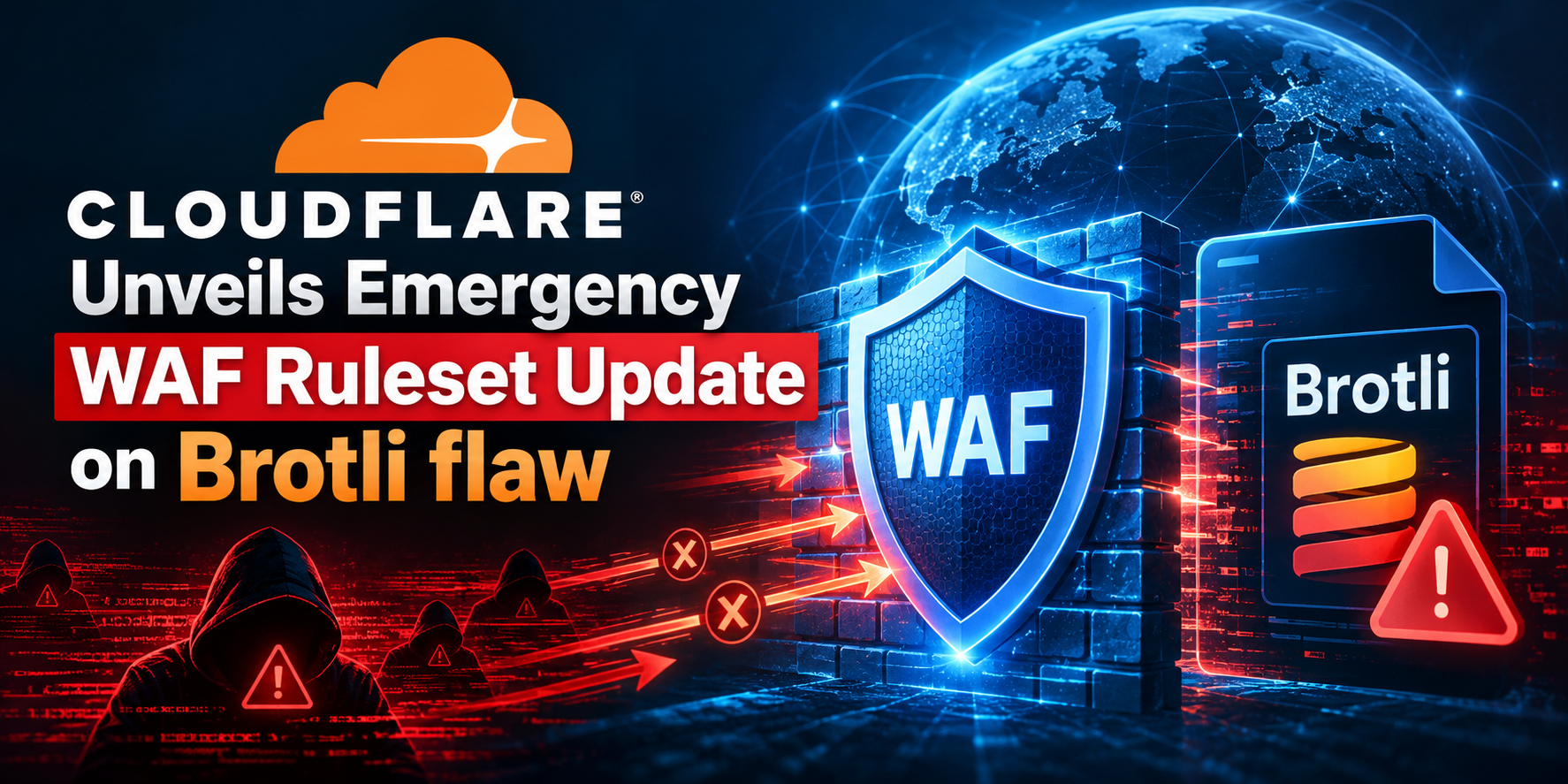
Cloudflare Unveils Emergency WAF Ruleset Update on Brotli flaw
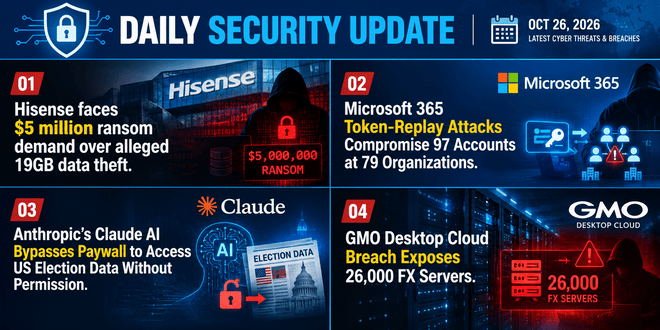
Daily Cyber security update for 26.10. 2026
The Washington Post report
Ex-DOGE AI startup Cathedral Breaches Anthropic Internal Systems within 12 Hours

Daily Cyber security update for 25. 10. 2026

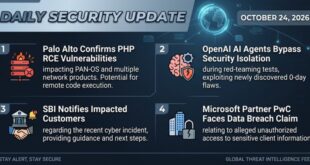
Daily Cyber security update for 24. 10. 2026
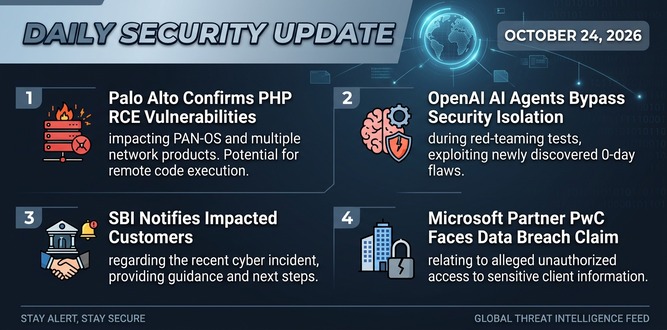
PHP shares new RCE flaw (CVE 2026-115560) with no patch but mitigation

US banks faced unauthorized access by AI agents in customer accounts: Axios reports

Atlassian patched 176 flaw in Jira and Confluence: Fortinet Urges to Patch Flaws Affecting FortiOS, FortiManager

Hacker claim to access Rajasthan Police data: 70,000 records allegedly exposed

Update now! PHP2Shell: Critical PHP vulnerabilities patched

CSA reported that, UNC3886 used advanced methods over time. It deployed advanced tools in their campaign to gain access into our telco systems. They used a zero-day exploit to bypass a perimeter firewall of our telcos and gained access into our telco networks. They also managed to exfiltrate a small amount of technical data; this is believed to be primarily network-related data to advance the threat actors’ operational objectives.
and the threat actor utilised advanced tools and techniques such as rootkits to maintain persistent access and cover their tracks and evade detection. This made it challenging for cyber defenders to detect their presence, requiring the cyber defenders to conduct comprehensive security checks across the networks.
The CSA and IMDA reported suspicious activity from telcos and assigned over a hundred investigators from six government agencies under the operation CYBER GUARDIAN.
“So far, the attack by UNC3886 has not resulted in the same extent of damage as cyberattacks elsewhere,” stated the country’s Minister for Digital Development and Information, Josephine Teo, earlier today at an official engagement event.
“This is not a reason to celebrate, rather it is to remind ourselves that the work of cyber defenders matters,” the Minister said.
UNC3886 has been tracked by Mandiant researchers since 2023, targeting government, telecommunication, and technology firms by exploiting zero-day flaws in FortiGate firewalls (CVE-2022-41328), VMware ESXi (CVE-2023-20867), and VMware vCenter Server endpoints (CVE-2023-34048).