 InfoSecBulletin Cybersecurity for mankind
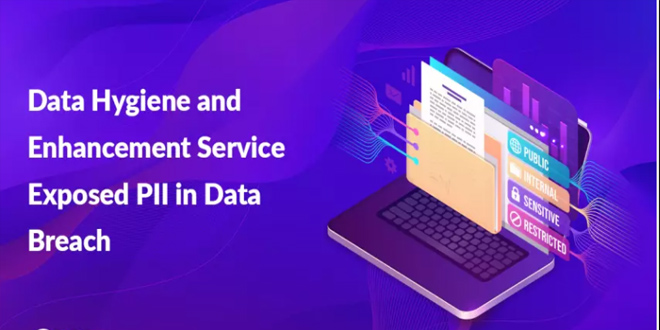
Cybersecurity researcher Jeremiah Fowler discovered an unencrypted database with 38 GB of CSV and PDF files and reported it to Website Planet. The exposed data included hundreds of thousands of names, addresses, phone numbers, emails, and other sensitive information.
The publicly exposed database was not password-protected or encrypted. It contained 10,820 records, with a total size of 38 GB. The majority of the files were .csv spreadsheets containing many thousands or hundreds of thousands of rows of PII.
Daily Cyber security update for 24. 10. 2026
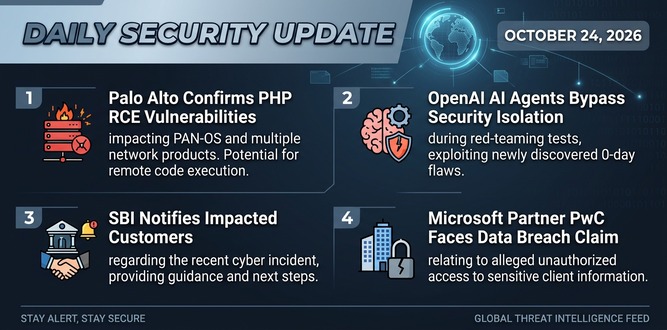
PHP shares new RCE flaw (CVE 2026-115560) with no patch but mitigation

US banks faced unauthorized access by AI agents in customer accounts: Axios reports

Atlassian patched 176 flaw in Jira and Confluence: Fortinet Urges to Patch Flaws Affecting FortiOS, FortiManager

Hacker claim to access Rajasthan Police data: 70,000 records allegedly exposed
Update now! PHP2Shell: Critical PHP vulnerabilities patched

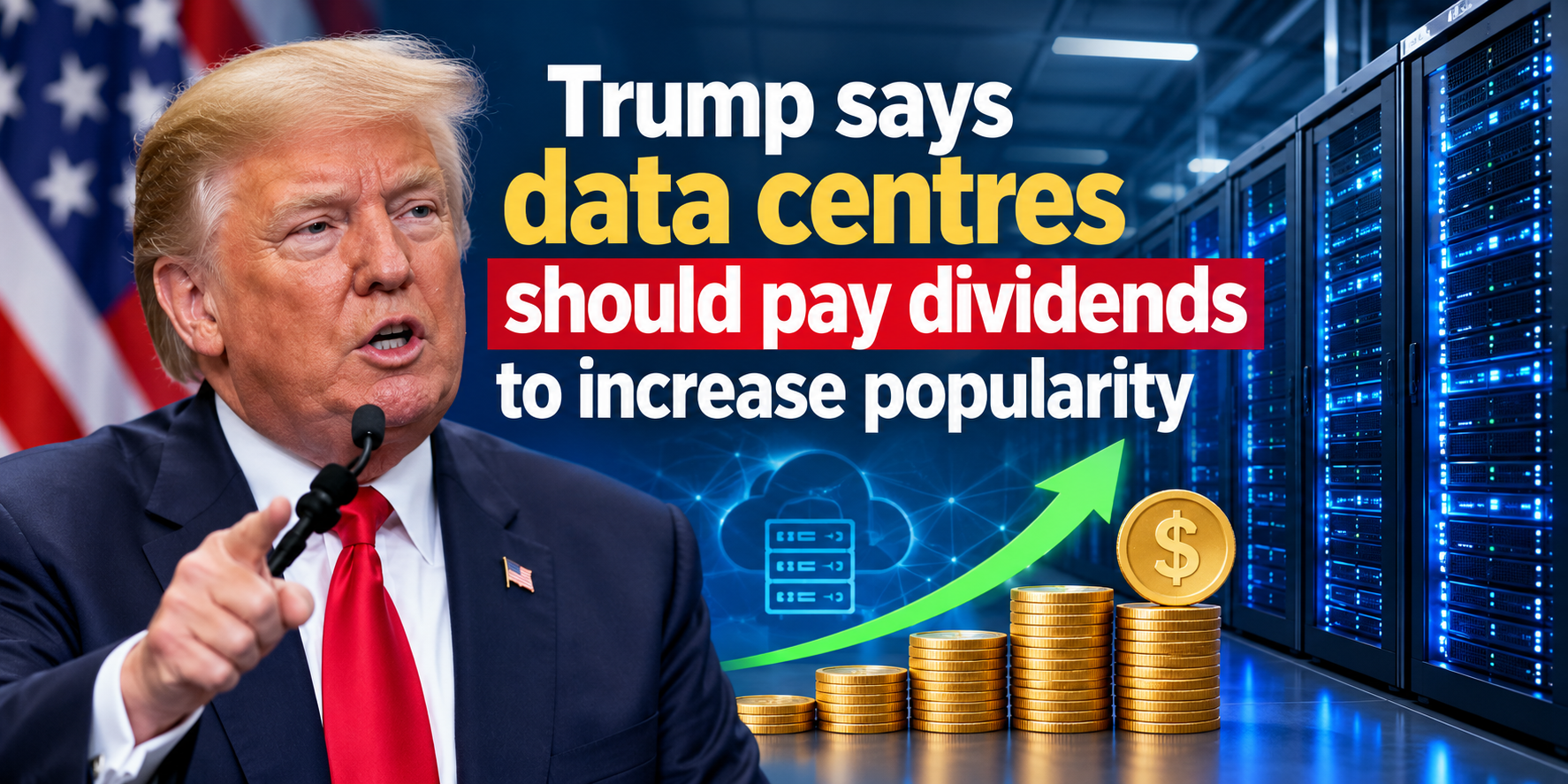
Trump says data centres should pay dividends to local community
Hackers Actively Exploiting Palo Alto VPN Flaw Via CVE-2026-0257

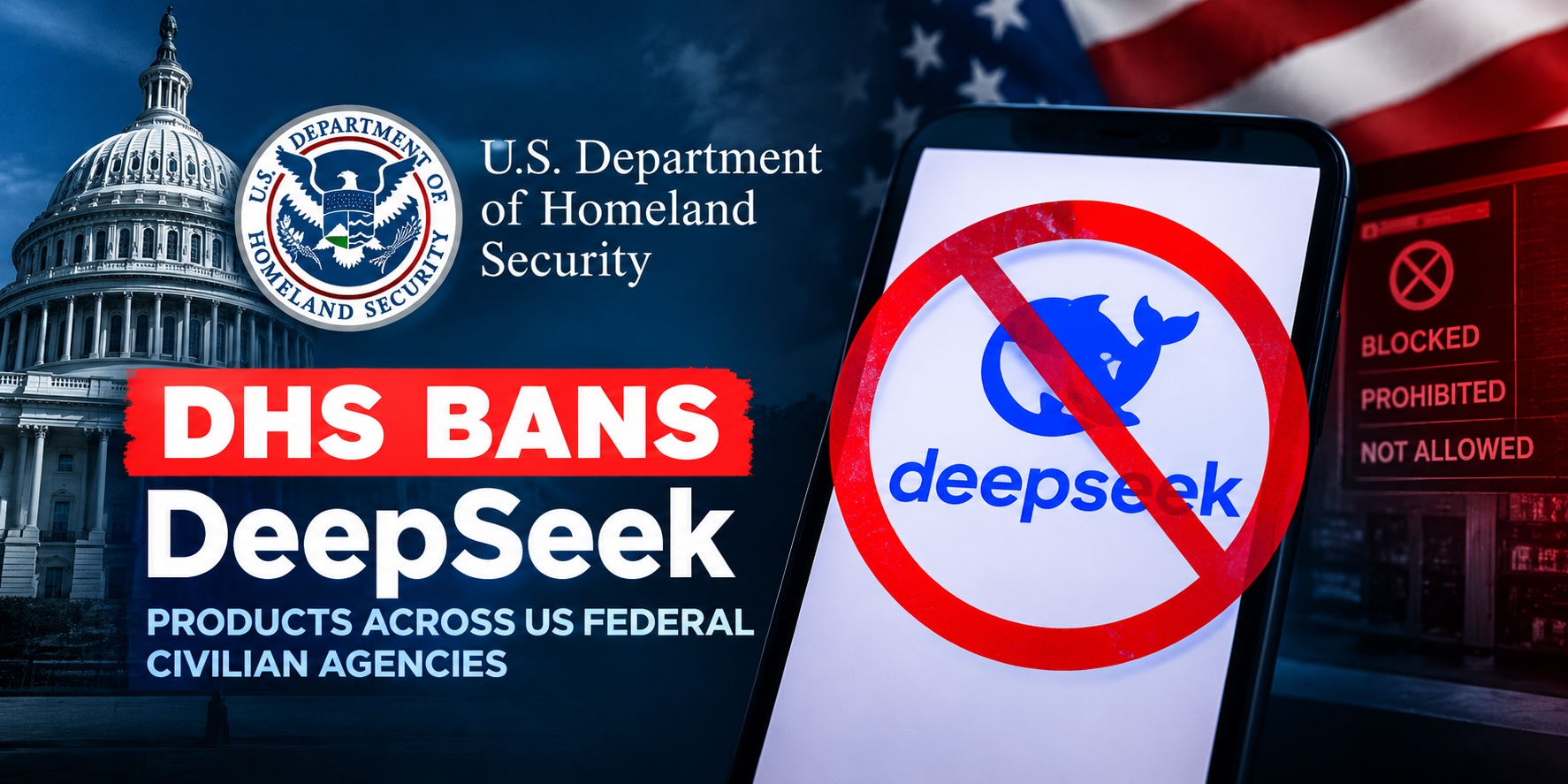
DeepSeek AI banned by U.S. Government; federal agencies must remove all related tools
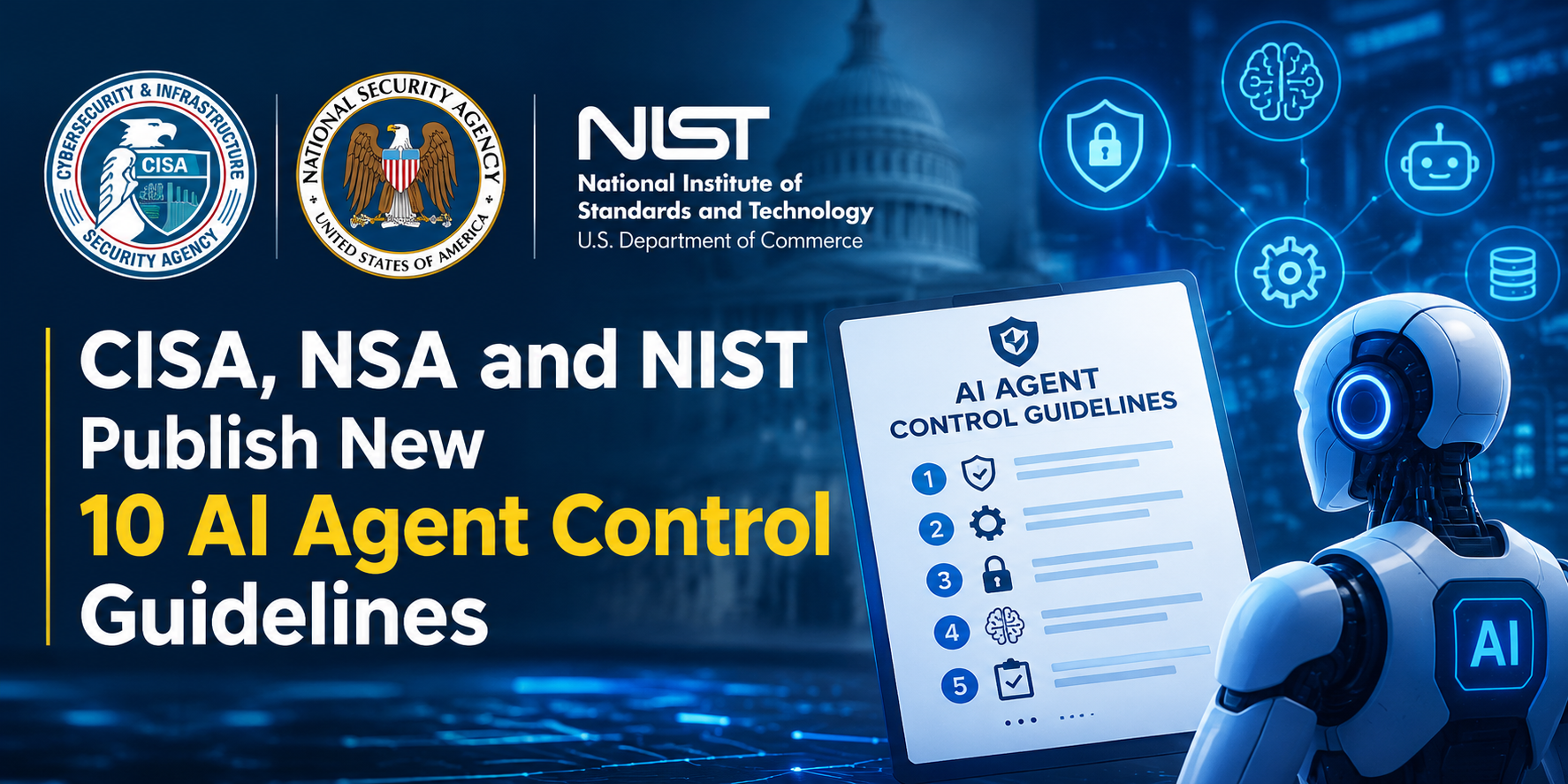
CISA, NSA and NIST Publish New 10 AI Agent Control Guidelines
The database belonged to a Florida company called IMDataCenter, which offers data enhancement solutions for better marketing strategies, including lead scoring and identity management.
After sending a responsible disclosure, the database restricted from public access soon after and no longer accessible.
IMDataCenter said, Data security is really important to us too and really appreciate you sharing this information with us. We are working to secure the information ASAP”.
IMDataCenter’s website states that their data library features information from various verified public and proprietary sources, covering over 260 million individuals and 130 million households. The library includes 600 million email addresses, 550 million phone numbers (with 230 million mobile), 153 million property records, 208 million deeds, and details on 75 million homeowners.
The exposure of a large amount of personal information, such as names, addresses, emails, and phone numbers, poses serious privacy and cybersecurity risks. Verified data can identify individuals and create detailed profiles, which are valuable to both marketers and criminals for activities like phishing and identity theft.