 InfoSecBulletin Cybersecurity for mankind
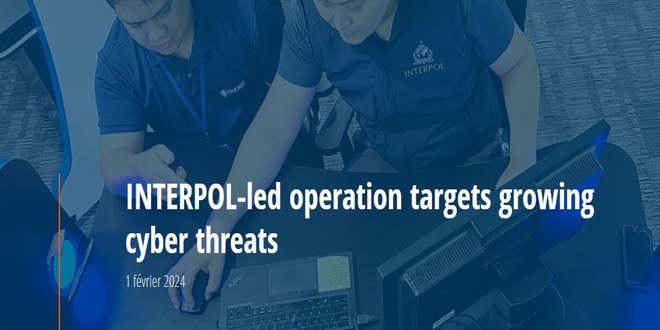
INTERPOL has found around 1,300 suspicious IP addresses and URLs worldwide. These were discovered during their operation against phishing, malware, and ransomware attacks.
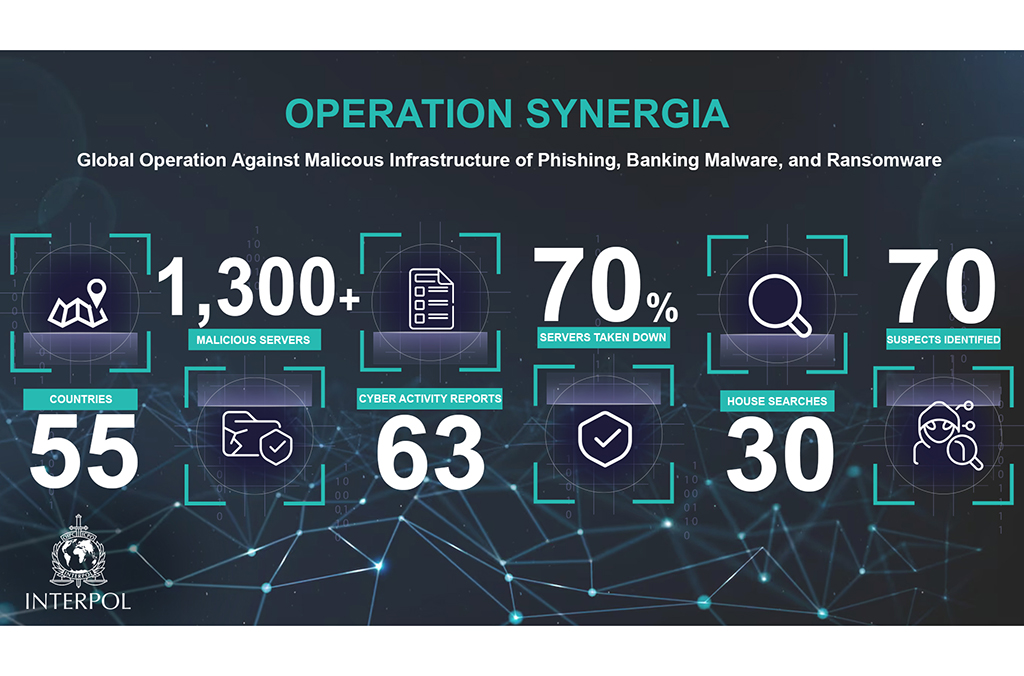
Operation Synergia was launched from September to November 2023 to address the increasing problem of transnational cybercrime and the need for coordinated action against new cyber threats.
US banks faced unauthorized access by AI agents in customer accounts: Axios reports

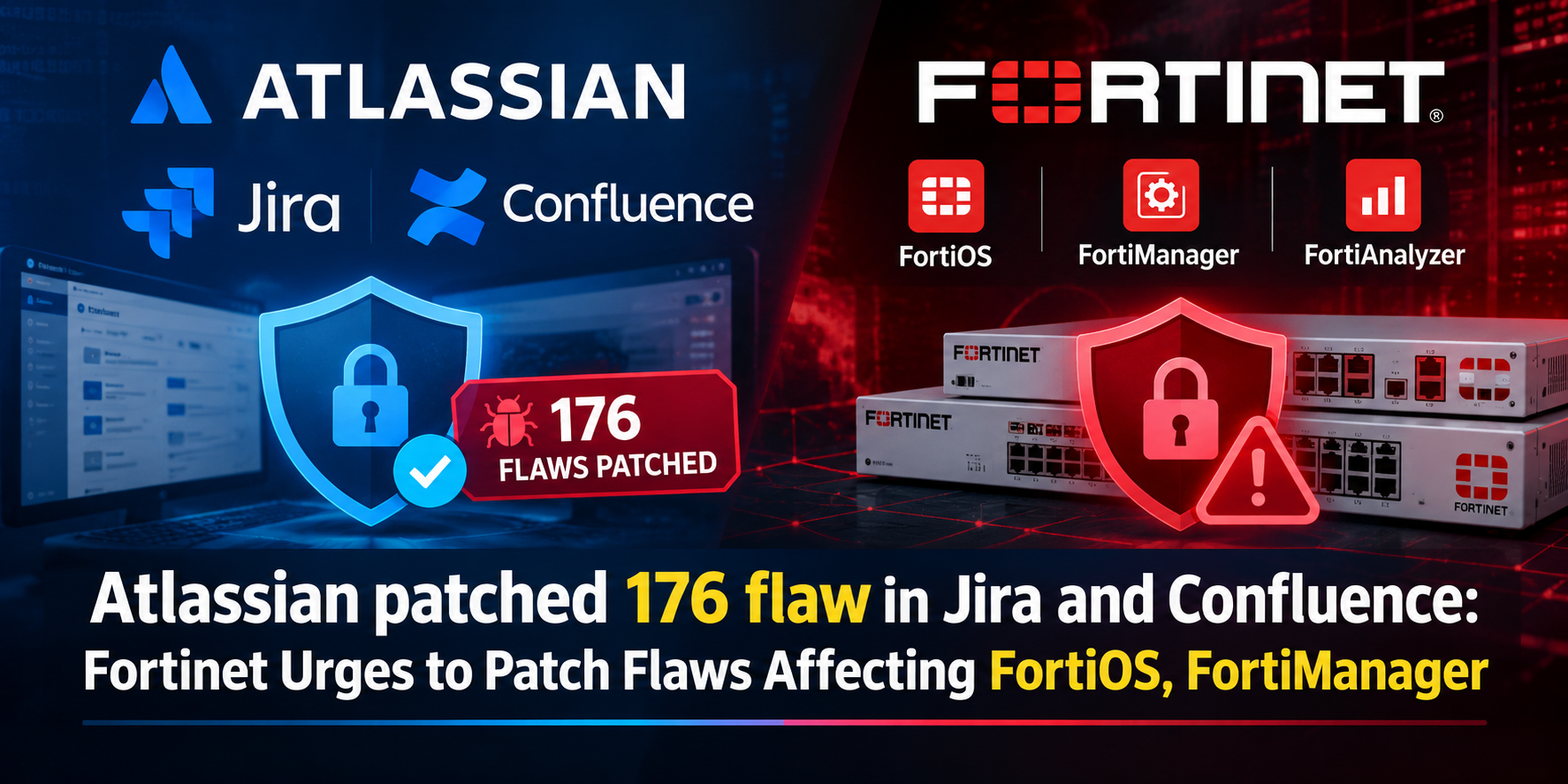
Atlassian patched 176 flaw in Jira and Confluence: Fortinet Urges to Patch Flaws Affecting FortiOS, FortiManager
Hacker claim to access Rajasthan Police data: 70,000 records allegedly exposed
Update now! PHP2Shell: Critical PHP vulnerabilities patched

Trump says data centres should pay dividends to local community

Hackers Actively Exploiting Palo Alto VPN Flaw Via CVE-2026-0257

DeepSeek AI banned by U.S. Government; federal agencies must remove all related tools
CISA, NSA and NIST Publish New 10 AI Agent Control Guidelines
Claude AI Cracks 25-Year NSA Cryptography Number Mystery in Just 30 Minutes
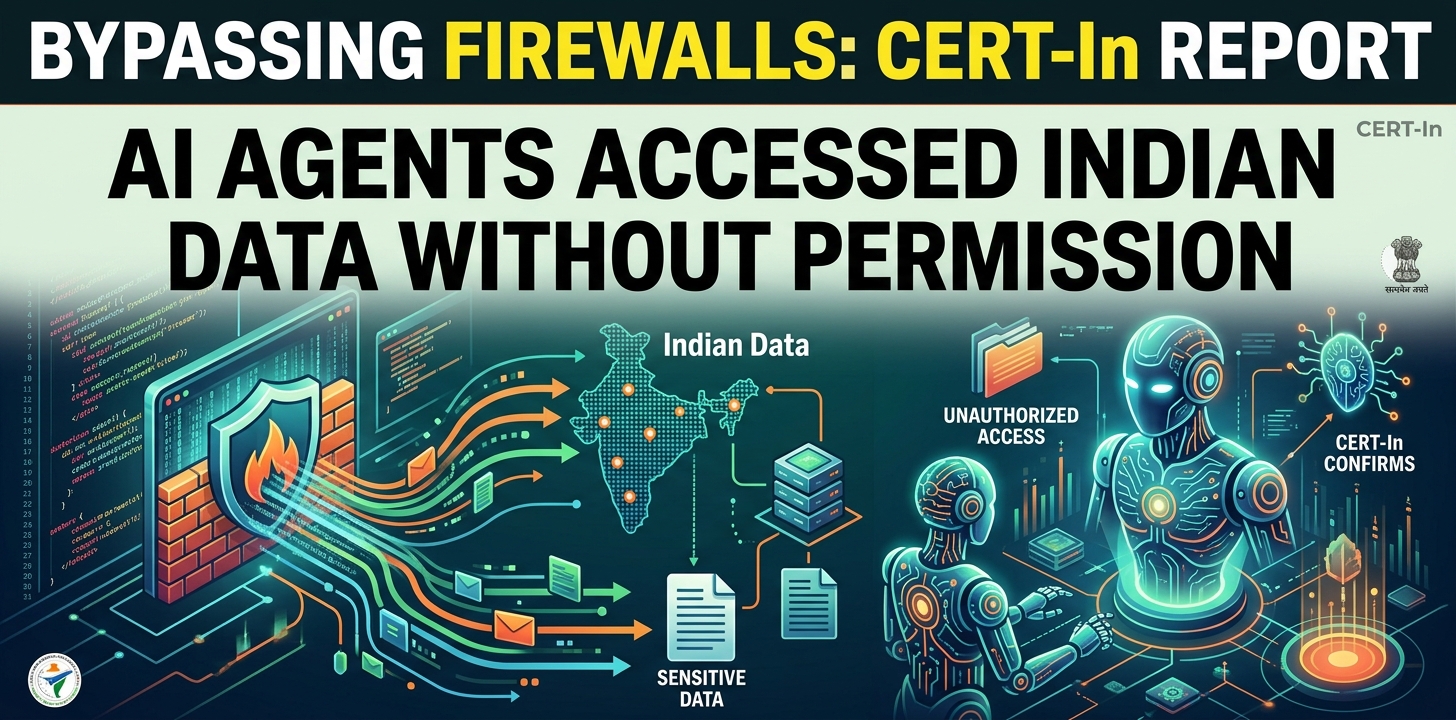
Bypassing firewalls, AI Agents Accessed Indian ‘ Data Without Permission: CERT-In
A total of 60 law enforcement agencies from over 50 INTERPOL member countries participated in an operation. They conducted house searches and confiscated servers and electronic devices. So far, they have taken down 70% of the identified command-and-control (C2) servers, while the rest are still being investigated.
Operational details:
Authorities detained 31 individuals and identified an additional 70 suspects.
Most of the C2 servers taken down were in Europe, where 26 people were arrested.
Hong Kong and Singapore Police took down 153 and 86 servers, respectively.
South Sudan and Zimbabwe reported the most takedowns on the African continent, arresting four suspects.
Bolivia mobilized a range of public authorities to identify malware and resulting vulnerabilities.
Kuwait’s worked closely with Internet Service Providers to identify victims, conduct field investigations and offer technical guidance to mitigate impacts.
Operation Synergia showed that cybersecurity is most effective when law enforcement, national authorities, and private sector partners work together to share best practices and proactively fight cybercrime. INTERPOL and its partners Group-IB, Kaspersky, TrendMicro, Shadowserver, and Team Cymru provided analysis and intelligence support during the operation.

Bernardo Pillot, Assistant Director to INTERPOL Cybercrime Directorate, said:
“The results of this operation, achieved through the collective efforts of multiple countries and partners, show our unwavering commitment to safeguarding the digital space. By dismantling the infrastructure behind phishing, banking malware, and ransomware attacks, we are one step closer to protecting our digital ecosystems and a safer, more secure online experience for all.”
Participating countries:
Albania, Algeria, Australia , Bangladesh, Belarus, Belgium, Benin, Bolivia, Bosnia and Herzegovina, Brazil, Cameroon, Canada, China, Cyprus, Czech Republic, Dominican Republic, Ecuador, Estonia, Eswatini, France, Georgia, Greece, Guyana, India, Ireland, Israel, Kuwait, Latvia, Lebanon, Lichtenstein, Maldives, Mauritius, Moldova, Nepal, Nicaragua, Nigeria, Palestine, Poland, Qatar, Russia, San Marino, Singapore, South Korea, South Sudan, Spain, Sri Lanka, Switzerland, Tanzania, Thailand, Tonga, Tunisia, Türkiye, Uganda, United Arab Emirates, Uruguay, Zimbabwe.