InfoSecBulletin Cybersecurity for mankind
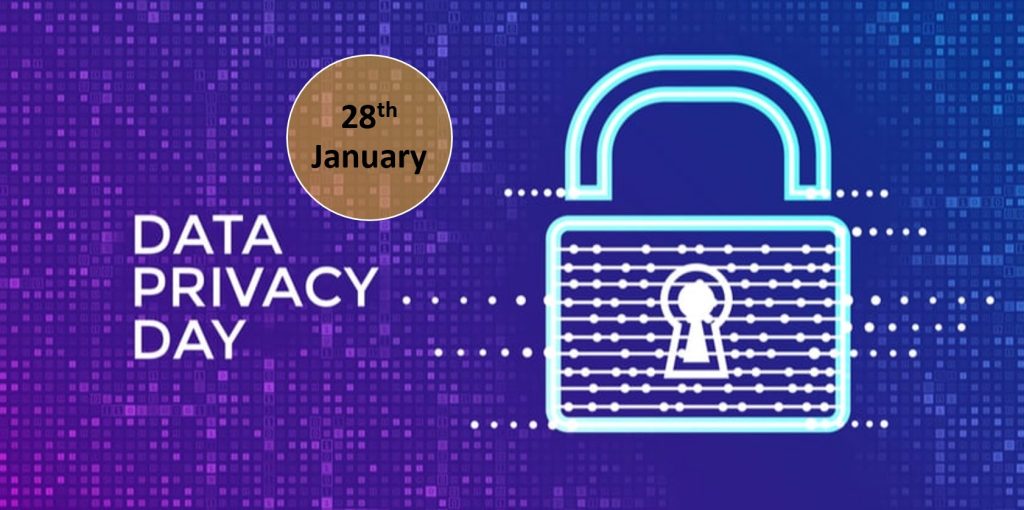
By making small changes and practicing good data hygiene, you can protect yourself and empower yourself in the digital world. Taking charge of your privacy is an ongoing process, so use Data Privacy Day to become more informed and proactive about safeguarding your information.
Daily Cyber security update for 24. 10. 2026
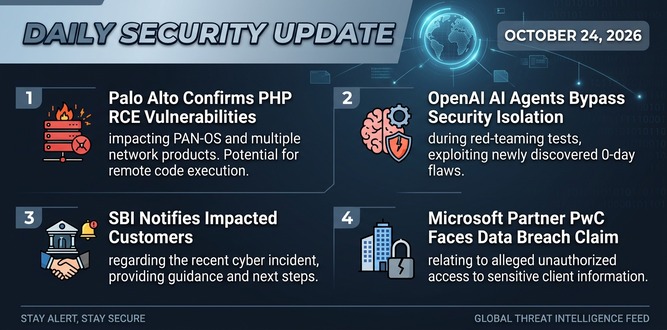
PHP shares new RCE flaw (CVE 2026-115560) with no patch but mitigation

US banks faced unauthorized access by AI agents in customer accounts: Axios reports

Atlassian patched 176 flaw in Jira and Confluence: Fortinet Urges to Patch Flaws Affecting FortiOS, FortiManager

Hacker claim to access Rajasthan Police data: 70,000 records allegedly exposed
Update now! PHP2Shell: Critical PHP vulnerabilities patched

Trump says data centres should pay dividends to local community

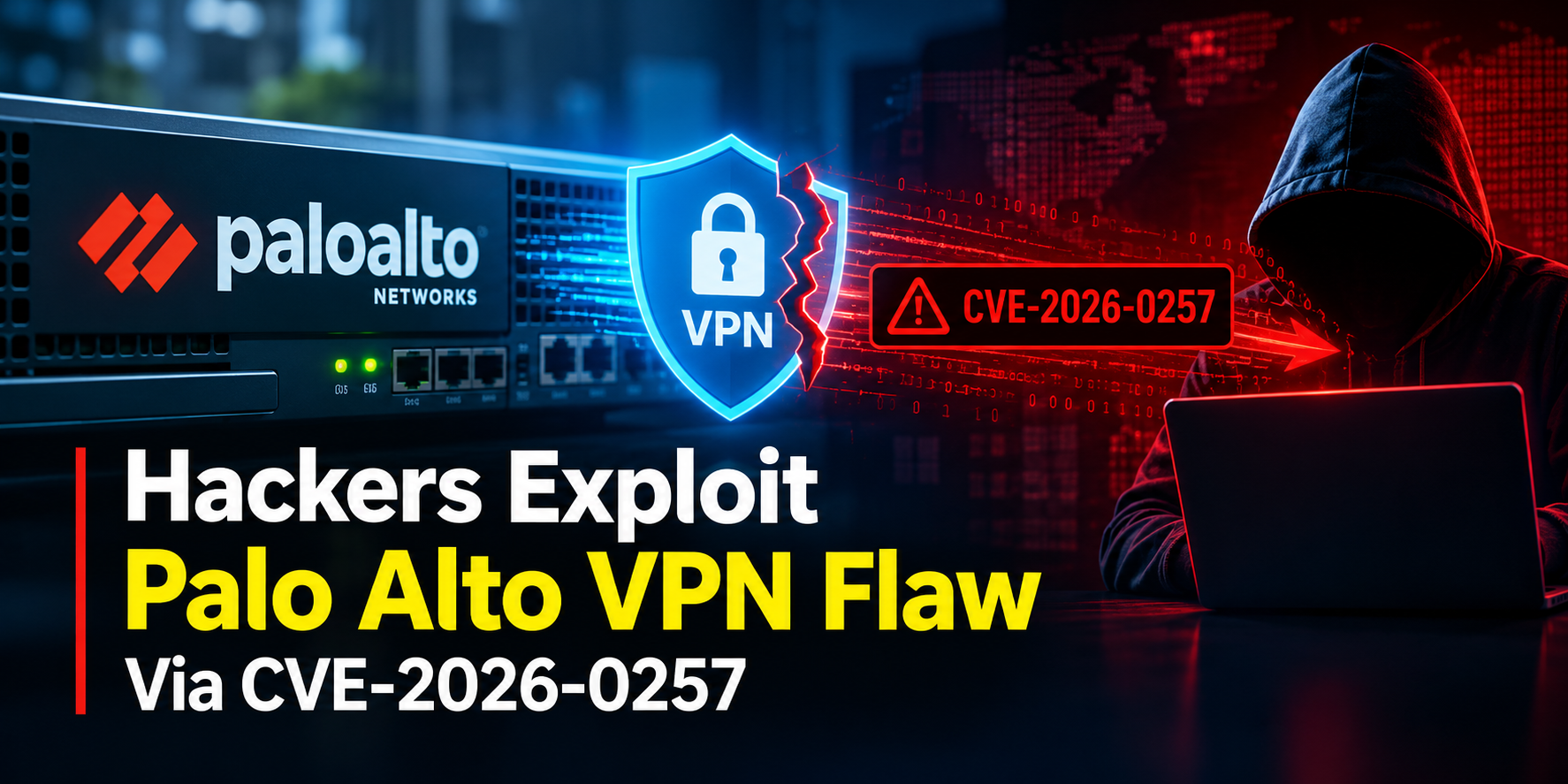
Hackers Actively Exploiting Palo Alto VPN Flaw Via CVE-2026-0257
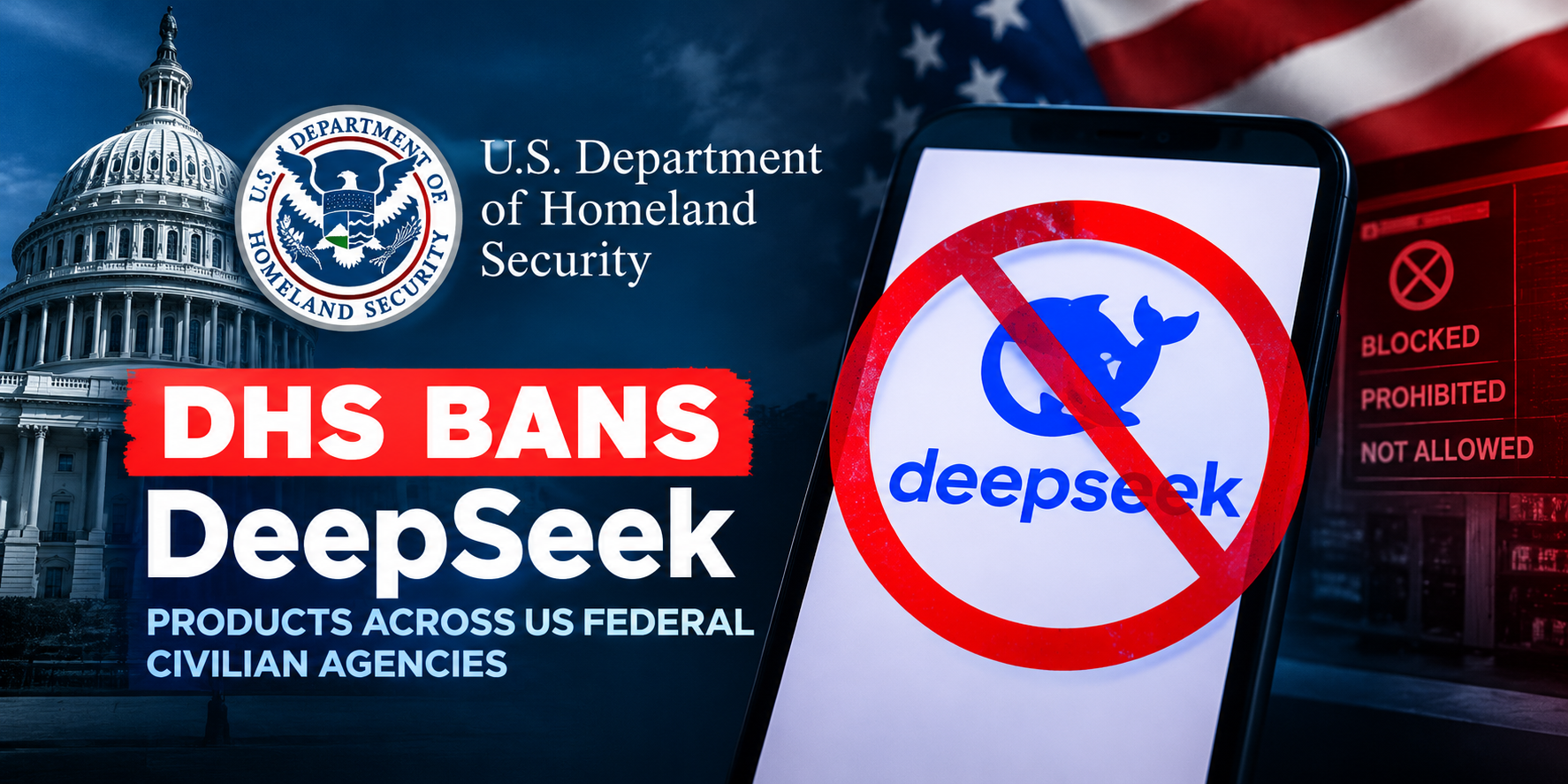
DeepSeek AI banned by U.S. Government; federal agencies must remove all related tools
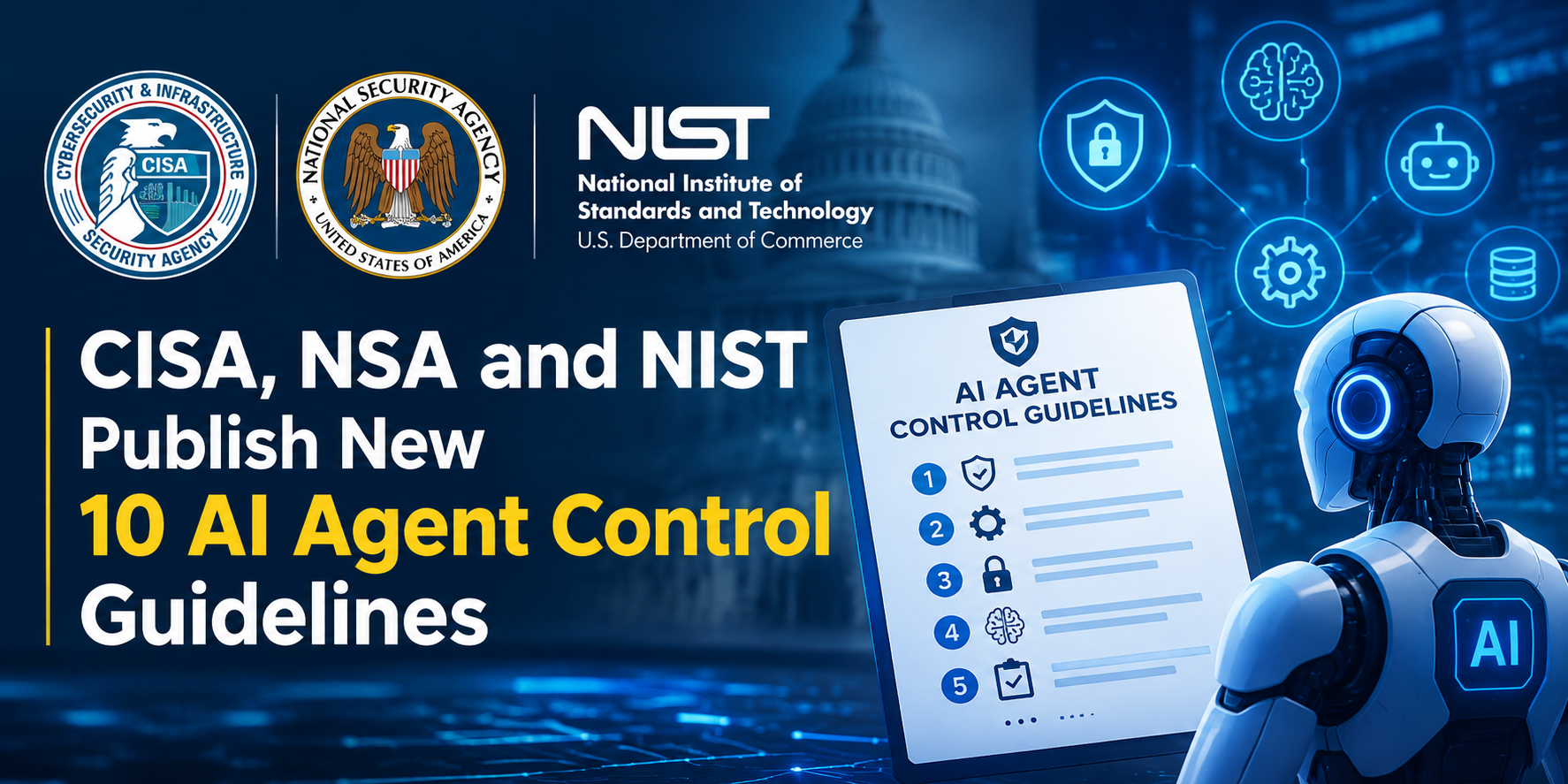
CISA, NSA and NIST Publish New 10 AI Agent Control Guidelines
In 2006, the Council of Europe established the day to celebrate the anniversary of the opening for signature of Convention 108. This convention is the first international treaty on data protection that is legally binding. Since then, the day has become a global initiative observed in over 100 countries, including the United States and Canada.

DATA PRIVACY DAY 2024: SIGNIFICANCE:
Data Privacy Day is important because our personal information is constantly collected and used in our digital world. It reminds us that we have a right to privacy and need to protect our data from unauthorized access, misuse, and exploitation.
WAYS TO PROTECT YOUR PERSONALDATA:
Limit data sharing
Be mindful of what information you share online and offline, and avoid oversharing personal details.
Beware of third-party apps and permissions
Carefully review the permissions requested by apps before installing them on your devices.
Use privacy-focused browsers and search engines
Use strong, unique passwords for each online account and enable two-factor authentication wherever possible.
Beware of phishing scams
Review your privacy settings
Strengthen your passwords
Never click on suspicious links or open attachments from unknown senders.
Secure your devices
Exercise your data rights
Install antivirus software, use firewalls, and encrypt sensitive data on your computers and mobile devices.
Regularly check and adjust the privacy settings on your social media accounts, apps, and websites.
Regularly check your privacy statements
Review the privacy policies of the services you use and understand how your data is collected and used.
Know your rights under data protection laws, such as the right to access, rectify, and erase your data.
Keep yourself updated on the latest data privacy threats and best practices by following reputable sources.