 InfoSecBulletin Cybersecurity for mankind
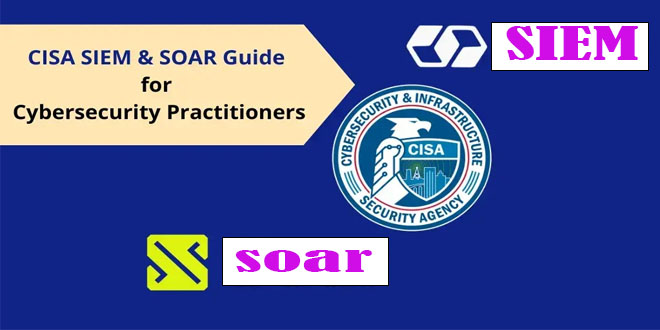
CISA and ACSC issued new guidance this week on how to procure, implement, and maintain SIEM and SOAR platforms. SIEM and SOAR help organizations analyze data from firewalls, endpoints, and applications to improve detection and response to cybersecurity incidents. However, many face implementation challenges due to high costs and ongoing maintenance, as these tools require continuous management.
Organizations increasingly rely on these platforms to manage vast amounts of sensitive data, like personal and health information, which attract attackers. Additionally, growing infrastructure complexity creates visibility gaps, making it harder to detect threats. More endpoints, applications, third-party vendors, and remote workers present more opportunities for attackers.
Hacker claim to access Rajasthan Police data: 70,000 records allegedly exposed
Update now! PHP2Shell: Critical PHP vulnerabilities patched

Trump says data centres should pay dividends to local community

Hackers Actively Exploiting Palo Alto VPN Flaw Via CVE-2026-0257
DeepSeek AI banned by U.S. Government; federal agencies must remove all related tools
CISA, NSA and NIST Publish New 10 AI Agent Control Guidelines
Claude AI Cracks 25-Year NSA Cryptography Number Mystery in Just 30 Minutes

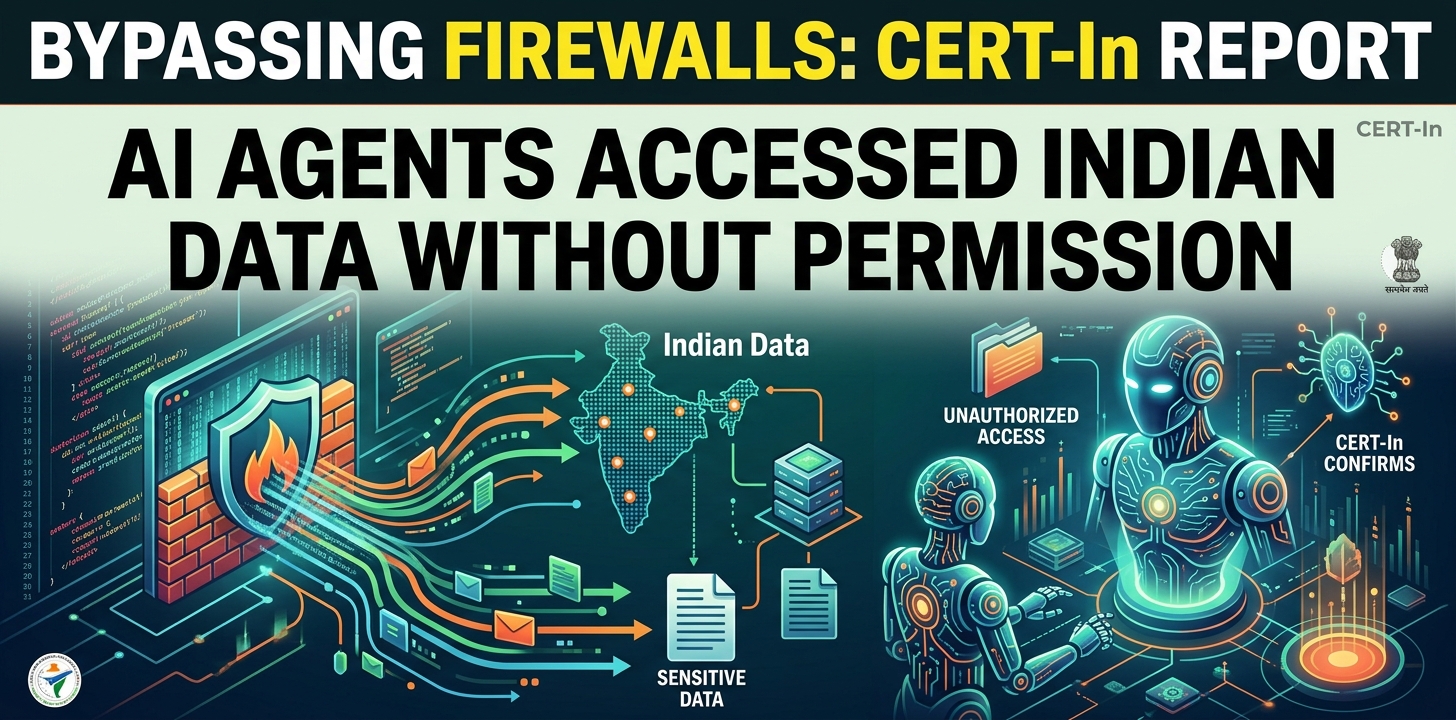
Bypassing firewalls, AI Agents Accessed Indian ‘ Data Without Permission: CERT-In
MITRE ATT&CK v20 Unveils 9 New Attack Techniques On AI Exploits, MFA Bypass, and CAPTCHA Evasion
Hackers Exploit Fortinet Flaws to Deploy Stealthy PEERSTITCH Malware on FortiGate Firewalls

Outlining Best Practices:
Implementation is a complex, ongoing process that requires skilled personnel. The guidance highlights two key challenges for security teams: ensuring alerts are sent only during actual cybersecurity incidents, and making sure SIEMs are accurately implemented before using a SOAR platform. Accurate alerts are essential as time is crucial when responding to threats.
Organizations should identify “potential hidden costs across different products” when assessing implementation expenses. Hidden costs arise from the data security teams input into platforms, as vendor pricing often depends on data ingestion. Ongoing costs, such as training, should also be considered.
Performance testing is also essential.
Organizations can have better control over their SOAR and SIEM implementation by handling it in-house, as this allows for a deeper understanding of their network and business processes. Outsourcing may lead to visibility gaps, duplicated work, and communication issues.
Importance of Establishing Baselines:
The guidance offers specific recommendations for security practitioners. A key step is to establish a “baseline of business as usual” network activity. This helps platforms recognize normal operations in an organization, allowing them to accurately detect and respond to threats. Practitioners should assess the tools and software in use, account behavior, network traffic, and system communications.
Similar guidance applies to baseline logging and application standards. It’s crucial to define the implementation scope to prioritize high-risk areas.
Steve Wilson, chief AI and product officer at Exabeam, notes that the guidance lacks consideration of artificial intelligence (AI). He highlights that all threat actors, including nation-states, utilize advanced AI models to automate phishing and identity vulnerabilities.
“The biggest improvement [to the guidance] would be recognizing we’re now in an AI arms race in cybersecurity,” Wilson says. “Modern SOCs can’t rely on human triage and basic correlation rules anymore. They need more advanced techniques, not just for anomaly detection, but for automating investigations, guiding responses, and leveling the playing field against adversaries who are moving faster than ever.”