InfoSecBulletin Cybersecurity for mankind

Palo Alto Networks has revealed a serious flaw in PAN-OS. It may let a remote attacker without a password run any code with full control on affected PA-Series hardware firewalls. Tracked as CVE-2026-0310, the flaw is in XML processing, and the seller says it is very urgent. The weakness is a buffer overflow, labeled as CWE-787 (out-of-bounds write).
An attacker who can access a weak management web interface or dataplane interface might send specific XML data to cause the flaw.
Hackers Actively Exploiting Palo Alto VPN Flaw Via CVE-2026-0257

DeepSeek AI banned by U.S. Government; federal agencies must remove all related tools

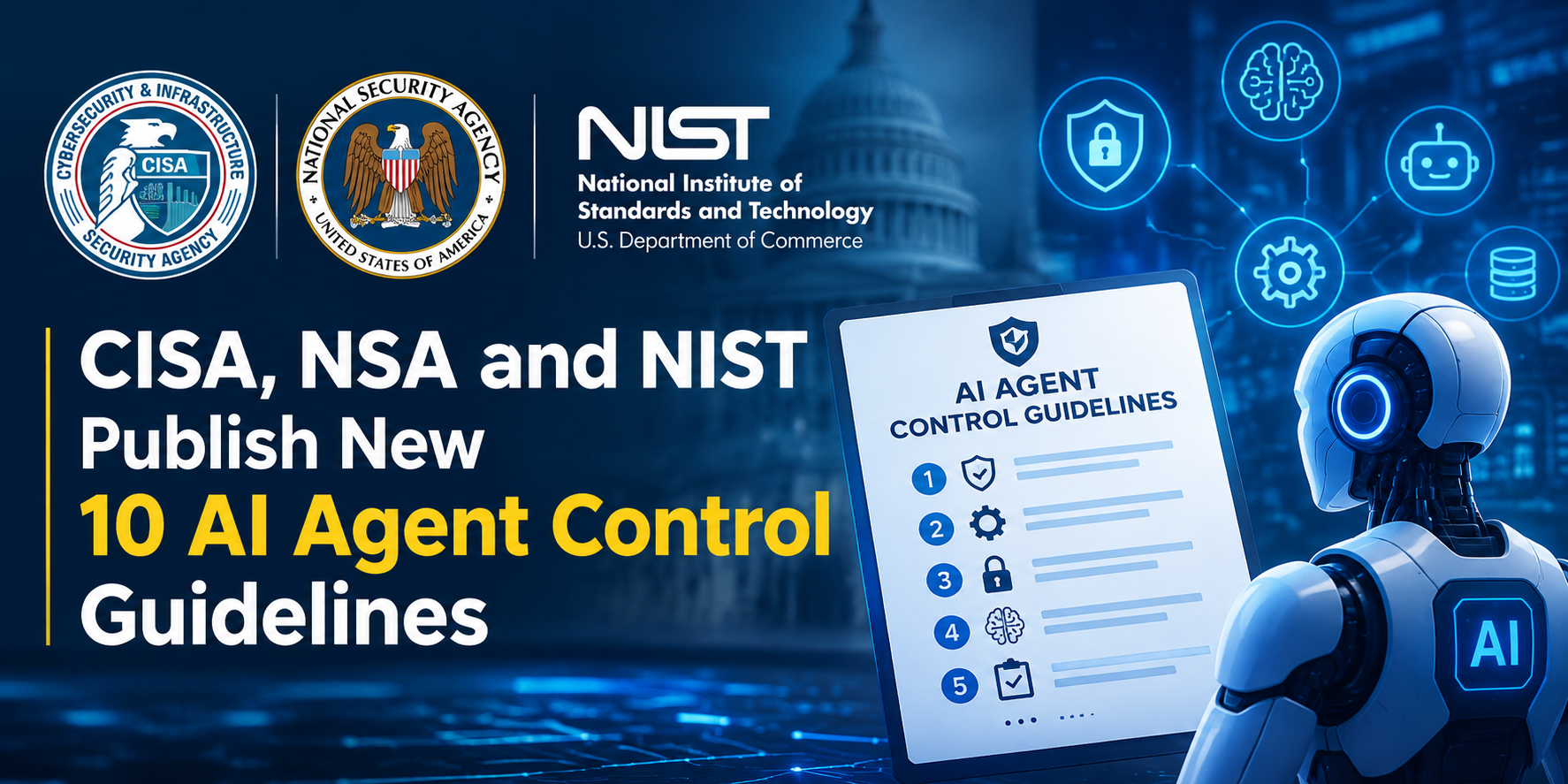
CISA, NSA and NIST Publish New 10 AI Agent Control Guidelines
Claude AI Cracks 25-Year NSA Cryptography Number Mystery in Just 30 Minutes

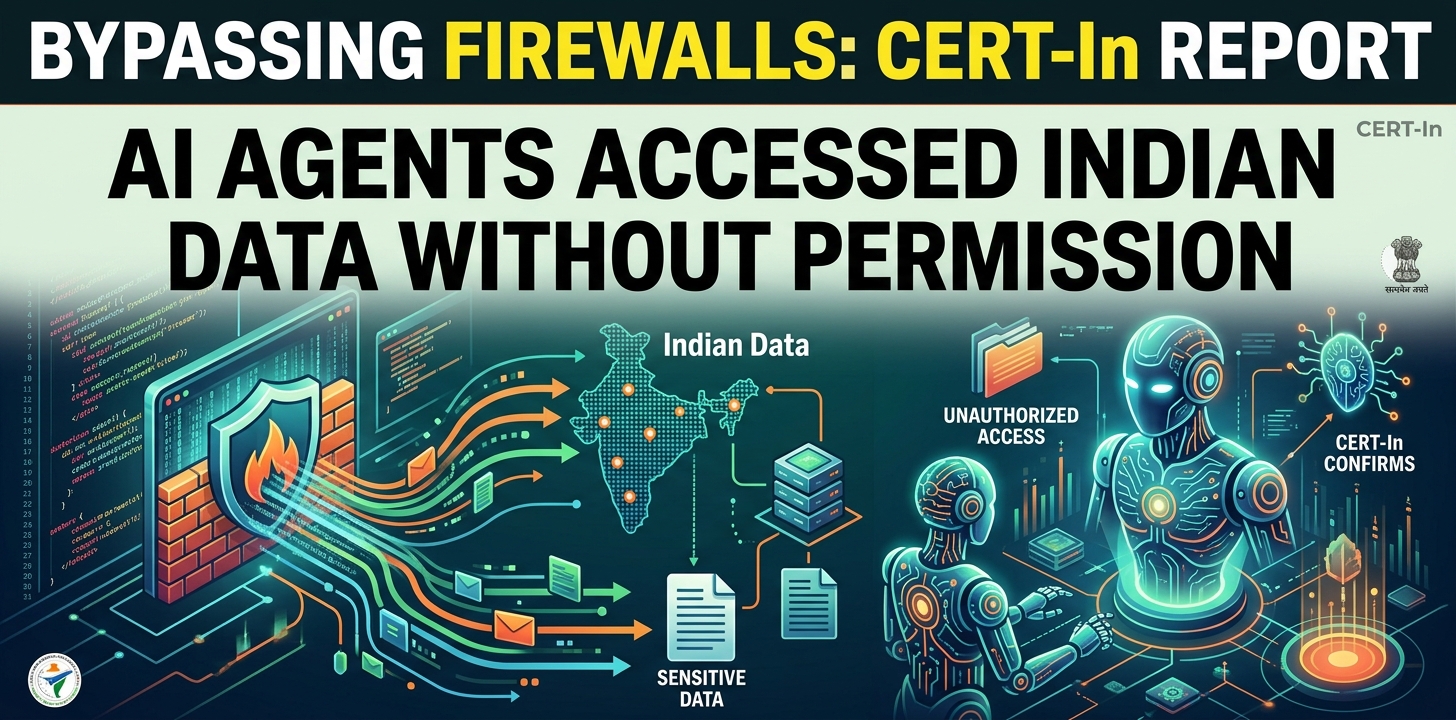
Bypassing firewalls, AI Agents Accessed Indian ‘ Data Without Permission: CERT-In
MITRE ATT&CK v20 Unveils 9 New Attack Techniques On AI Exploits, MFA Bypass, and CAPTCHA Evasion

Hackers Exploit Fortinet Flaws to Deploy Stealthy PEERSTITCH Malware on FortiGate Firewalls

Hacker stole Meta GitHub repos; Stole Source Code

Urgent patch! Zoom,NVIDIA and IBM Patch 41 Security flaws

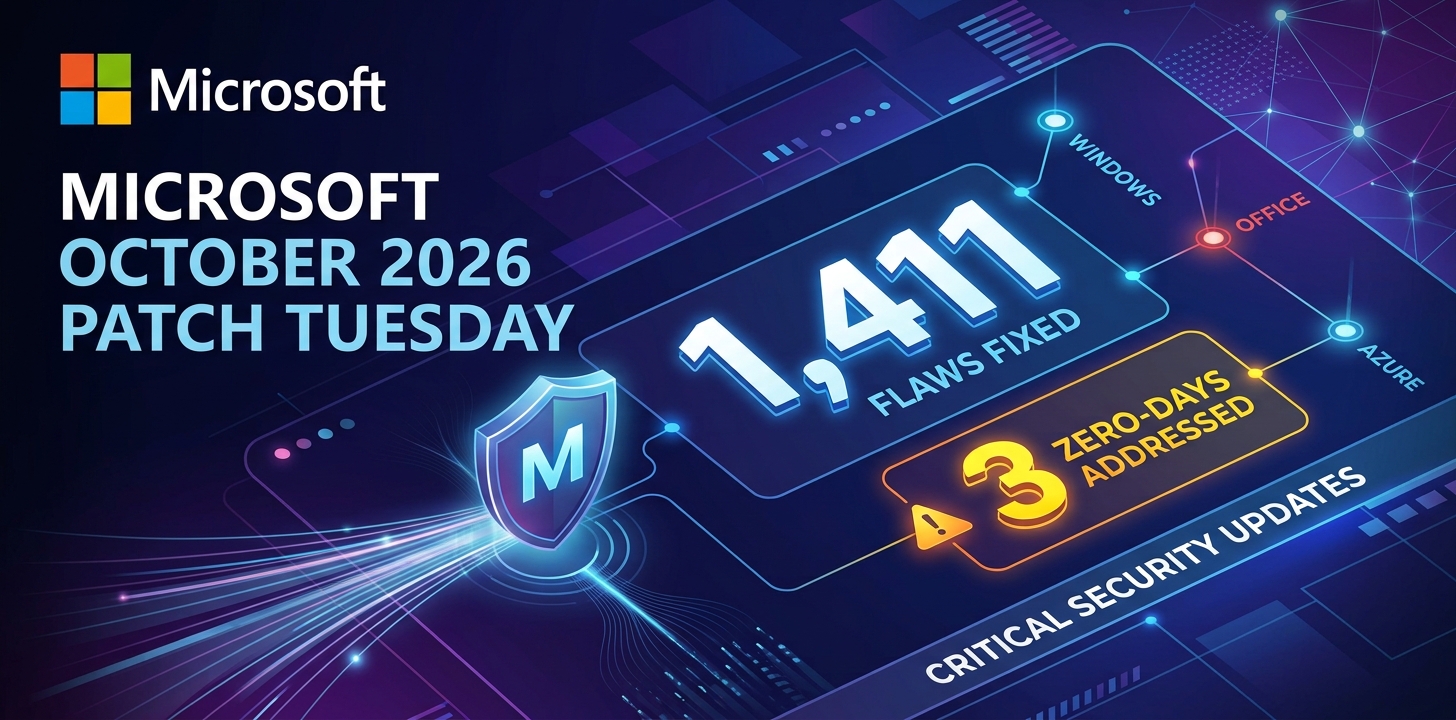
Microsoft patches record braking 1411 flaws; 2 zero days
Exploiting PA-Series devices can allow attackers to run any code as the root user. This gives them full control over the firewall system. Running code as root on a company’s firewall is a big security problem.
A hacker might change security rules, look at or change network traffic, set up ways to stay in the system, take configuration data, or use the hacked device to attack internal systems.
Palo Alto PAN-OS Vulnerability
The flaw does not need users to log in or do anything. However, it is rated as very complex. Palo Alto Networks gave CVE-2026-0310 a CVSS-BT score of 7.2 and a CVSS-B base score of 9.2 for the PA-Series firewalls that are affected.
The seller said that the biggest risk is with physical firewall devices because a problem can let a hacker take control. The effect varies among Palo Alto Networks products. On weak VM-Series firewalls, the worst outcome is just a denial-of-service issue, not code control.
A successful attack could cause the virtual firewall to fail or be disrupted. This would impact traffic checking and availability. Prisma Access and Cloud NGFW setups would also be affected.
However, Palo Alto Networks considers the risk lower because exploitation requires an authenticated user and external network access is more restricted.
Affected PAN-OS versions are those before 12.2.3, 12.1.10, 11.2.13-h2, 11.1.16-h2, and 10.2.18-h10, based on the release group. Many maintenance updates in the 10.2, 11.1, 11.2, and 12.1 groups are also at risk.
Organizations must upgrade right away to the correct fixed version. Palo Alto Networks suggests using PAN-OS 12.2.3 or newer for the 12.2 branch.
No fix is available. But, organizations can lower risk by making sure that firewall management tools are not accessible from unsafe networks.
Palo Alto Networks suggests limiting management access to trusted internal IP addresses. If possible, use a jump box for administration. The company found CVE-2026-0310 on its own and, as of September 9, 2026, is not aware of any bad use of it.