InfoSecBulletin Cybersecurity for mankind
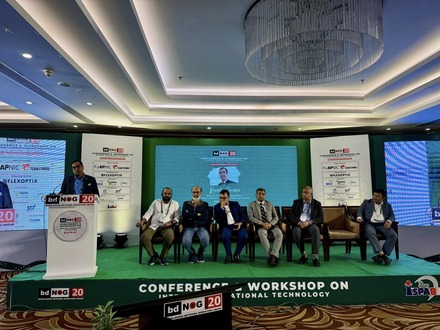
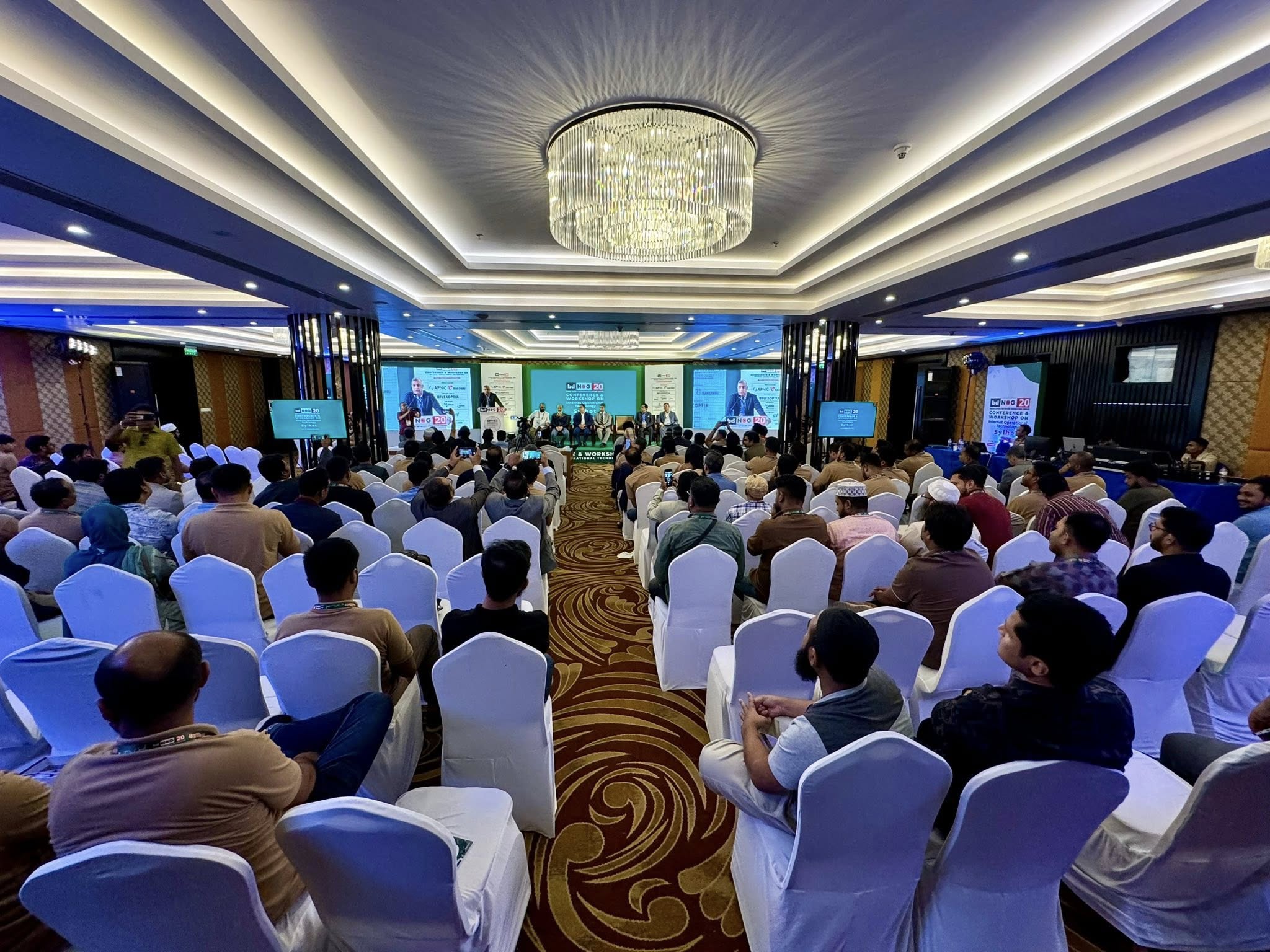
bdNOG 20th conference successfully held in Sylhet with huge number of participations from home and abroad. The 4 days conference include technical session, keynote speech Q&A and so on Co-hosted by Internet service provider of Bangladesh (ISPAB).
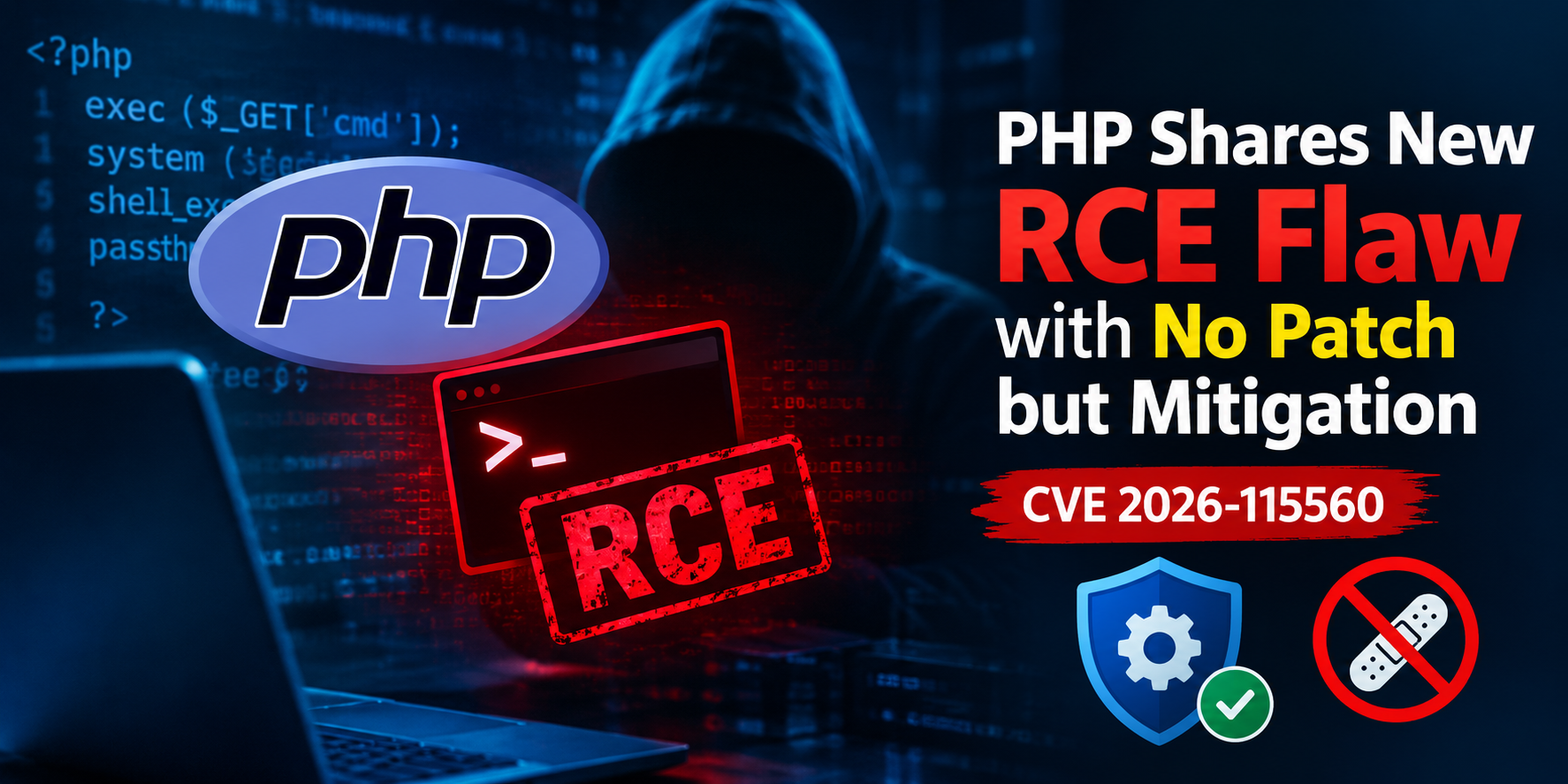
PHP shares new RCE flaw (CVE 2026-115560) with no patch but mitigation
US banks faced unauthorized access by AI agents in customer accounts: Axios reports

Atlassian patched 176 flaw in Jira and Confluence: Fortinet Urges to Patch Flaws Affecting FortiOS, FortiManager
Hacker claim to access Rajasthan Police data: 70,000 records allegedly exposed

Update now! PHP2Shell: Critical PHP vulnerabilities patched

Trump says data centres should pay dividends to local community

Hackers Actively Exploiting Palo Alto VPN Flaw Via CVE-2026-0257

DeepSeek AI banned by U.S. Government; federal agencies must remove all related tools

CISA, NSA and NIST Publish New 10 AI Agent Control Guidelines
Claude AI Cracks 25-Year NSA Cryptography Number Mystery in Just 30 Minutes

On the title “Optimizing DNS Performance in Kubernetes: Challenges and Best Practices” Md Arif Hossen from MetaHeed Limited said, Optimizing DNS performance in Kubernetes is vital for effective service discovery among microservices. Issues like DNS latency, high query loads, and bottlenecks in kube-dns/CoreDNS can hinder application performance. He emphasizes the importance of caching, node-local DNS, and tuning CoreDNS for larger clusters. Implementing autoscaling, minimizing noisy workloads, and monitoring DNS queries can greatly improve reliability. Following these best practices ensures a robust and high-performance Kubernetes environment.
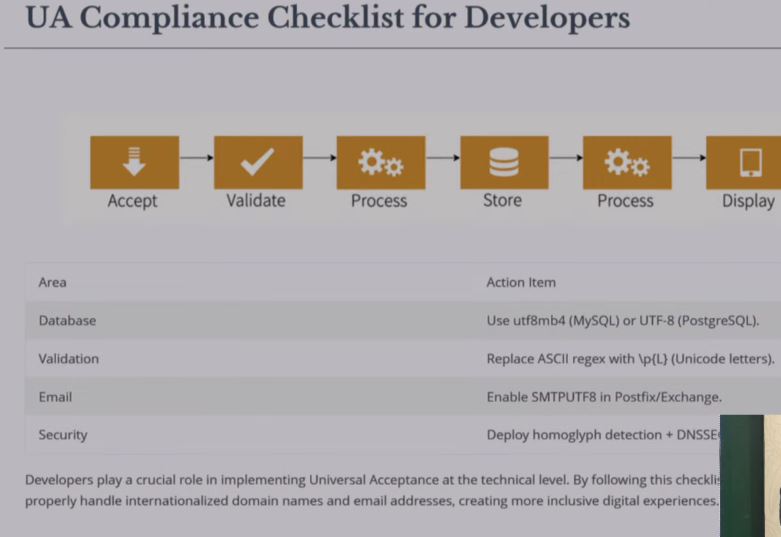
Joyeeta Sen Rimpee from BTCL discussed major technical challenges in Universal Acceptance (UA) and proposed practical solutions. She urged updating IDN validation with better regex and input methods, improving DNS with effective Punycode encoding, and fully supporting EAI email by enhancing SMTP, IMAP, and POP systems. Additionally, she suggested using homoglyph-detection tools for security and performing thorough UA readiness testing on software.

On the topic titled “Offensive Operations: The Anatomy of a Network Takeover” Shahee Mirza, BEETLES Cyber Security insightfully presented how the hacker finds the vulnerability in a system and taking advantages of those. He showed with diagram how a threat actor uses only a single printer or WIFI to infilter the whole environment.
He outlined key defensive measures, including strict guest Wi-Fi segmentation, enforcing least privilege with MFA and secured jump hosts, and hardening Active Directory. He emphasized centralized, immutable logging with rapid alerting, along with EDR and network detection to spot anomalies. He also recommended strong egress controls, DLP monitoring, and regular Red Team exercises to simulate and validate real attack paths.
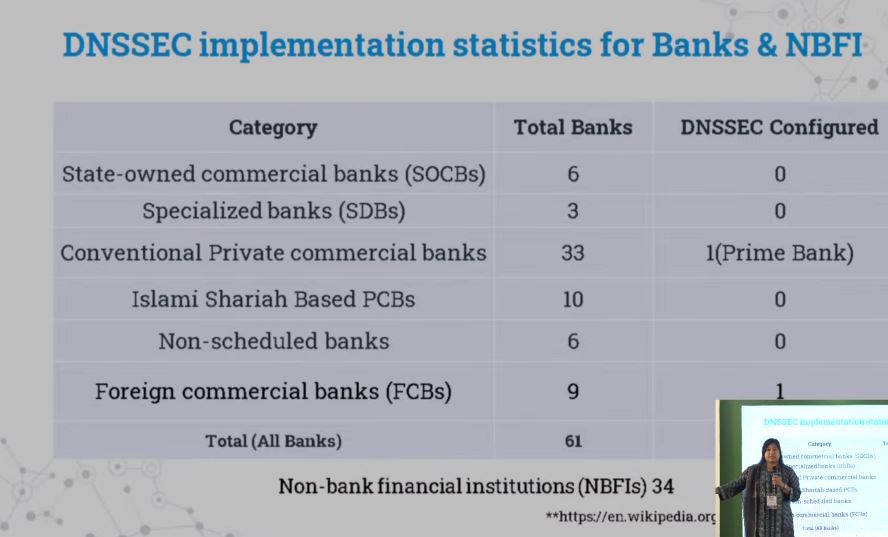
Shaila Sharmin, Prime Bank presented the journey of DNSSEC implementation in prime bank for the first time in BFSI sector in Bangladesh. She said, DNSSEC is essential for financial institutions and critical infrastructure as it prevents DNS hijacking and cache poisoning, ensuring secure and authentic DNS responses. This protection is crucial for online banking and payment systems, reducing fraud and credential theft by blocking redirection to malicious sites. It also strengthens national cyber-resilience, aligns with global standards, and minimizes service disruptions and reputational risk.

On the title “A Day in the Life of IPv6 Scanning” Dr. Yoshinobu Matsuzaki, IIJD showcases large-scale global measurements that reveal how IPv6 networks behave in the real world. It provides insights into routing, security exposures, and adoption trends across modern internet infrastructure.
There were many other topics and a 3-day long technical session with the participants.