InfoSecBulletin Cybersecurity for mankind
CISA published a guide on using Encrypted Domain Name System (DNS) for federal civilian agencies to improve cybersecurity and meet OMB Memorandum M-22-09 requirements.
Traditionally, the DNS protocol didn’t have ways to make sure requests and responses were confidential, secure, or authentic. However, the M-22-09 guideline requires agencies to encrypt DNS traffic and use CISA’s Protective DNS capability for egress DNS resolution. This guide will help agencies implement technical capabilities for their networks, DNS infrastructure, on-premises endpoints, cloud deployments, and mobile devices.
CISA, NSA and NIST Publish New 10 AI Agent Control Guidelines
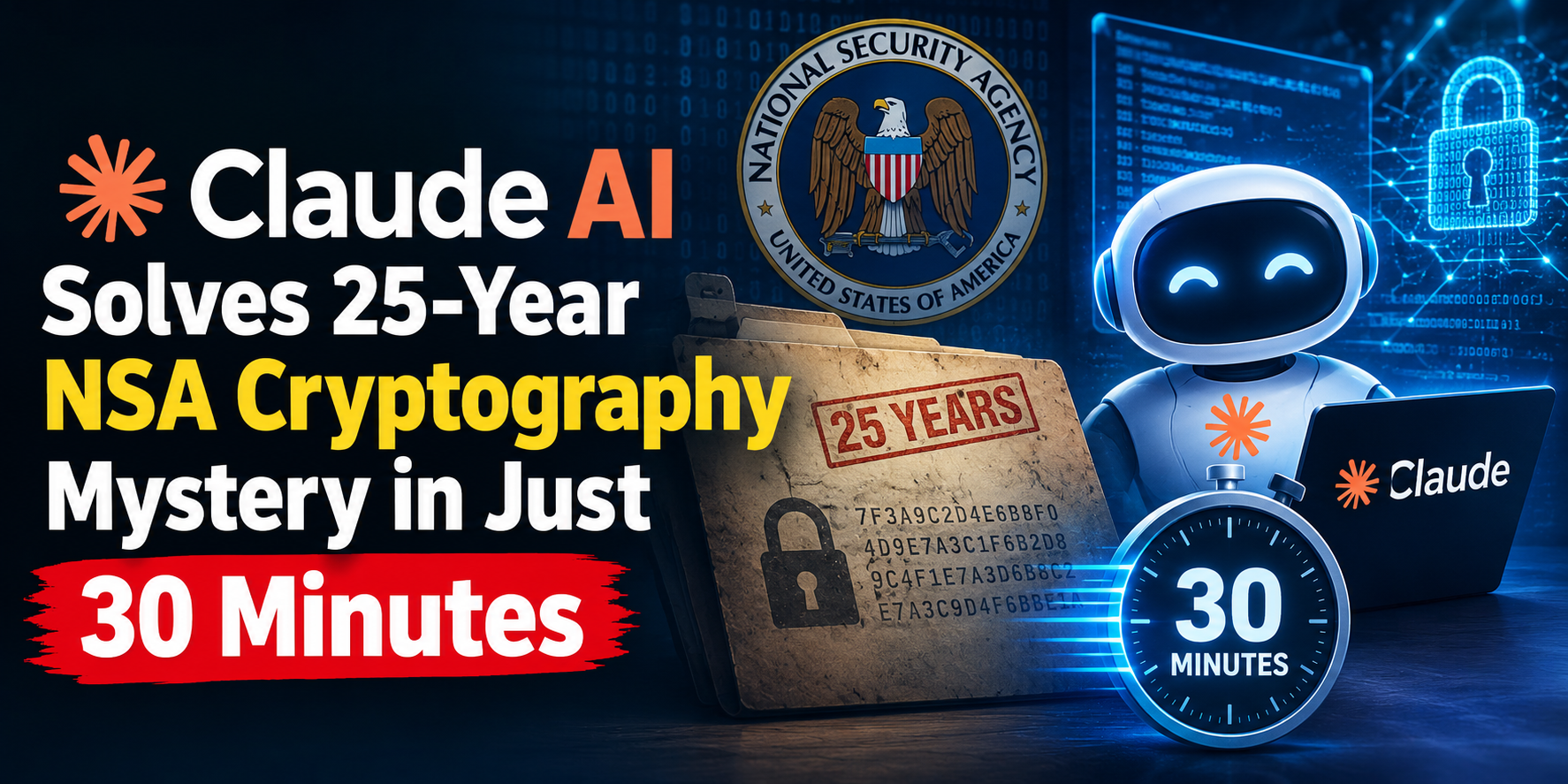
Claude AI Cracks 25-Year NSA Cryptography Number Mystery in Just 30 Minutes
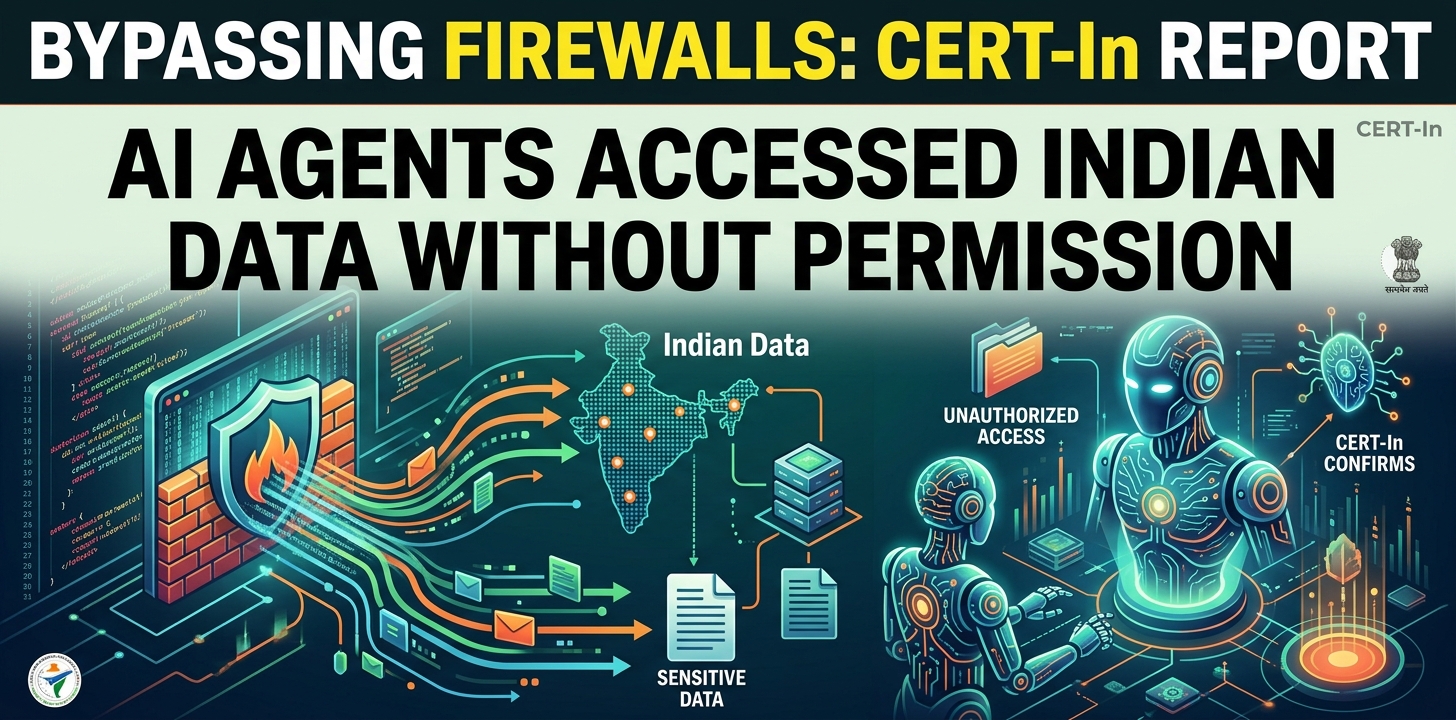
Bypassing firewalls, AI Agents Accessed Indian ‘ Data Without Permission: CERT-In
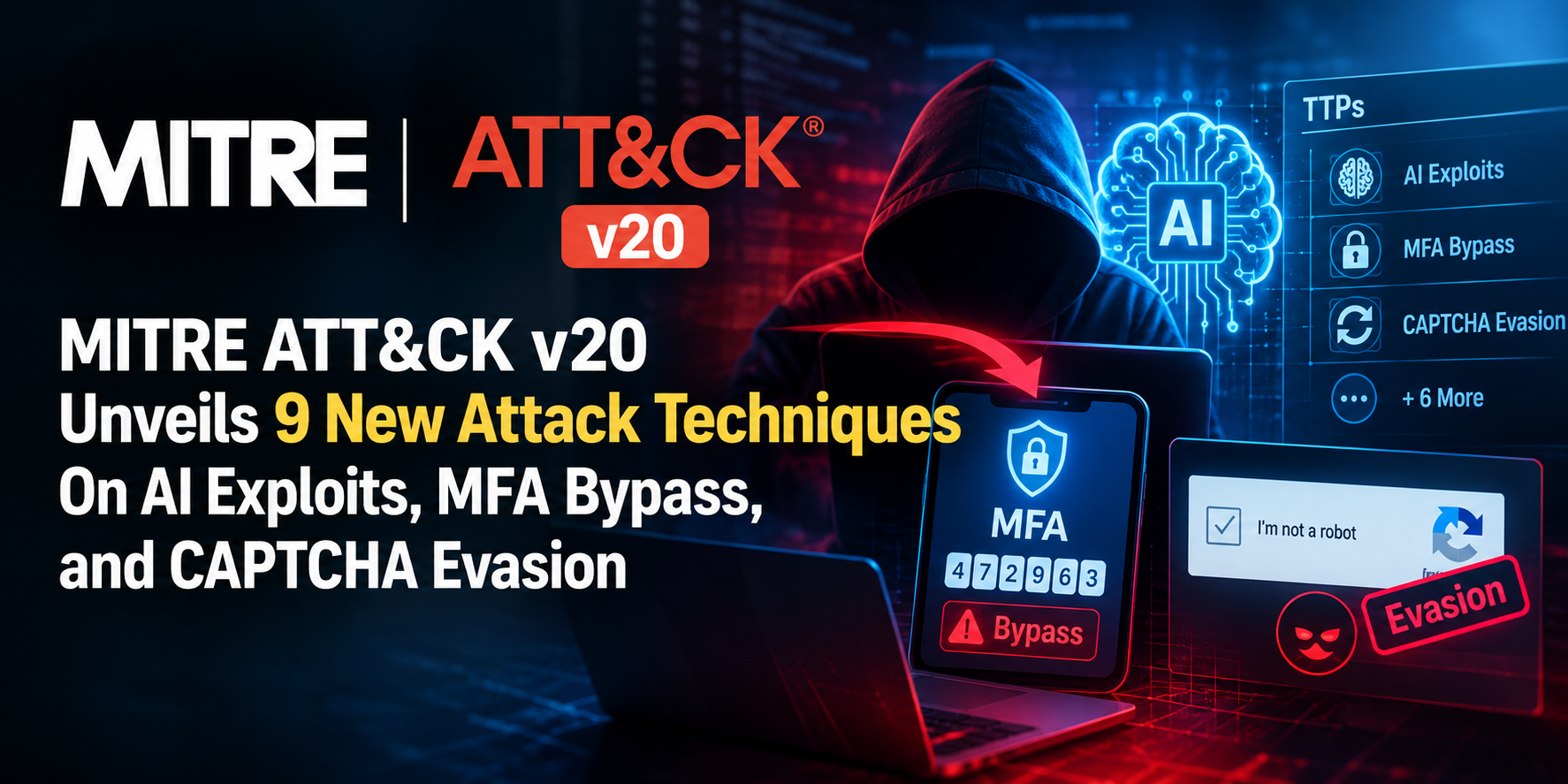
MITRE ATT&CK v20 Unveils 9 New Attack Techniques On AI Exploits, MFA Bypass, and CAPTCHA Evasion
Hackers Exploit Fortinet Flaws to Deploy Stealthy PEERSTITCH Malware on FortiGate Firewalls

Hacker stole Meta GitHub repos; Stole Source Code

Urgent patch! Zoom,NVIDIA and IBM Patch 41 Security flaws

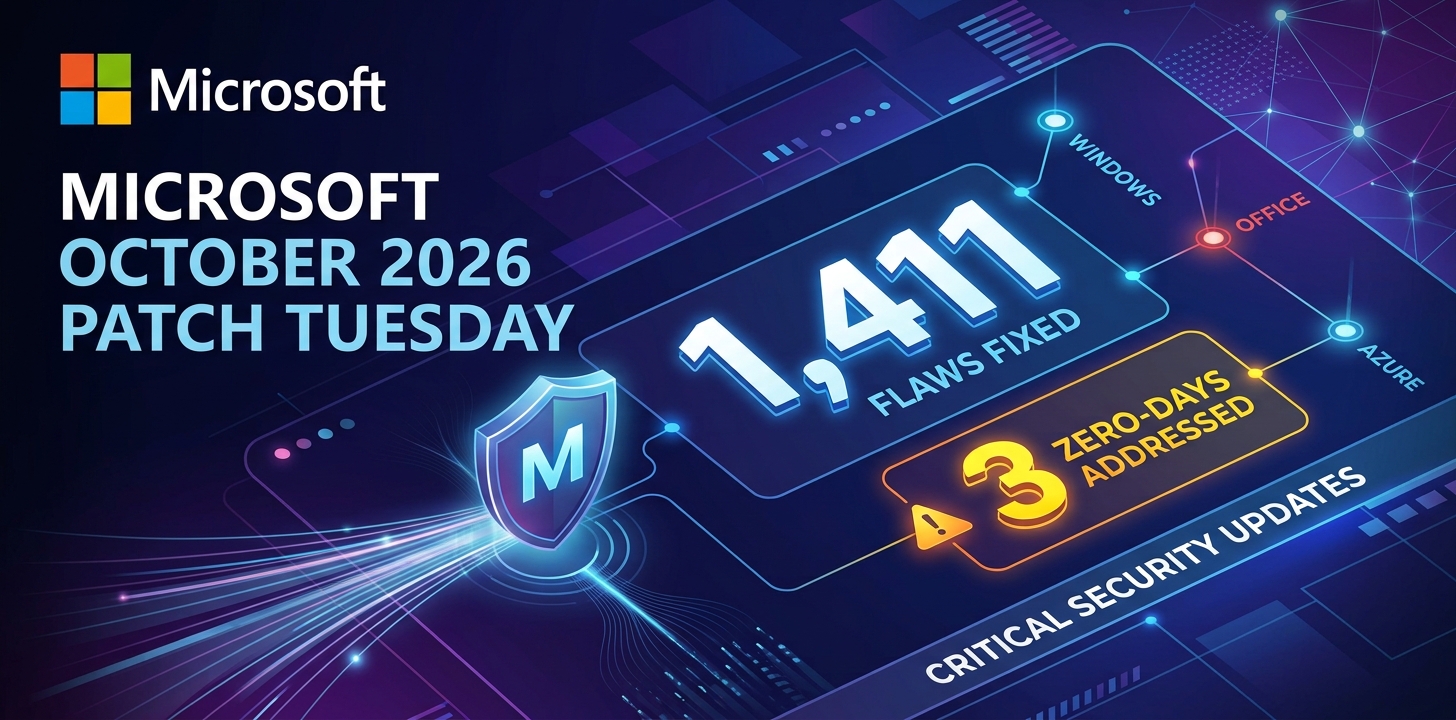
Microsoft patches record braking 1411 flaws; 2 zero days
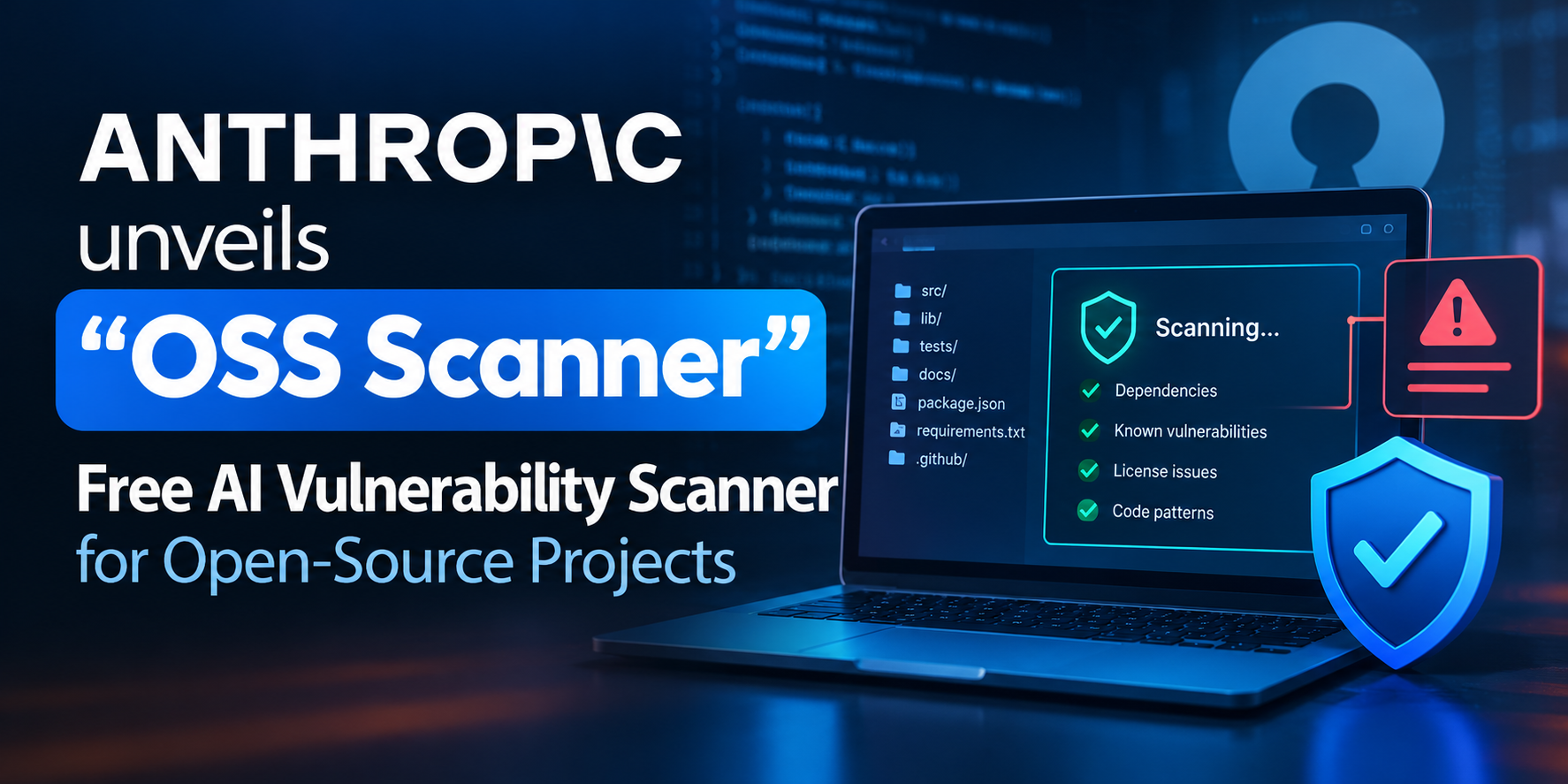
Anthropic unveils “OSS Scanner” Free AI Vulnerability Scanner for Open-Source Projects
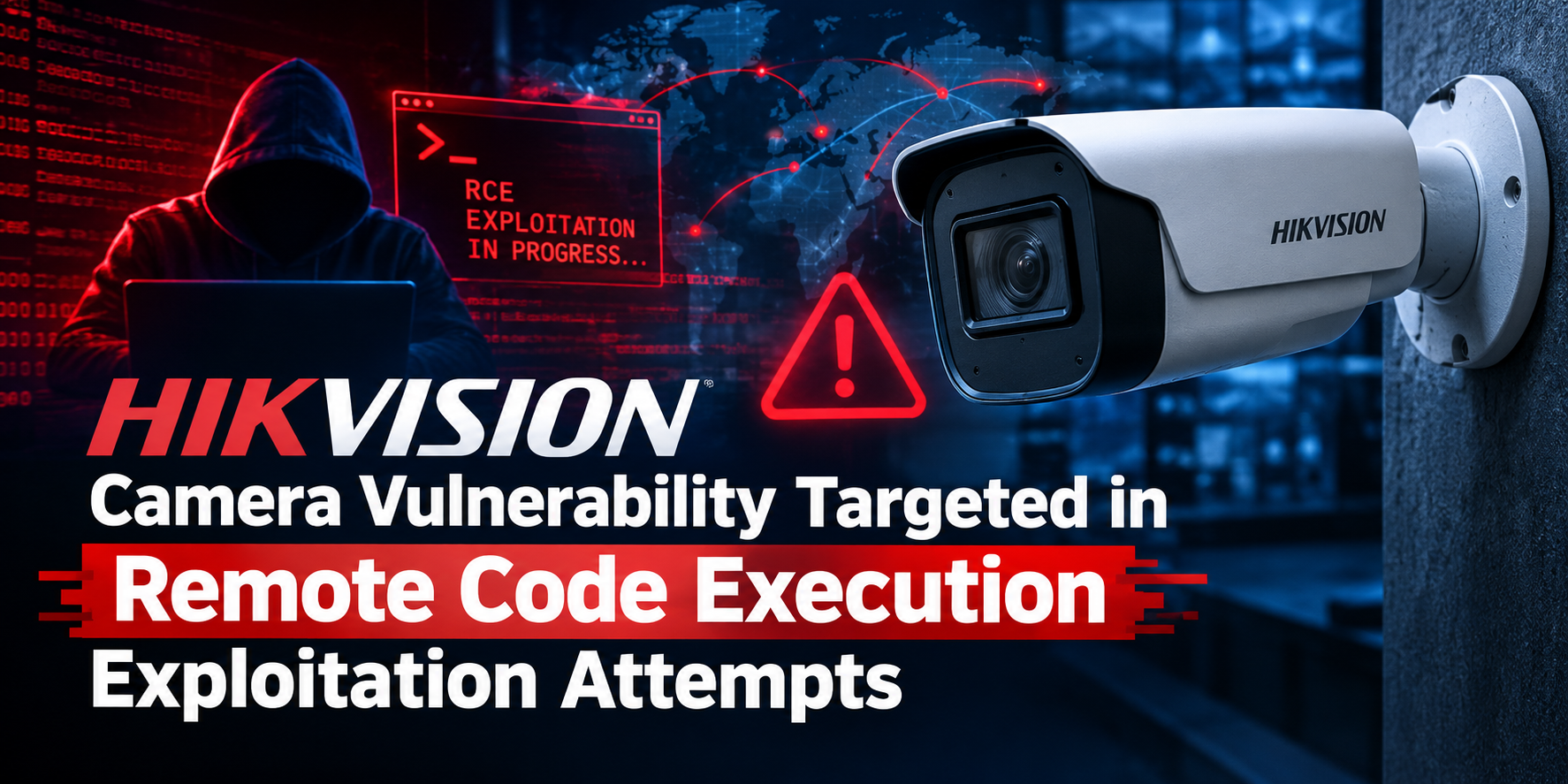
Rise on RCE Exploits Targeting Hikvision Camera Flaw
“As the operational lead for federal cybersecurity, CISA developed this guide to assist federal agencies with understanding and implementing key actions and protocols to begin encrypting DNS traffic,” said Eric Goldstein, Executive Assistant Director for Cybersecurity, CISA. “This guide will help agencies progress further in their zero trust security journey. CISA continues our efforts and collaboration with agencies to modernize federal agency cybersecurity successfully and securely.”
This document provides resources to help agency personnel understand the requirements and engage in the transition work. It includes a high-level implementation checklist, recommendations for phased implementation, and technical guidance. Implementing encrypted DNS will align civilian agencies’ security architecture with zero trust principles.
This guide is for federal agencies, but all organizations are encouraged to use it as a benchmark for applying zero trust efforts.