InfoSecBulletin Cybersecurity for mankind
Sowing digital safety
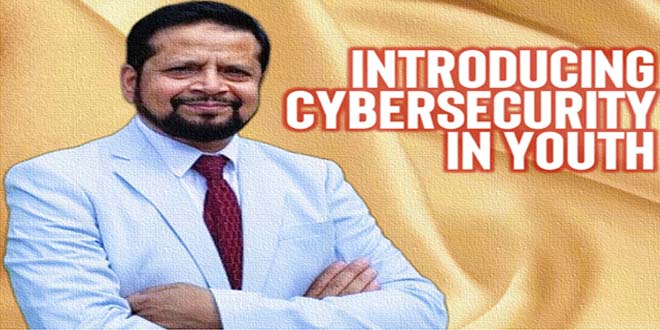
As we are in the month of Cybersecurity Awareness, I grab this chance to share a vital message with the education authorities in Bangladesh. It’s time we make Cybersecurity a must-learn subject in our schools to prepare our future generation for a digital world.
The Global Context:
The digital revolution has brought about unparalleled conveniences. However, with it come significant vulnerabilities. Reports suggest that by 2025, cybercrime damages will cost the world $10.5 trillion annually. As countries digitize, they become hotspots for cyber-attacks. Bangladesh, rapidly ascending on its digital journey, is no exception.
Critical cPanel, GitLab AI Gateway and Dell CSM Flaws Enable RCE And Admin Hijacking

Nearly 100,000 email addresses exposed in first AI-related data breach in Singapore

Hackers Exploit Zimbra Mail Servers: TeamViewer patched 5 critical flaws

Google Warns of Hackers Actively Exploiting Citrix 0-Day Flaws
CISA Warns Critical MikroTik RouterOS Flaw While Cisco SD-WAN Zero-Day Exploited in Attacks
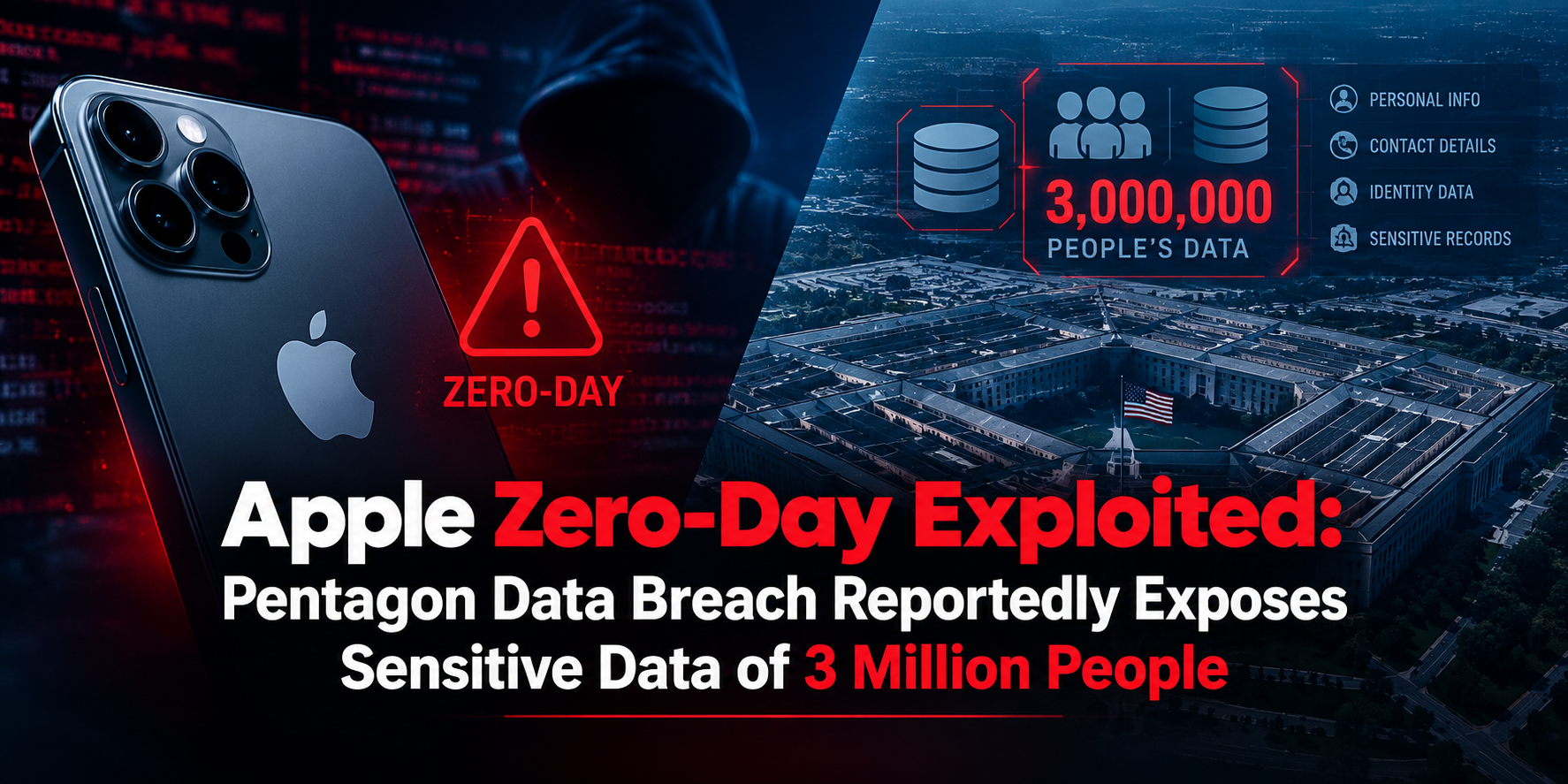
Apple Zero-Day Exploited: Pentagon Data Breach Reportedly Exposes Sensitive Data of 3 Million People
JadePuffer Agentic AI targets and destroys Azure’s cloud resources

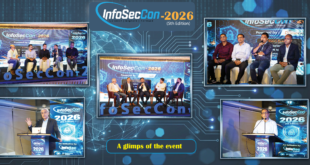
“InfoSecCon-2026: Bangladesh’s Cybersecurity Leaders Unite to Shape a Safer Digital Future”

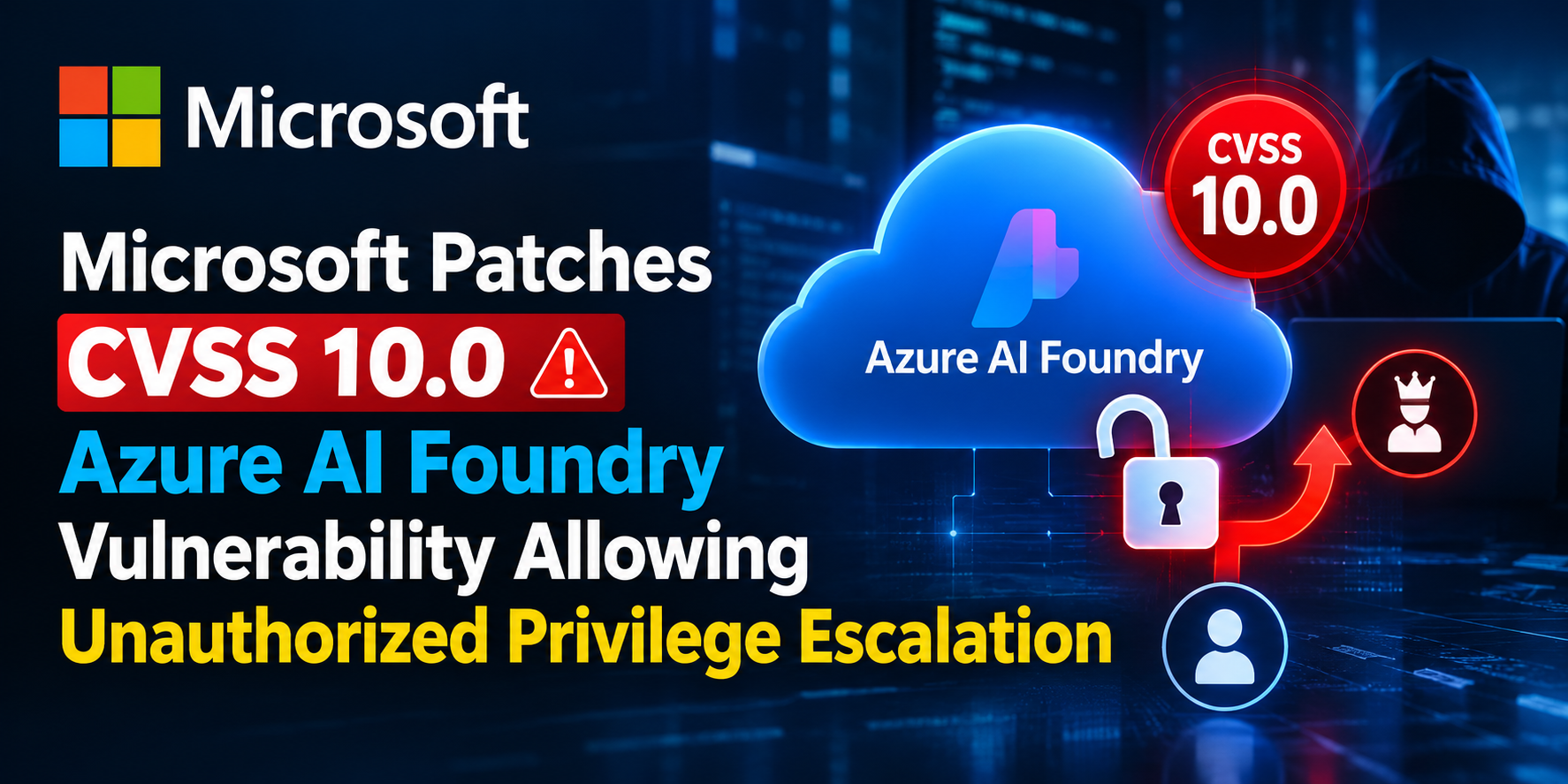
Microsoft Patches CVSS 10.0 Azure AI Foundry Vulnerability Allowing Privilege Escalation
AWS is unable to restore access to Bahrain, one UAE cloud data zone after war damage
Importance of Early Education:
Introducing cybersecurity prepares young minds to protect themselves online and consider careers in this ever-evolving field. By doing so, Bangladesh can position itself as a leader in producing world-class cybersecurity professionals.
Introducing cybersecurity in our schools is a big step towards creating a generation that knows how to stay safe online. Here’s how we can teach cybersecurity at different school levels:
Primary School Level:
At this level, it’s all about keeping it simple and relatable:
Basic Online Safety:
Teach kids the simple rules of staying safe online, like not sharing personal details and how to tell safe websites from unsafe ones.
Cyber Hygiene:
Talk about easy habits like making strong passwords and logging out of accounts, especially on shared computers.
Digital Citizenship:
Teach the kids how to be good and respectful while online and how to report if someone is being mean to them on the internet.
High School Level:
As kids grow, the lessons can become a bit more detailed:
Intermediate Online Safety:
Discuss more about keeping personal information private online, understanding what phishing scams are, and how to avoid them.
Social Media Awareness:
Talk about social media’s good and bad sides and why it’s essential to think before sharing something online.
Basic Cybersecurity Concepts:
Introduce simple cybersecurity ideas like malware and viruses and what a firewall does.
College Level:
Here, we can go into more detail as students are older and can understand complex ideas:
Advanced Cybersecurity Concepts:
Discuss network security, how encryption keeps our data safe, and the laws related to cybersecurity.
Cybersecurity Career Exploration:
Talk about the different jobs they can do in cybersecurity.
Practical Cybersecurity Skills:
Offer hands-on activities where students can learn how to identify and fix security risks.
Cyber Law and Ethics:
Discuss the laws that help keep us safe online and how to use cybersecurity skills.
Cross-Level Activities:
Learning should not just be limited to the classroom:
Cybersecurity Competitions and Clubs:
Encourage schools to start cybersecurity clubs and hold competitions to make learning fun and practical.
Parent and Teacher Training:
Offer training programs for parents and teachers so they can also learn about cybersecurity and help students learn.
The infusion of cybersecurity education from primary to college levels ensures a progressive build-up of cybersecurity understanding among students.
According to an article from the Times of India, the rising penetration of the internet and the indispensability of digital technology in education have also heightened the vulnerability to hackers and cybercrimes, underscoring the urgency of cybersecurity education.
Moreover, the World Economic Forum discourse accentuates that educational institutions should devise cyber action plans and embed cybersecurity curriculums, especially after the digital transformation expedited by the COVID-19 pandemic.
The structured cybersecurity education pathway is a cornerstone in cultivating a robust cybersecurity ecosystem in Bangladesh, poised to confront the escalating global and regional digital challenges.
As the winds of Cybersecurity Awareness Month sweep across, let’s channel this momentum towards advocating for a well-rounded cybersecurity curriculum, preparing the young minds of Bangladesh for a secure digital tomorrow.
Writer: Enamul Haque
Enamul Haque is a renowned author listed on Amazon, known for his best-selling works on cutting-edge technologies, including cloud computing, artificial intelligence, IoT, data science, and computer science. He is also a thought leader who provides technology advancement consultancy to Fortune 500 companies.