 InfoSecBulletin Cybersecurity for mankind

A large cyberattack affected Windows-based POS machines, leading to the theft of over one million unique credit and debit card numbers in more than 20 countries. The attackers accessed over 700 POS terminals due to a Windows security flaw that was not patched, according to Cybernews.
The investigation found a server that attackers controlled. This server had malware code, tools for exploiting systems, stolen payment card info, and a carding panel called “VINY JUNIOR TRILHAS.” The panel stored payment card data taken from hacked POS systems.
Over 1 million credit cards stolen in attack across 20 countries

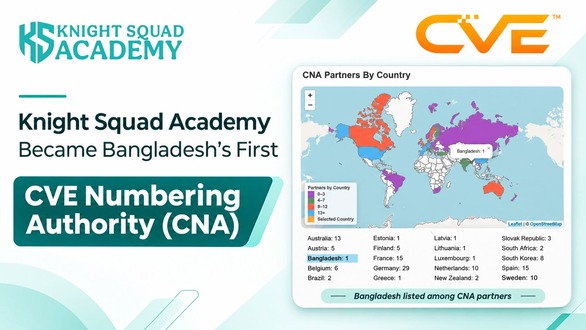
Knight Squad Academy now serves as Bangladesh’s first CVE Numbering Authority
Daily Cyber security update for 18.11. 2026

Japan’s “Fugaku” supercomputer went offline after cyberattack

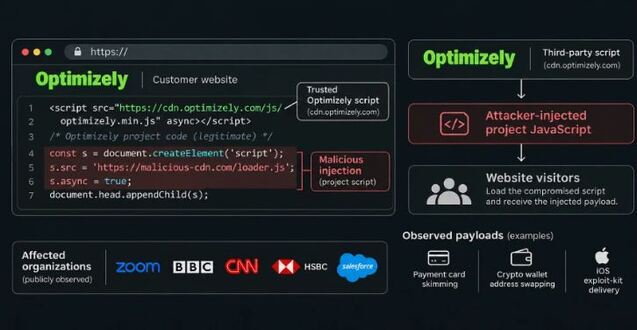
Hijacked Optimizely Scripts infect CNN, HSBC, BBC, Zoom, Salesforce sites with malware
Researcher Uncover 150 M Kik Profile Images Publicly Accessible Database

Months-old flaw led to a global Microsoft outage: said Microsoft
OWASP Top 10 Neocloud & AI Data Center Security Risks

Six 0-Days Discovered by Researchers Allow Unauthorized Access to Supermarket Fridge Systems

Daily Cyber security update for 14.11. 2026

Attackers Exploited a Windows Vulnerability
The attackers used CVE-2024-49138, a serious vulnerability that lets users gain extra permissions on the Windows Common Log File System (CLFS) driver.
Microsoft fixed the security flaw in December 2024. But the POS terminals that were affected were using old Windows software. This software had not been updated for at least one year and nine months by the time it was found in August 2026.
According to the investigation, Attackers used free exploit code to target POS systems. After gaining higher system access, they installed a Remote Access Trojan (RAT) to keep gathering credit card details while customers made payments.
More Than One Million Payment Card Records Exposed
The attacker’s carding panel reportedly contained information associated with at least one million unique credit and debit cards, including:
Primary Account Numbers (PANs)
Card expiration dates
Bank Identification Numbers (BINs)
Issuing countries and banks
Card types and brands
Data exfiltration dates
The exposed infrastructure also had information about 782 hacked POS systems, such as their operating systems and where they were located.
Brazil Most Affected
The investigation found infected POS terminals in over 20 countries, mostly in Brazil. The attackers targeted retail and service companies using Windows payment systems, especially those dealing with Brazilian banks. Researchers shared their results with Brazil’s Computer Emergency Response Team (CTIR) on September 8, 2026. The attacked server was seen going offline on August 31, 2026.
Security Implications
The event shows the dangers of using old POS systems and waiting too long to update security. Hacked payment machines can put customers at risk of illegal charges, money theft, and account hijacking.
Businesses using Windows POS systems should focus on security updates, limit local access, watch for strange system actions, and use security tools to find malware and stop unauthorized access. The incident shows how attackers can use public exploit code to break into weak systems widely.
NB: This report is based on findings published by Cybernews. The incident details and figures have not been independently verified by InfoSecBulletin. full report here.
Researcher Uncover 150 M Kik Profile Images Publicly Accessible Database