 InfoSecBulletin Cybersecurity for mankind

Cybersecurity researcher Jeremiah Fowler uncovered a massive database containing approximately 150 million images associated with the Kik messaging platform that was publicly accessible without password protection or encryption.
According to him, the database contained 150,146,000 image files, including thumbnails and original images, representing an estimated 75 million unique photographs collected between 2021 and 2026.
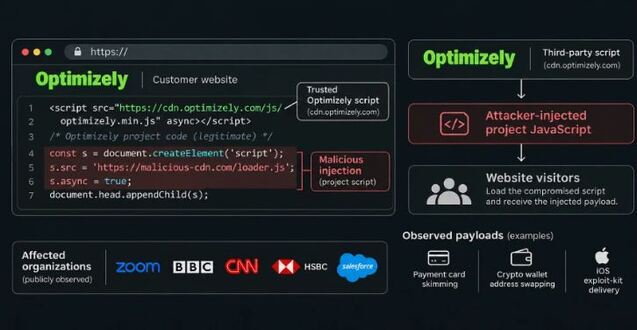
Hijacked Optimizely Scripts infect CNN, HSBC, BBC, Zoom, Salesforce sites with malware
Researcher Uncover 150 M Kik Profile Images Publicly Accessible Database

Months-old flaw led to a global Microsoft outage: said Microsoft

OWASP Top 10 Neocloud & AI Data Center Security Risks

Six 0-Days Discovered by Researchers Allow Unauthorized Access to Supermarket Fridge Systems

Daily Cyber security update for 14.11. 2026

Huge European telecom leak exposes clients of Swedbank, SEB, airBaltic, and other companies

PHP2Shell attack exploited a Check Point 0-day to deploy malware

North Korean hackers steal more than $400 million using video images, FBI says
Microsoft’s November 2026 Patch Tuesday addresses 1,093 flaws, with Outlook zero-day

The pictures were said to be kept in a public cloud storage that anyone could access through a web browser without a login. The researcher found the link to Kik by looking at the database names and image links on a Kik-related subdomain.
The researcher said the exposure was reported to multiple email addresses associated with Kik and its parent company, MediaLab AI, Inc. However, most disclosure emails reportedly bounced back as undeliverable. Although a support ticket was generated, no further response was received. The database was secured several days after the initial discovery.
It remains unclear how long the images were publicly accessible, whether unauthorized individuals accessed them, or whether the database was directly managed by Kik, MediaLab, or a third-party service provider.
Potential Privacy and Security Risks
The exposure raises significant privacy concerns because profile photographs can reveal personal information even when they are not accompanied by names, email addresses, or other conventional personally identifiable information (PII).
According to the researcher, anyone can take and analyze facial images using reverse image searches and facial recognition tools. This could lead to more chances of finding someone’s identity, impersonating them, stalking, harassment, and fake social media accounts. The researcher also said that artificial intelligence could make these risks worse. AI tools can analyze many images, spot similarities, and compare faces across different groups of data.
There is no proof that the images shown were used to train AI or for bad purposes, but the researcher pointed out that someone could collect and reuse facial images without permission.
Child Safety Concerns
The finding also raised concerns about potentially sensitive pictures of kids and teens.
The researcher looked at about 2,000 random images and found 66 that seemed to show child sexual abuse material (CSAM). The researcher also saw many images with nudity or adult content.
The researcher said suspected CSAM findings were reported to the National Center for Missing & Exploited Children (NCMEC) and the Connecticut Attorney General’s Office.
Kik updated its terms of service in 2025 to restrict the platform to individuals aged 18 and older, according to the disclosure.
The discovery comes amid broader scrutiny of Kik’s child-safety and content moderation practices. In September 2026, Connecticut Attorney General William Tong announced an investigation into MediaLab AI, Inc., the parent company of Kik Messenger, citing concerns about child safety and content moderation on the platform.
The researcher also referenced NCMEC data cited in an OECD report, which indicated that MediaLab/Kik submitted 17,394 reports of suspected child sexual exploitation through NCMEC’s CyberTipline in 2023.
These figures demonstrate that the platform has previously reported suspected illegal content, although they do not establish a connection between those reports and the newly discovered exposure.
The researcher emphasized that the investigation was conducted within a limited scope to establish the nature of the exposure and notify the suspected owner.
According to the disclosure, the researcher did not download the images or capture screenshots of potentially illegal material. The findings were based on database contents, file naming conventions, timestamps, and correlations with Kik-associated image resources.
There is currently no confirmation that Kik user accounts were compromised or that the exposed images were accessed or misused by malicious actors.
Related news:
Researcher claimed: Biometrics of Indian Forces Exposed
Brazilian health surveillance platform breach exposes 100K+ sensitive documents
AI Generator Exposed One Million DeepFakes and Nude Images