 InfoSecBulletin Cybersecurity for mankind
The PHP development team released security fixes for 18 flaws, including critical flaws that could allow attackers without permission to run code on weak servers.
The updates released on Thursday, November 19, for all PHP versions that are still supported. Now, PHP 8.5.13, 8.4.28, 8.3.37, and 8.2.36 are available. Aikido, a security firm, says the updates fix 18 security flaws in PHP’s core engine, session handling, PHP-FPM, CGI, and other parts.
PHP updates fix 18 flaws, with critical RCE bugs included

F5 Issues Out-of-Band Security Advisory Covering 22 Flaws Across NGINX and BIG-IP Products

Over 1 million credit cards stolen in attack across 20 countries

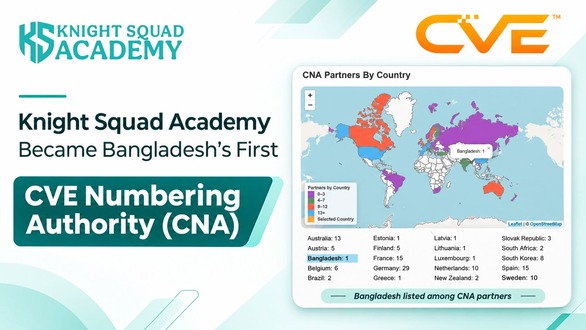
Knight Squad Academy now serves as Bangladesh’s first CVE Numbering Authority
Daily Cyber security update for 18.11. 2026
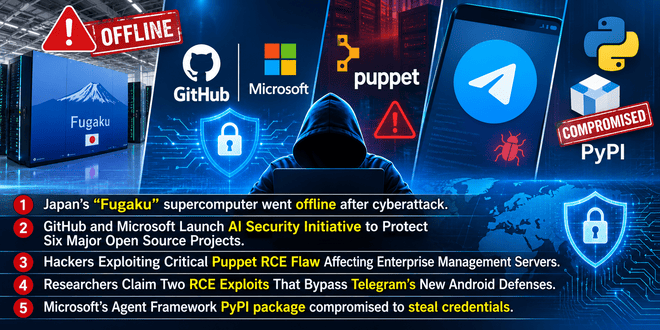
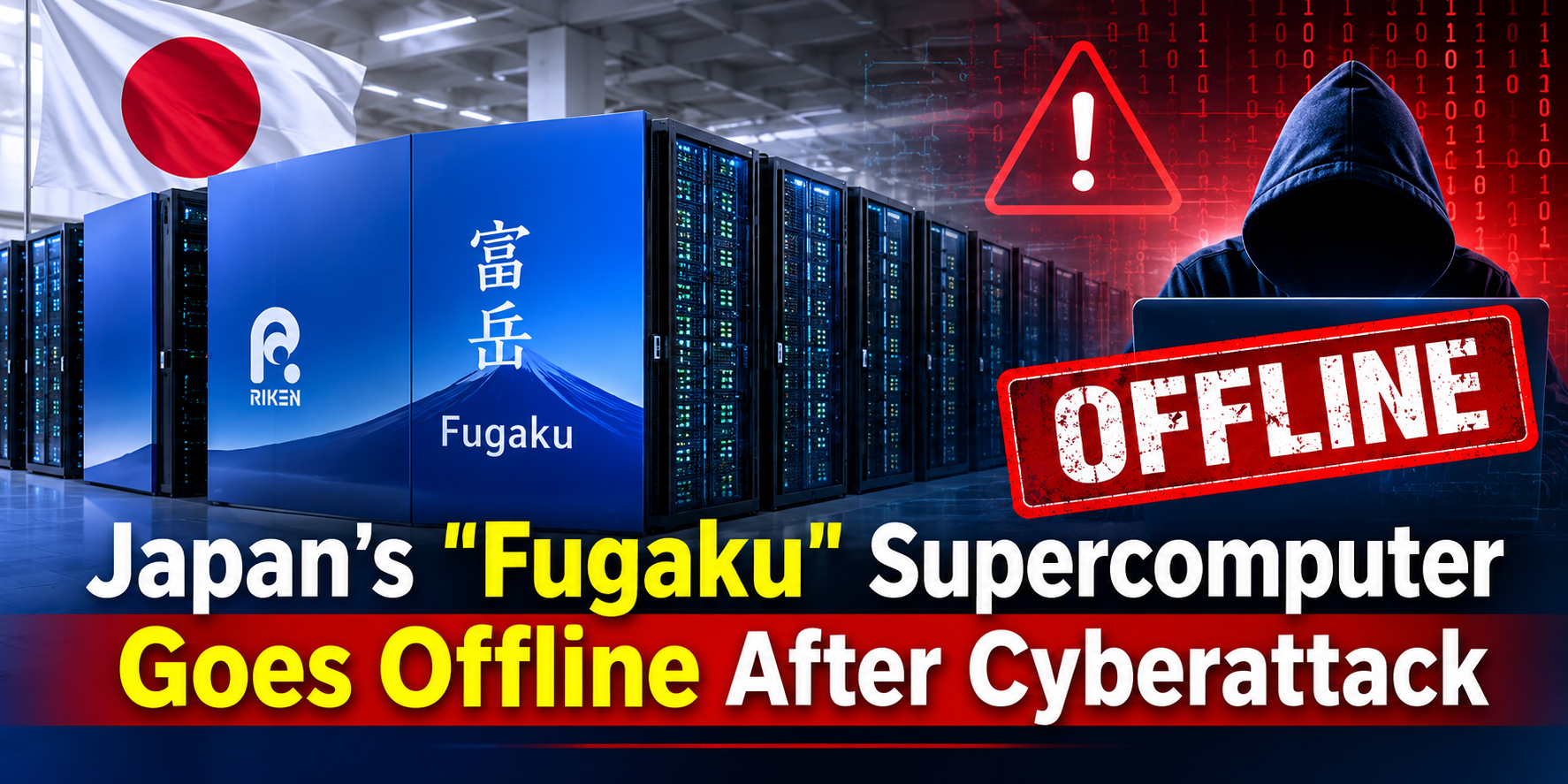
Japan’s “Fugaku” supercomputer went offline after cyberattack
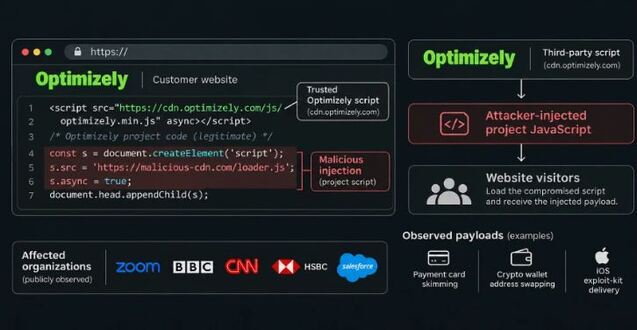
Hijacked Optimizely Scripts infect CNN, HSBC, BBC, Zoom, Salesforce sites with malware
Researcher Uncover 150 M Kik Profile Images Publicly Accessible Database

Months-old flaw led to a global Microsoft outage: said Microsoft

OWASP Top 10 Neocloud & AI Data Center Security Risks

One of the most serious flaws, tracked as CVE-2026-129289, is a critical PHP-FPM request smuggling vulnerability with a CVSS score of 9.2. According to Aikido, the flaw allows unauthenticated attackers to execute PHP code remotely on vulnerable servers that reuse connections to PHP-FPM under certain conditions.
The flaw affects some nginx, Apache, HAProxy, and LSAPI setups that use the same backend links to PHP-FPM. Standard nginx and Apache configurations that do not reuse backend connections are not affected by the attack.
Other important vulnerabilities fixed in the updates include:
CVE-2026-129474: A use-after-free vulnerability involving magic method backtraces that could lead to remote code execution.
CVE-2026-129496: A timezone cache use-after-free vulnerability that could lead to remote code execution.
CVE-2026-126714: A vulnerability involving partially overwritten session files that could lead to remote code execution.
CVE-2026-115560: A session serializer mismatch vulnerability that could lead to remote code execution.
CVE-2026-129291: A PHP-FPM epoll use-after-free vulnerability that could lead to local privilege escalation.
CVE-2026-128090: A PHAR OpenSSL signature bypass vulnerability involving an algorithm downgrade.
Some new fixes solve flaws with memory corruption, leaking information, cross-site scripting, denial-of-service issues, and unsafe handling of HTTPS and FTPS URLs.
The updates come after a warning from the PHP security team on Wednesday. They said the new updates would fix serious problems that affect all supported PHP versions. Some of these problems are very serious.
“The issues rated CRITICAL require either non-default configuration or uncommon setups,” the PHP security team warned.
One flaw, CVE-2026-115560, was shared in an advisory on October 23. It deals with how PHP manages session data in some settings, which could let someone execute code from far away.
As a temporary mitigation, PHP recommended disabling session upload progress by setting session.upload_progress.enabled=0 and restarting PHP workers. This setting was also recommended to mitigate the recent PHP2Shell flaws.
For CVE-2026-129289, admins who can’t install the security updates right away can reduce the risk by turning off permanent connections between their web servers and PHP-FPM, making sure to close connections after every request.
Aikido says these fixes do not cover all the issues from the November updates. It suggests that PHP-FPM and LSAPI listeners should not be open to untrusted networks.
Although the official security updates are limited to supported PHP branches, third-party maintainer Ondrej Surý has also released patched packages for unsupported PHP versions dating back to PHP 5.6.
Aikido has similarly released hardened PHP container images containing backported security fixes for unsupported versions, including PHP 5.6, 7.0, 7.1, 7.2, 7.4, and 8.1. PHP administrators are urged to upgrade to PHP 8.5.13, 8.4.28, 8.3.37, or 8.2.36, depending on their supported branch, to address the newly disclosed vulnerabilities.
Knight Squad Academy now serves as Bangladesh’s first CVE Numbering Authority
Bangladeshi Researcher Rasel Earns First Apple CVE Recognition for Model I/O Flaw