InfoSecBulletin Cybersecurity for mankind

In March 2023, 41.9 million records were compromised by cyberattacks across the world, according to IT Governance, a global provider of cyber risk and privacy management solutions. IT Governance also identified 100 publicly disclosed security incidents, which is up from 29.5 million breached records and 106 publicly disclosed security incidents in February. These March statistics also follow an upwards year-on-year trend, with a 951% increase since March 2022.
Three of the biggest data breaches that occurred in March 2023 impacted; Latitude Financial, Go Anywhere and AT&T.
US banks faced unauthorized access by AI agents in customer accounts: Axios reports

Atlassian patched 176 flaw in Jira and Confluence: Fortinet Urges to Patch Flaws Affecting FortiOS, FortiManager

Hacker claim to access Rajasthan Police data: 70,000 records allegedly exposed
Update now! PHP2Shell: Critical PHP vulnerabilities patched

Trump says data centres should pay dividends to local community

Hackers Actively Exploiting Palo Alto VPN Flaw Via CVE-2026-0257

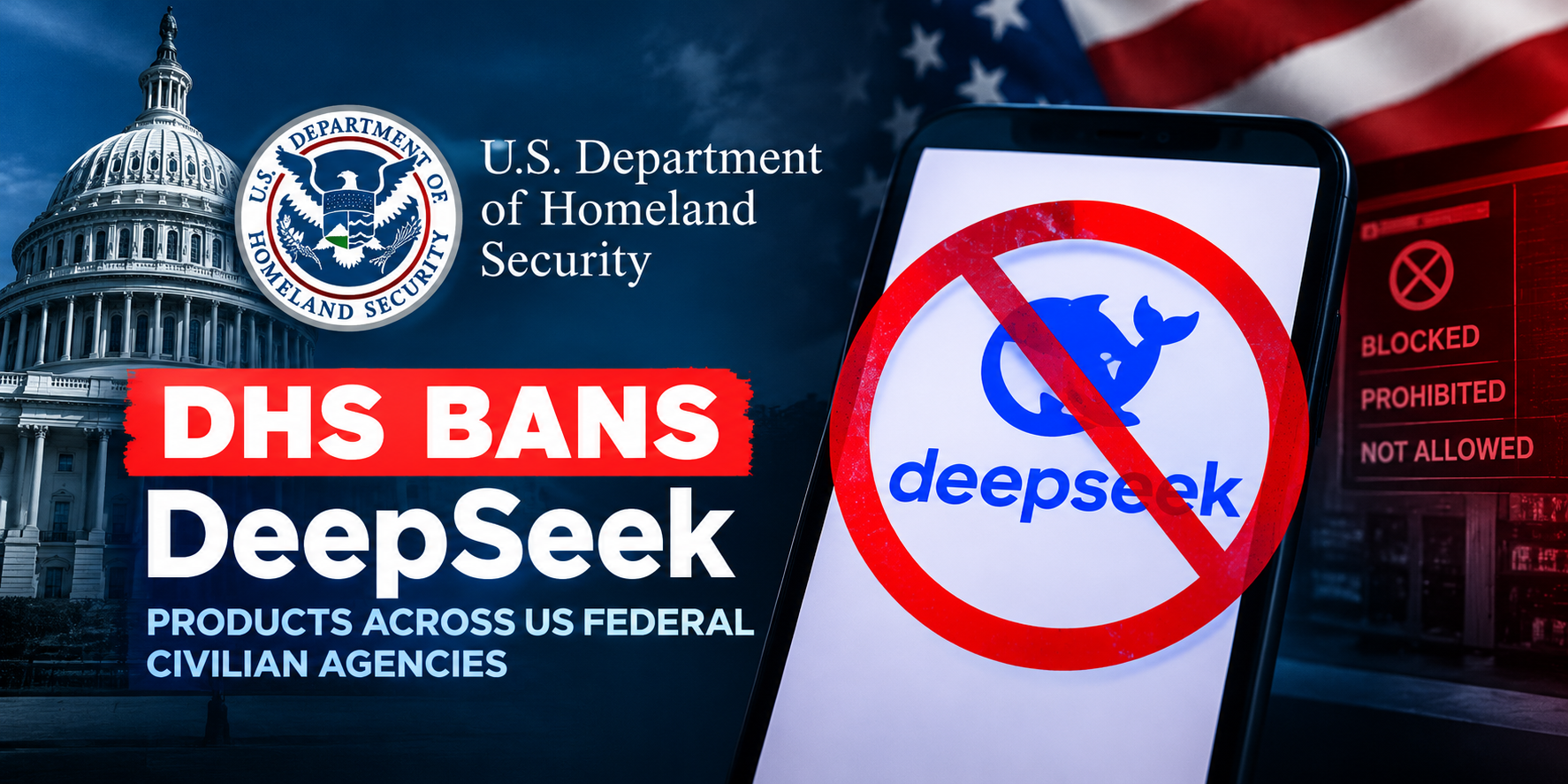
DeepSeek AI banned by U.S. Government; federal agencies must remove all related tools
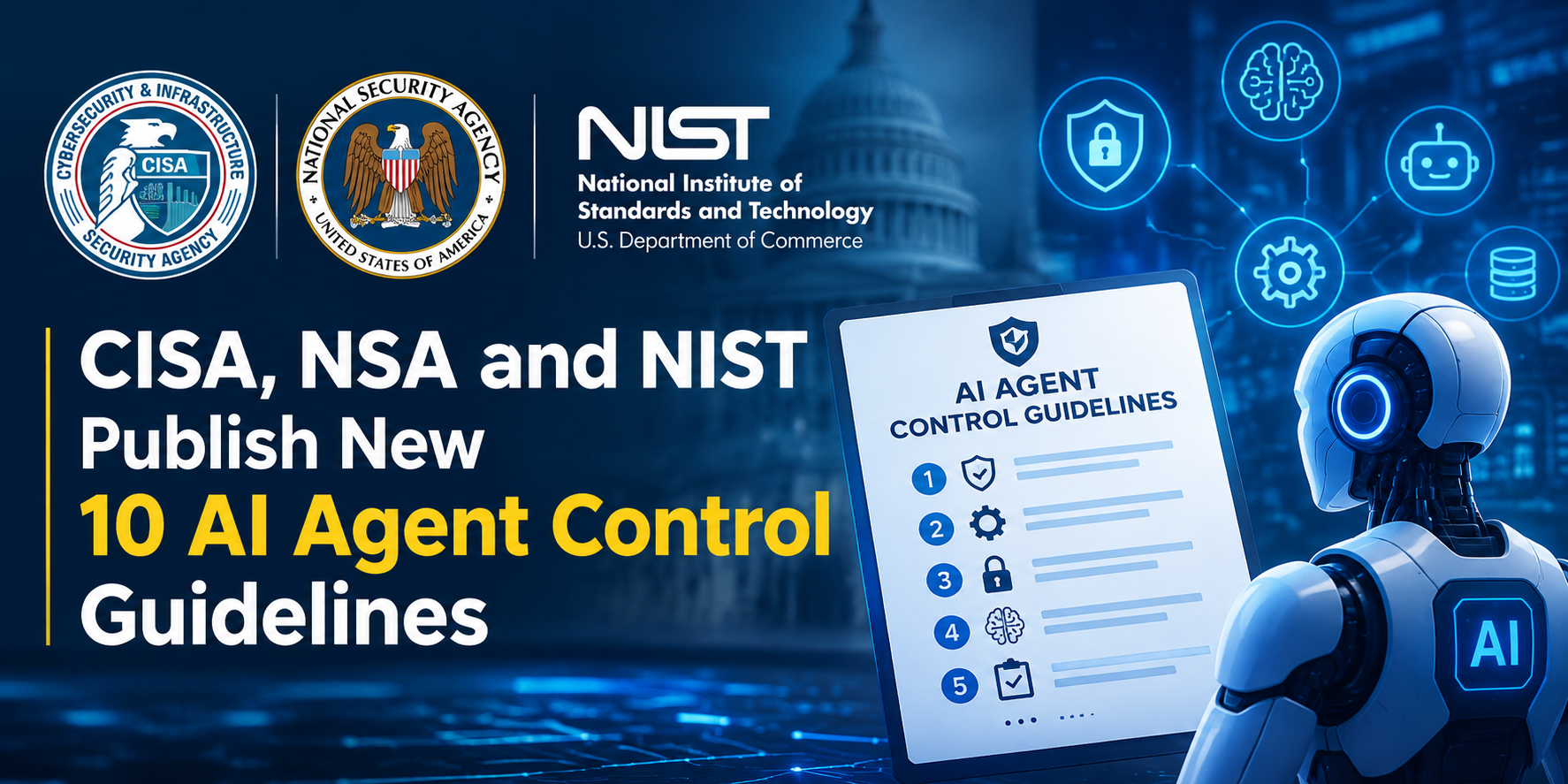
CISA, NSA and NIST Publish New 10 AI Agent Control Guidelines
Claude AI Cracks 25-Year NSA Cryptography Number Mystery in Just 30 Minutes

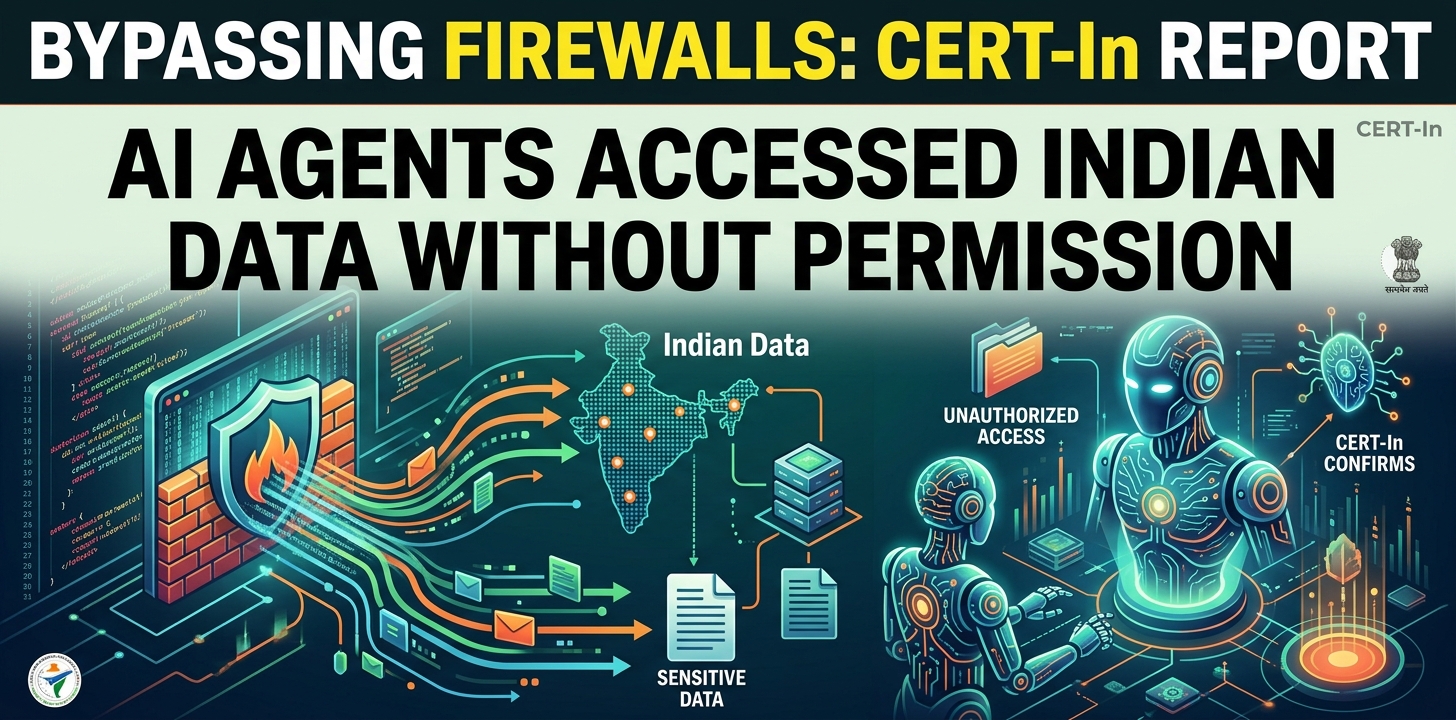
Bypassing firewalls, AI Agents Accessed Indian ‘ Data Without Permission: CERT-In
Latitude Financial suffered the largest data breach of March 2023, with more than 14 million records being compromised. It was reported that cyber criminals captured several different types of data including almost 8 million drivers’ licences, 53,000 passport numbers, dozens of monthly financial statements, and an additional 6 million records dating back to “at least 2005” were also compromised in the attack – the source of which is not yet known.
Latitude Financial have been scrutinised for their apparent poor understanding of the attack, as the business originally reported that only 300,000 people had been affected.
The file transfer service GoAnywhere found a vulnerability which enabled cyber criminals to exploit dozens of organisations that use the tech. As more information about the major attack becomes available, some reports estimate the number of organisations that have been targeted at as many as 130. The victim in each instance has claimed that the breach was caused by the GoAnywhere MFT remote code execution vulnerability.
The telecoms giant AT&T has notified approximately 9 million customers that their personal data has been exposed in a data breach. AT&T reported that the breached records include people’s names, wireless account numbers, phone numbers and email addresses. It’s confident that more sensitive data, such as payment card numbers, Social Security numbers and passwords, have not been affected.
Although it claimed that the data was “several years old,” AT&T acknowledged that, in ” a small percentage” of cases, customers’ rate plan names, past due sums, monthly payment amounts, and other account data were impacted. AT&T was quick to point out that the incident involved a vendor and that its own systems were unaffected. The vendor’s name was omitted.
Here is a condensed list of the four categories which IT Governance outlines as part of its monthly data breaches analysis, and includes the following organisations:
·Cyber-attacks – GoAnywhere, WHSmith, HDFC Bank, Acer, AT&T, NorthStar, Latitude Financial, India’s department of health and Ferrari.
- Ransomware – Hitachi Energy, Hatch Bank, Crown Resorts, Procter & Gamble and Northeast Surgical Group.
·Data breaches – ChatGPT, Sentara Health, UNC, Kroger and Nebu.
·Malicious insiders and miscellaneous incidents – Asante, Cerebral Inc., Beacon Health System, OU Health and Canberra Health Services.
Alan Calder, Founder and Chairman of IT Governance says: “Compared to March 2022, in March 2023 we have seen a 951% increase in compromises, and a 42% increase from February 2022. The current trend in data breaches is towards organisations with large consumer databases, whilst ex-employees are proving to be the most active with regards to malicious incidents.
“Many detrimental effects, such as monetary losses, legal liability, reputational harm, and a loss of customer trust, can arise from a data breach. Organisations must adhere to ISO 27001 and should have Data Breach Retainers in place to improve their security and defend against attacks. This provides a systematised framework for handling sensitive data, a multi-layered approach to security, and quick response and recovery in the case of a breach.
“March’s analysis clearly demonstrates that it’s more important than ever for organisations to implement a cyber defence in depth approach to security. This will ensure they prepared for the inevitable, and are ready to respond to attacks quickly, adequately, and effectively. As demonstrated by the biggest data breach which occurred last month with Latitude Financial, organisations must have a strong response plan in place, in order to retain trust with their customers and for their brand reputation as a whole.”