 InfoSecBulletin Cybersecurity for mankind
A cybercriminal outfit is posing as well-known ransomware gangs in order to extort money from US companies.
Since March, the group, known as Midnight, has impersonated other gangs in emails sent to US companies, instructing them to pay up or have their data leaked.
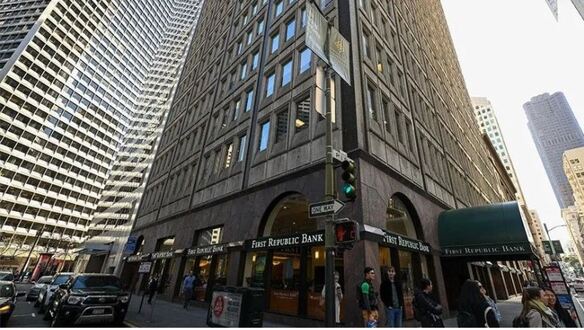
US banks faced unauthorized access by AI agents in customer accounts: Axios reports
Atlassian patched 176 flaw in Jira and Confluence: Fortinet Urges to Patch Flaws Affecting FortiOS, FortiManager
Hacker claim to access Rajasthan Police data: 70,000 records allegedly exposed
Update now! PHP2Shell: Critical PHP vulnerabilities patched
Trump says data centres should pay dividends to local community

Hackers Actively Exploiting Palo Alto VPN Flaw Via CVE-2026-0257
DeepSeek AI banned by U.S. Government; federal agencies must remove all related tools
CISA, NSA and NIST Publish New 10 AI Agent Control Guidelines
Claude AI Cracks 25-Year NSA Cryptography Number Mystery in Just 30 Minutes
Bypassing firewalls, AI Agents Accessed Indian ‘ Data Without Permission: CERT-In
The threats are completely empty, though, as no malware tools are used to encrypt or steal data. At worst, the group will instigate DDoS attacks to give the impression that a more serious attack is taking place, but the companies’ endpoints remain safe throughout.
The group is hoping to leech off of the recent successes of various ransomware groups, where big firms have incurred serious data leaks at their hands, with the aim of scaring other companies into blindly coughing up for fear of becoming the latest victim.
However, in the same email, they also said they were the Surtr group – known for the Ransomware as a service (RaaS) tool of the same name, whose developers may have once belonged to the REvil ransomware group that was taken down by law enforcement last year, but has since made a comeback.
In another email to another company, Midnight claimed they had stolen 600 gigabytes (GB) worth of data and again demanded a ransom. However, they sent the email to a senior partner who had left the company over six months ago.
Investigators at risk consultants Kroll found a marked increase in the number of emails companies were receiving purportedly from SRG.
“This method is cheap and easily conducted by low-skilled attackers… The scam relies on social engineering to extort victims by placing pressure on the victim to pay before a deadline,” they said.
They added that “We expect this trend to continue indefinitely due to its cost effectiveness and ability to continue to generate revenue for cybercriminals.”
Kroll investigators noted that such fake emails have been occurring since 2019, as have the DDoS attacks that ensue when companies refuse to pay a ransom.
Incidence response firm Arete added that Midnight seemed to be gong after companies that had already suffered a real ransomware attack, and that their ransom emails contained allusions to the real attacks to bolster their authenticity.
In some cases, Arete found that Midnight targeted undisclosed victims of real attacks, potentially indicating that the group is in collusion with genuine ransomware gangs. It is also possible that they ascertained this information from illicit forums where gangs discuss and post about their attacks and victims.
The advice to businesses is to carefully analyze for their veracity any phantom incident extortion (PIE) emails received, and to dismiss them if they appear anything less than the real thing, as, in that instance, they will more than likely be phishing attempts