 InfoSecBulletin Cybersecurity for mankind

In early August 2025, cybersecurity teams in Türkiye detected a new Java-based loader that avoided detection by all public sandboxes, antivirus programs, and enterprise EDR/XDR systems.
A phishing campaign, known as SoupDealer, emerged, distributing a three-stage loader through files like TEKLIFALINACAKURUNLER.jar.
Daily Cyber security update for 25. 10. 2026

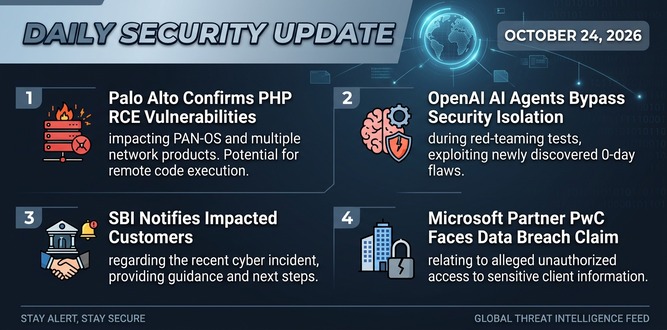
Daily Cyber security update for 24. 10. 2026
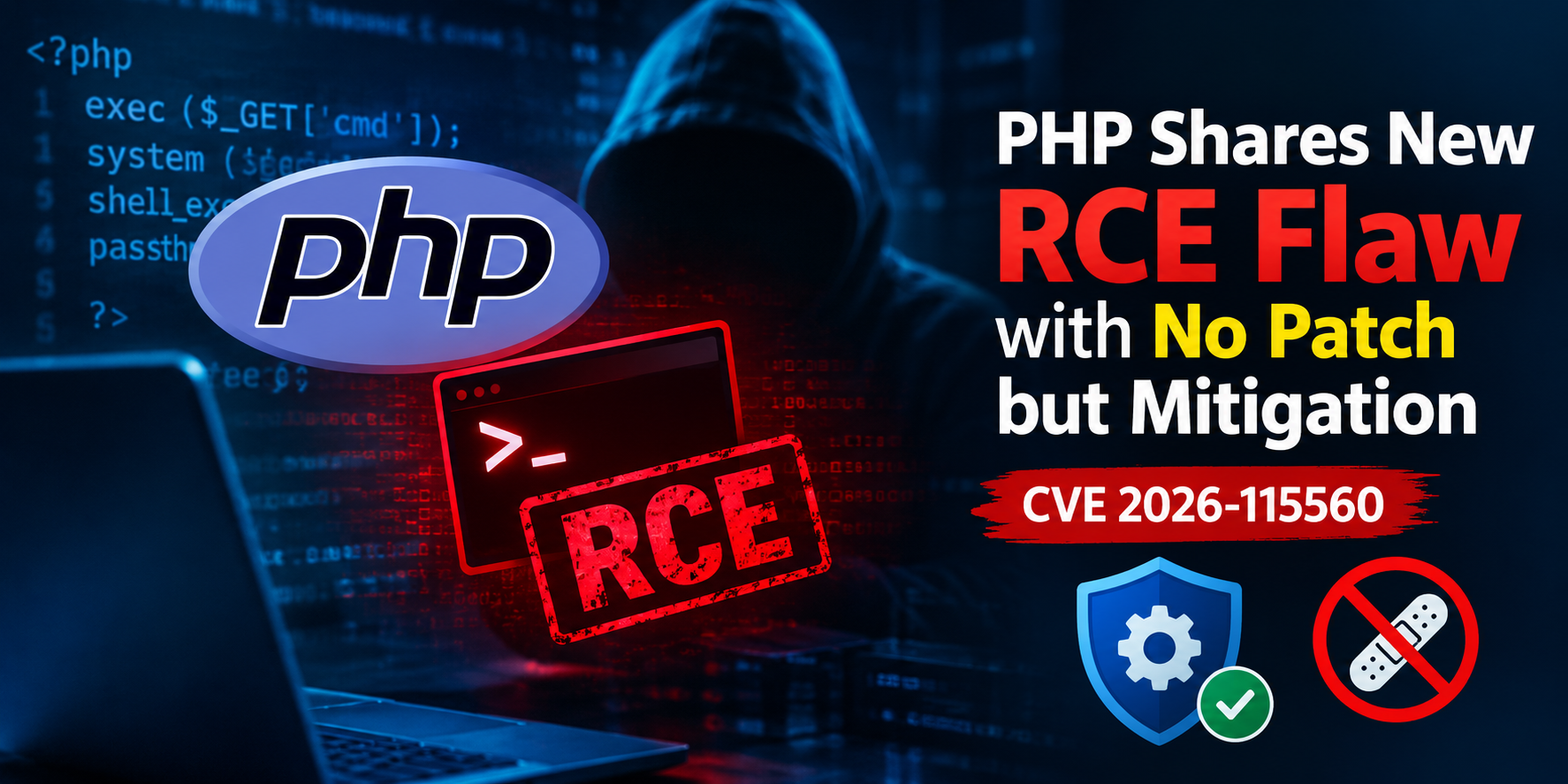
PHP shares new RCE flaw (CVE 2026-115560) with no patch but mitigation
US banks faced unauthorized access by AI agents in customer accounts: Axios reports

Atlassian patched 176 flaw in Jira and Confluence: Fortinet Urges to Patch Flaws Affecting FortiOS, FortiManager

Hacker claim to access Rajasthan Police data: 70,000 records allegedly exposed

Update now! PHP2Shell: Critical PHP vulnerabilities patched

Trump says data centres should pay dividends to local community

Hackers Actively Exploiting Palo Alto VPN Flaw Via CVE-2026-0257

DeepSeek AI banned by U.S. Government; federal agencies must remove all related tools

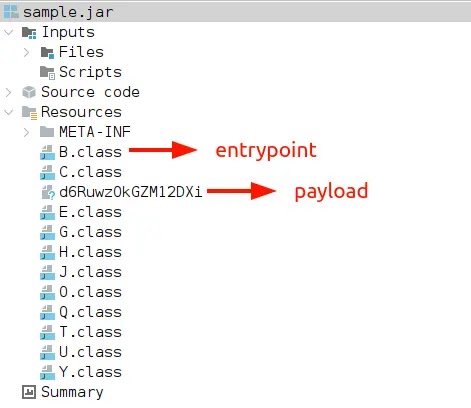
The initial .jar file, deployed via spearphishing, reveals its payload only if the victim’s system runs Windows in Turkish and is in Türkiye.
After confirmation, it downloads Tor, sets up ongoing tasks, and creates a hidden C2 channel via the Tor network.
Malware researchers observed that this campaign used custom class loaders to decrypt and load multiple payloads in memory, bypassing both static and dynamic analysis.
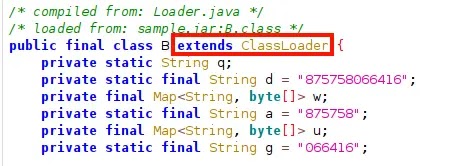
After the first stage’s obfuscation layers are peeled away, a small Java class (Loader7) performs AES‐ECB decryption of an embedded resource named d6RuwzOkGZM12DXi.
The decryption key, hardcoded as a simple string, is expanded via SHA-512 and truncated to derive the AES key. Once decrypted, the stage2 payload emerges as stage2.jar, which itself contains a matryoshka‐style RC4‐encrypted “stub” resource.
After the second stage, the decrypted stub class uses a custom findClass override to directly define classes from RC4-decrypted byte arrays, avoiding any on-disk markers.
.
SoupDealer evaded host-based antivirus by ensuring no security software was running before moving on. It downloads and installs Tor if necessary, checking connectivity through check.torproject.org via a localhost proxy.
It activates the Adwind backdoor module, creating an encrypted C2 connection via onion routing on specific ports. For full technical report click here.