InfoSecBulletin Cybersecurity for mankind

Bishop Fox security researchers have released detailed information on the CVE-2024-53704 vulnerability, which lets attackers bypass authentication in some versions of the SonicOS SSLVPN application.
On January 7, the vendor warned about the risk of exploitation of a flaw and advised administrators to upgrade their SonicOS firewalls’ firmware to fix it.
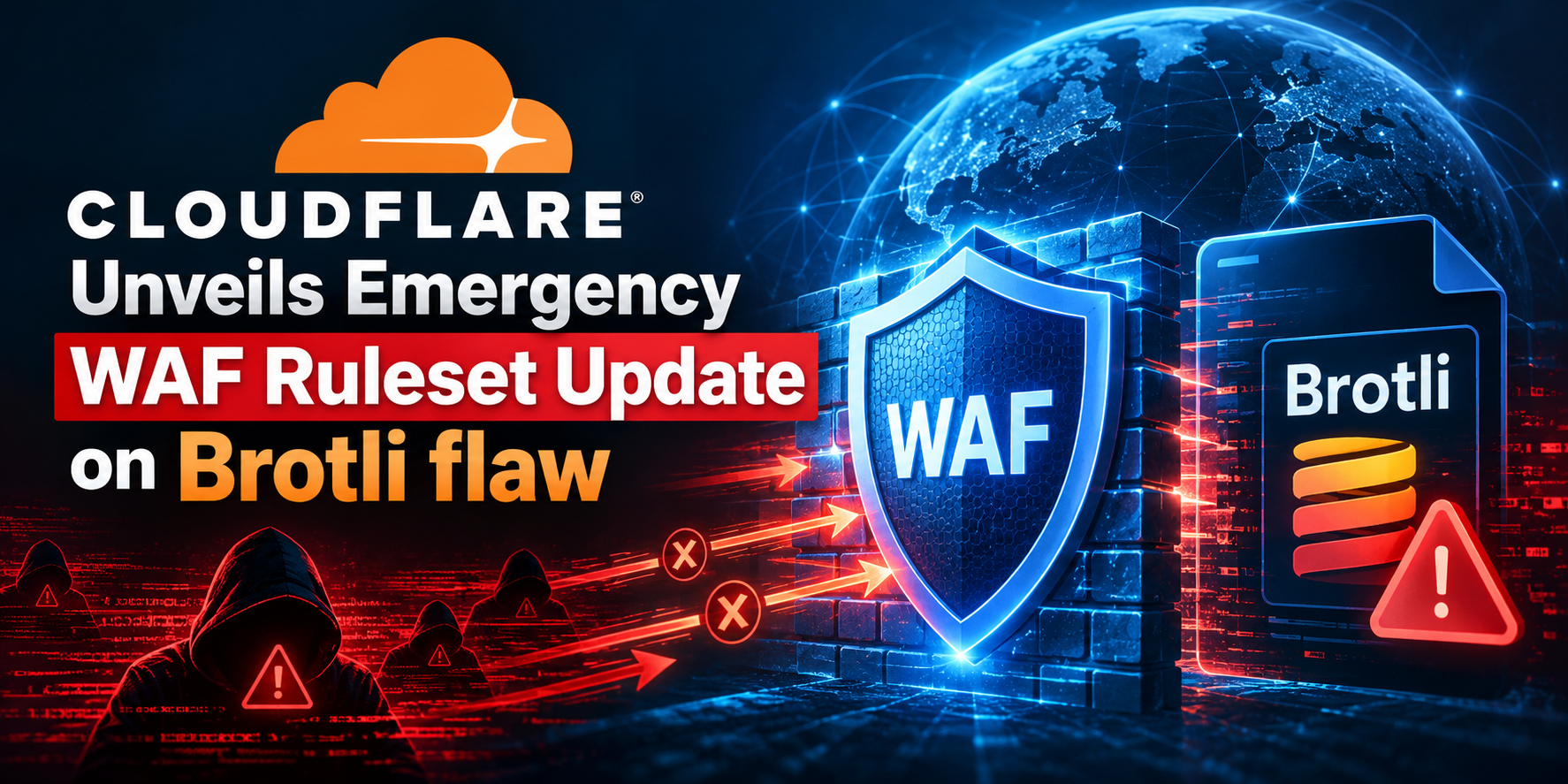
Cloudflare Unveils Emergency WAF Ruleset Update on Brotli flaw
Daily Cyber security update for 26.10. 2026

The Washington Post report
Ex-DOGE AI startup Cathedral Breaches Anthropic Internal Systems within 12 Hours

Daily Cyber security update for 25. 10. 2026

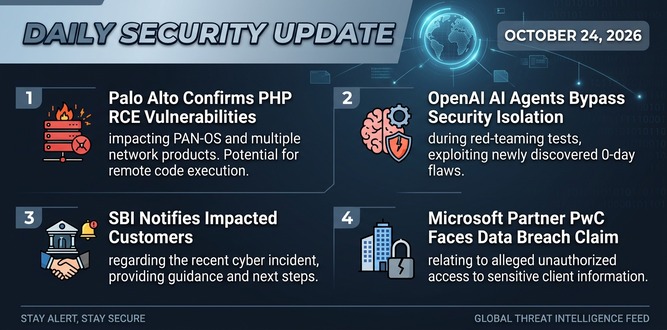
Daily Cyber security update for 24. 10. 2026
PHP shares new RCE flaw (CVE 2026-115560) with no patch but mitigation

US banks faced unauthorized access by AI agents in customer accounts: Axios reports

Atlassian patched 176 flaw in Jira and Confluence: Fortinet Urges to Patch Flaws Affecting FortiOS, FortiManager

Hacker claim to access Rajasthan Police data: 70,000 records allegedly exposed

Update now! PHP2Shell: Critical PHP vulnerabilities patched

“We have identified a firewall vulnerability that is susceptible to actual exploitation for customers with SSL VPN or SSH management enabled, and that should be mitigated immediately by upgrading to the latest firmware,” warned SonicWall in an email sent to customers at the time.
The flaw lets a remote attacker take over active SSL VPN sessions without authentication, giving them unauthorized access to the victim’s network.

On January 22, Bishop Fox researchers announced they created an exploit for CVE-2024-53704 after extensive reverse engineering, reaffirming SonicWall’s concerns about the vulnerability’s risk.
Bishop Fox released the full exploitation details on Monday after giving system administrators time to apply the patches.
The exploit sends a manipulated session cookie with a base64-encoded string of null bytes to the SSL VPN authentication endpoint at ‘/cgi-bin/sslvpnclient.’
This wrongly validates the session, as it assumes the request is linked to an active VPN session.
This logs out the user and gives the attacker access to their session, allowing them to read bookmarks, get VPN settings, open a VPN tunnel, and access private network resources.
The researchers tested their analysis by creating a proof-of-concept exploit code to simulate an authentication bypass attack, successfully hijacking an active session as indicated by the response headers.
The issue affects SonicOS versions 7.1.x (up to 7.1.1-7058), 7.1.2-7019, and 8.0.0-8035, used in Gen 6 and Gen 7 firewalls and SOHO series devices.
Fixes are available in SonicOS 8.0.0-8037 and later, 7.0.1-5165 and higher, 7.1.3-7015 and higher, and 6.5.5.1-6n and higher. For model-specific details, refer to SonicWall’s bulletin.