 InfoSecBulletin Cybersecurity for mankind
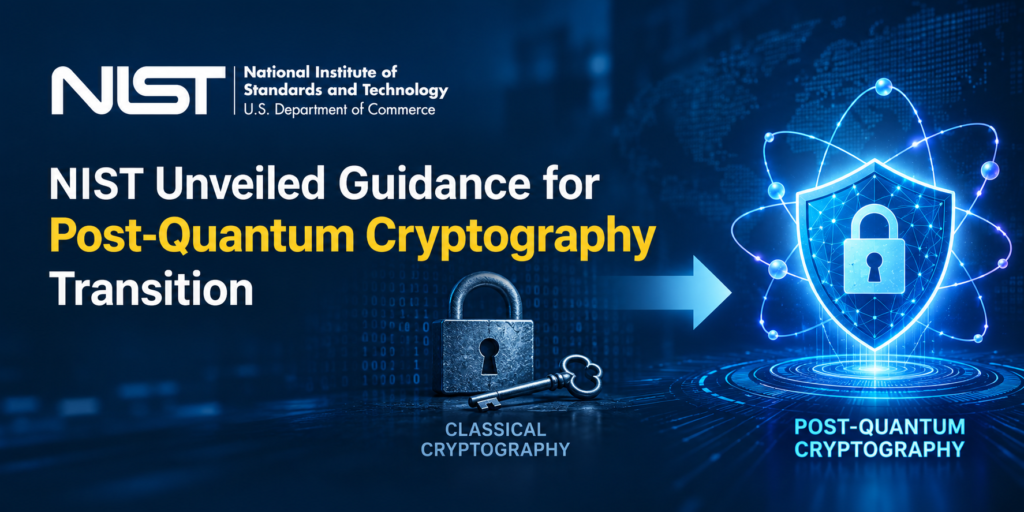
The National Institute of Standards and Technology (NIST) has shared advice on switching to post-quantum cryptography. This helps federal agencies and tech companies find a better way to secure against quantum threats.
Published October 27, 2026, the final report points out weak cryptographic standards, their new versions, and the schedules for changing plans. The report, Transition to Post-Quantum Cryptography Standards (NISTIR 8547), is based on three standards NIST finished in August 2024. Instead of creating a new algorithm, it shows how groups should stop using cryptography that future quantum computers might crack.
Over 1 million credit cards stolen in attack across 20 countries

Knight Squad Academy now serves as Bangladesh’s first CVE Numbering Authority

Daily Cyber security update for 18.11. 2026

Japan’s “Fugaku” supercomputer went offline after cyberattack

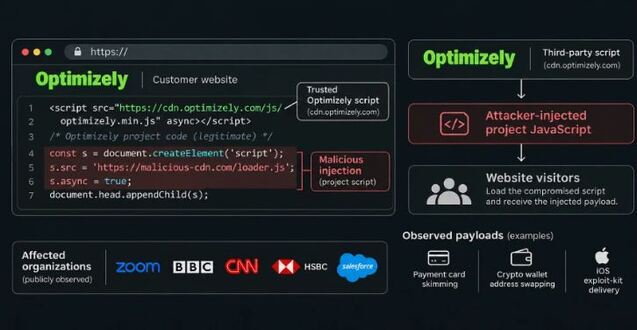
Hijacked Optimizely Scripts infect CNN, HSBC, BBC, Zoom, Salesforce sites with malware
Researcher Uncover 150 M Kik Profile Images Publicly Accessible Database

Months-old flaw led to a global Microsoft outage: said Microsoft

OWASP Top 10 Neocloud & AI Data Center Security Risks

Six 0-Days Discovered by Researchers Allow Unauthorized Access to Supermarket Fridge Systems

Daily Cyber security update for 14.11. 2026

A strong quantum computer could endanger the security systems that protect important messages and data. The main worry is “harvest now, decrypt later,” which means attackers gather encrypted info now and wait until they can use quantum tech to read it. Information that needs to stay secret for a long time is especially at risk.
NIST mathematician Dustin Moody, who leads the agency’s PQC standardization project, said migration requirements differ across use cases.
NIST Post-Quantum Cryptography Guidance
Organizations need to think about their systems, suppliers, and what they need to operate. They should not see the change as just one software update.
National Security Memorandum 10 set 2035 as the main goal for finishing the federal change. Executive Order 14412 moved up deadlines for federal important items and key systems, needing quantum-safe keys by 2030 and digital signatures by 2031.
These deadlines do not automatically apply to every private business. However, suppliers serving federal agencies should assess how customer requirements could affect their products and services.
NIST has two important tasks. FIPS 203 sets the rules for ML-KEM to create shared secret keys. FIPS 204 and FIPS 205 outline ML-DSA and SLH-DSA for digital signatures. These signatures help confirm authenticity and spot changes in signed data. Each function requires its own migration plan.
Organizations need to find out where they use cryptography, check if their suppliers are ready, and focus on systems that keep sensitive data safe for a long time. Information about MITRE’s plan for moving to post-quantum cryptography shows that preparation should start before quantum computers pose a real danger.
The report also lets teams use a mix of regular cryptography and new post-quantum methods. This can offer extra security, but it needs more computer power. Teams have to think about this balance with their deployment needs.
NIST helps organizations with support from its National Cybersecurity Center of Excellence project. This project works on seeing cryptography, focusing on important risks, and showing practical examples.
These resources link federal transition needs with the technical tasks needed to change weak cryptography in products, services, and supply chains without depending on one migration plan.
Related news:
CISA, NSA and NIST Publish New 10 AI Agent Control Guidelines
Claude AI Cracks 25-Year NSA Cryptography Number Mystery in Just 30 Minutes