InfoSecBulletin Cybersecurity for mankind
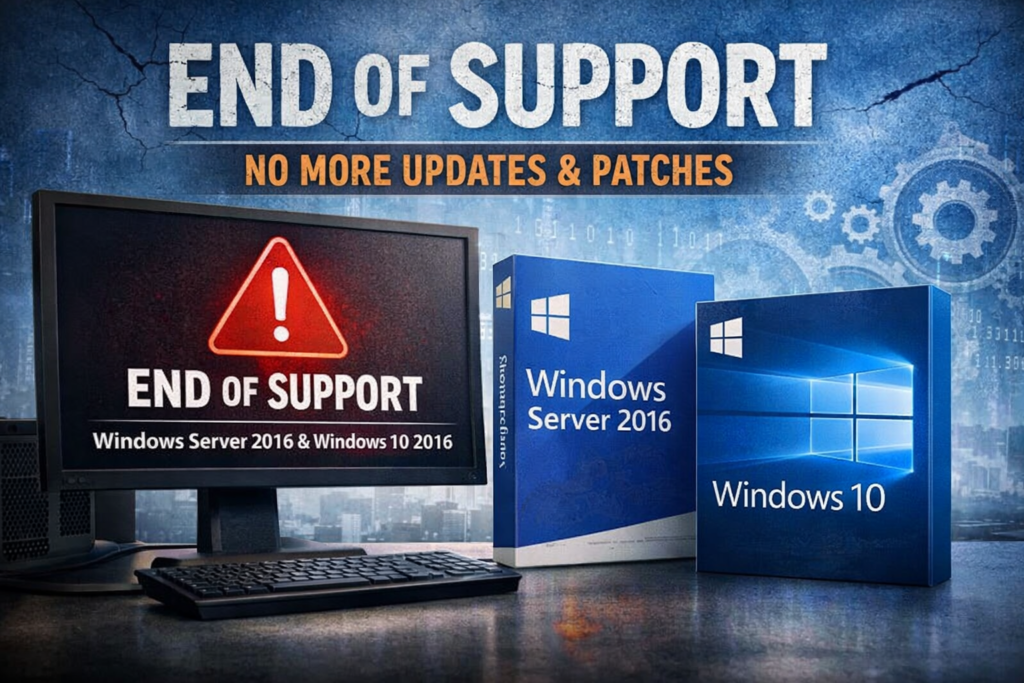
Organizations are reminded that three Windows versions released in 2016 are about to lose support. After the last monthly security update, they won’t receive security patches, bug fixes, non-security updates, support, or updated documentation anymore.
End Support for Legacy Windows Versions:
Citrix NetScaler SAML 0-Day Flaw Under Attack
Major Danish university breached, 200,000 users at risk

Microsoft’s X account hijacked to promote Clippy crypto scam

Critical cPanel, GitLab AI Gateway and Dell CSM Flaws Enable RCE And Admin Hijacking

Nearly 100,000 email addresses exposed in first AI-related data breach in Singapore

Hackers Exploit Zimbra Mail Servers: TeamViewer patched 5 critical flaws

Google Warns of Hackers Actively Exploiting Citrix 0-Day Flaws

CISA Warns Critical MikroTik RouterOS Flaw While Cisco SD-WAN Zero-Day Exploited in Attacks
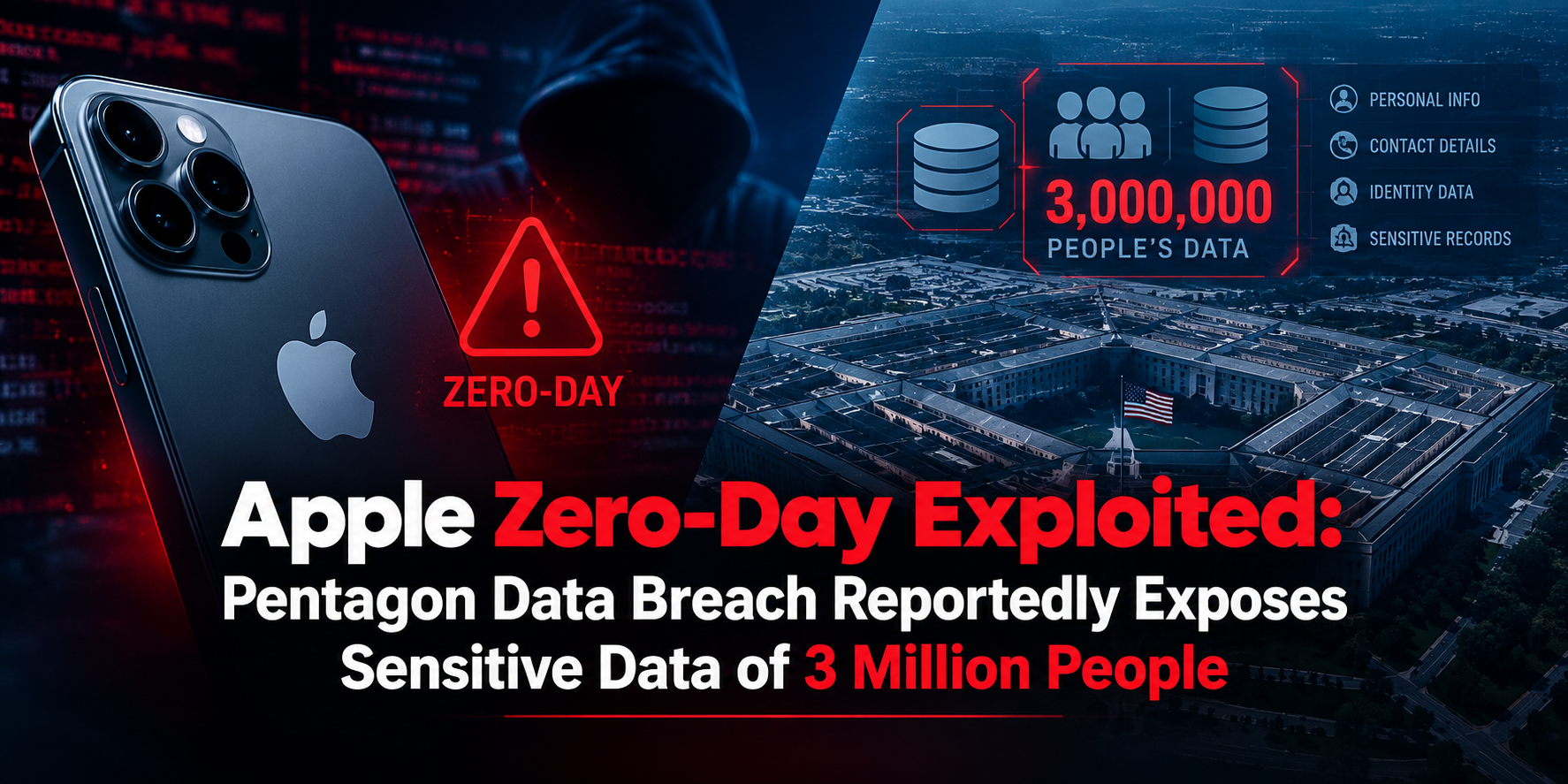
Apple Zero-Day Exploited: Pentagon Data Breach Reportedly Exposes Sensitive Data of 3 Million People
JadePuffer Agentic AI targets and destroys Azure’s cloud resources
For defenders, the key issue is the accumulation of risk after patching ends. Systems on outdated versions after the final Patch Tuesday will become non-compliant and more vulnerable to attacks as new security flaws emerge.
Microsoft notes that “LTSB” is the older name for today’s “LTSC” channel, designed for special-purpose devices; the naming shows up differently across documentation, but the lifecycle dates are what matter.
Microsoft advises upgrading instead of relying on extended coverage as a long-term solution. For servers, the recommended upgrade is to Windows Server 2025.
If timelines do not allow a full migration, Microsoft points to the Extended Security Updates (ESU) program as a temporary bridge for up to three years after the end-of-support date.
ESU provides only “critical” and “important” security updates (per Microsoft’s severity ratings) and offers limited technical support focused on ESU activation, update installation, and issues caused by updates.
ESU does not include new features, quality upgrades, design changes, or complete product support restoration. Microsoft will offer ESU for Windows 10 Enterprise 2016 LTSB through Volume Licensing or a Cloud Solution Provider in Q2 2026.
Priced at USD per device for the first year, with a discounted rate for systems managed by Intune or Windows Autopatch.
Microsoft warned that ESU pricing doubles every year for up to three years and accumulates, so enrolling in the second year requires payment for the first year as well. ESU for Windows 10 IoT Enterprise 2016 LTSB is available only through IoT OEMs.