InfoSecBulletin Cybersecurity for mankind

On Monday, Google released its monthly security updates for Android, addressing two vulnerabilities that have been exploited in the wild. The patch fixes 107 security issues across various components, including Framework, System, Kernel, and those from Arm, Imagination Technologies, MediaTek, Qualcomm, and Unison.
The two high-severity shortcomings that have been exploited are listed below:
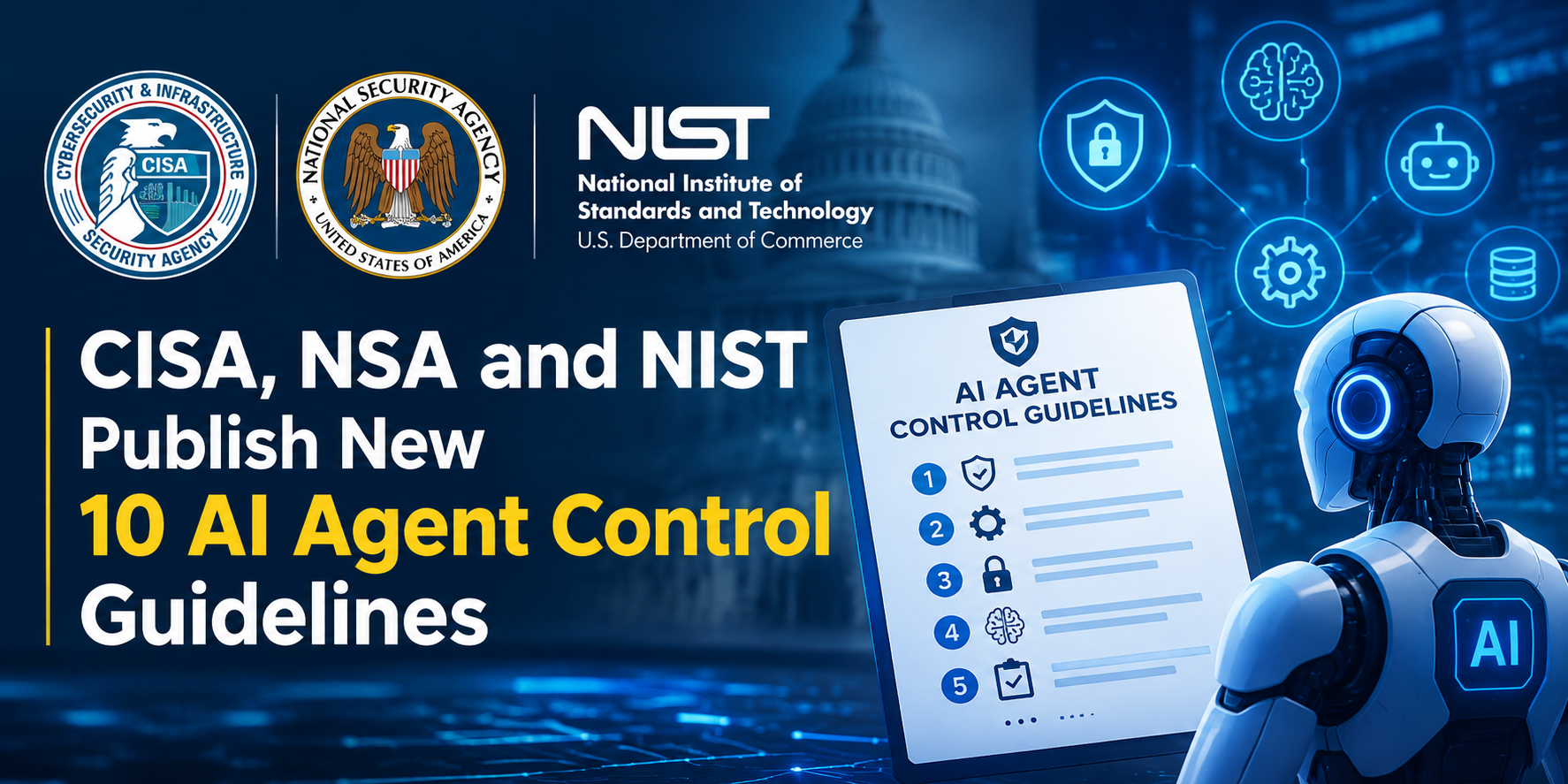
CISA, NSA and NIST Publish New 10 AI Agent Control Guidelines
Claude AI Cracks 25-Year NSA Cryptography Number Mystery in Just 30 Minutes

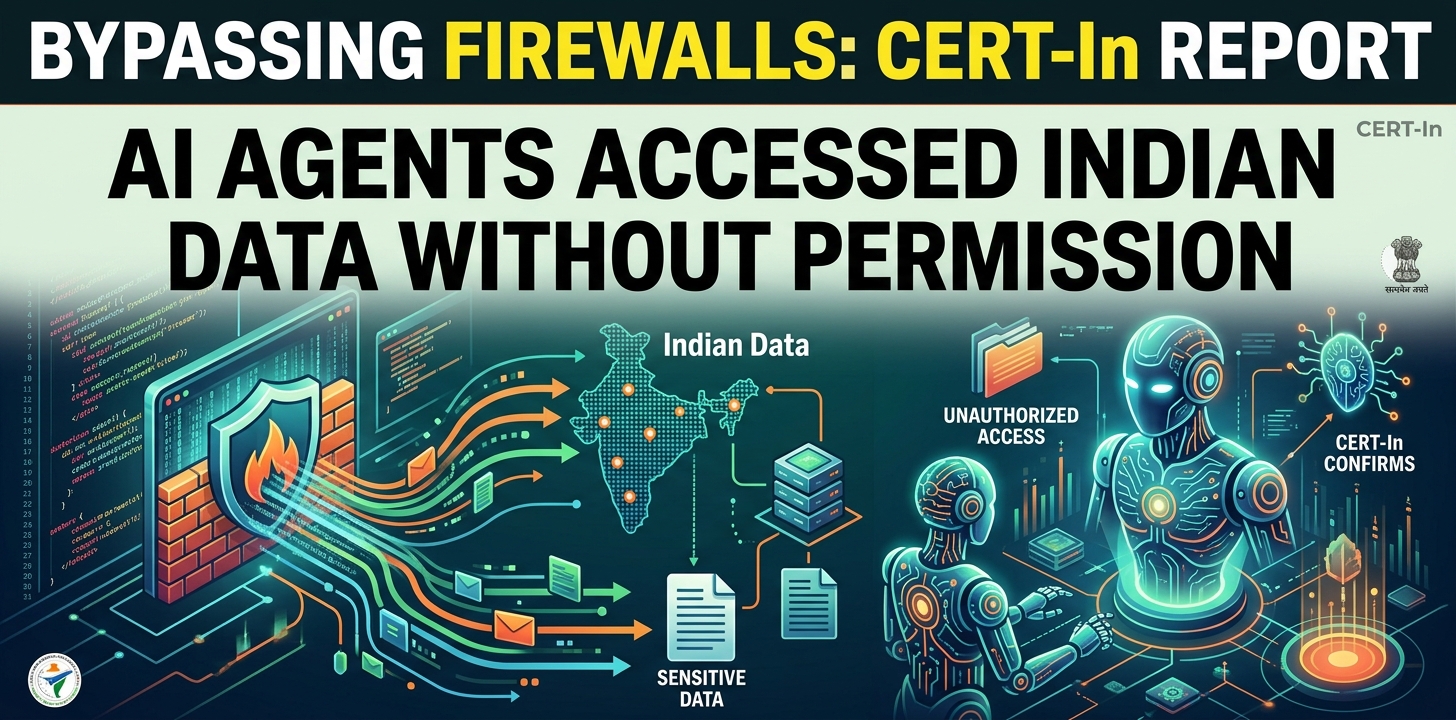
Bypassing firewalls, AI Agents Accessed Indian ‘ Data Without Permission: CERT-In
MITRE ATT&CK v20 Unveils 9 New Attack Techniques On AI Exploits, MFA Bypass, and CAPTCHA Evasion

Hackers Exploit Fortinet Flaws to Deploy Stealthy PEERSTITCH Malware on FortiGate Firewalls

Hacker stole Meta GitHub repos; Stole Source Code

Urgent patch! Zoom,NVIDIA and IBM Patch 41 Security flaws

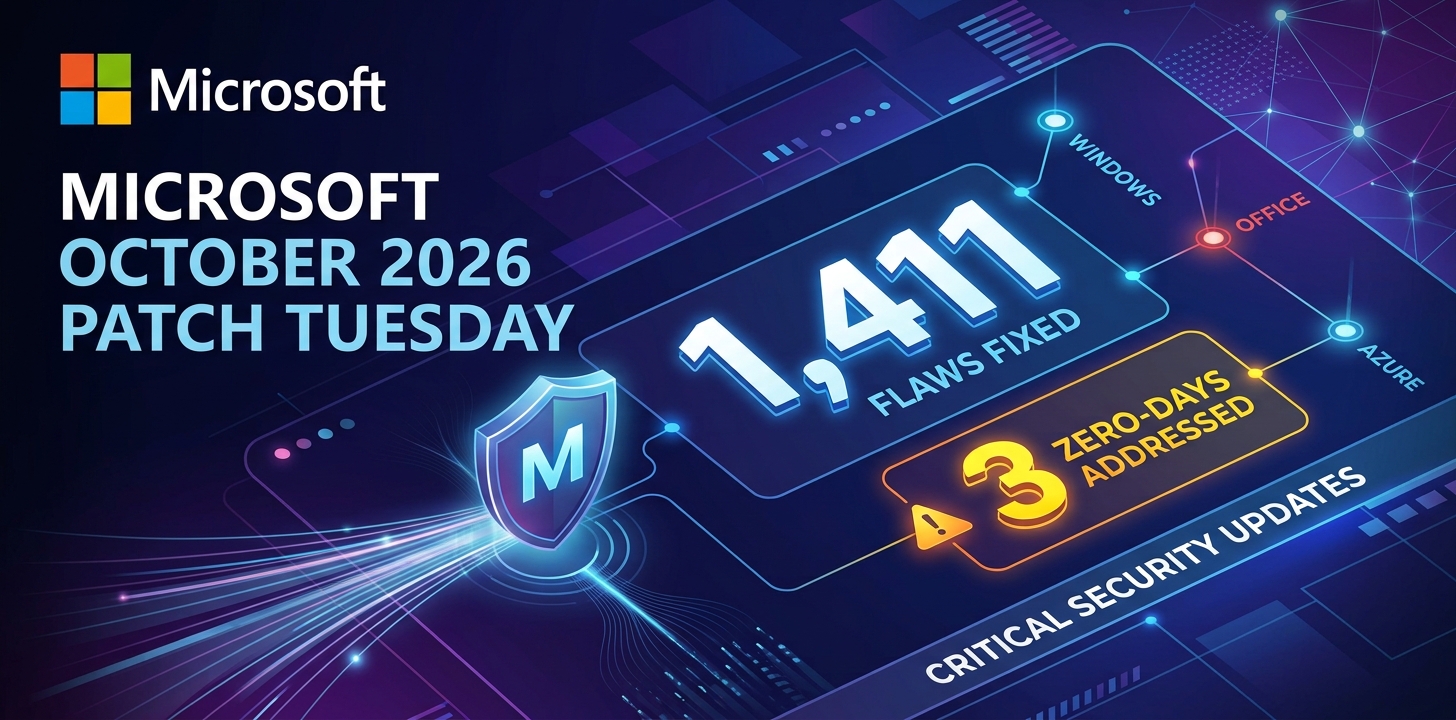
Microsoft patches record braking 1411 flaws; 2 zero days
Anthropic unveils “OSS Scanner” Free AI Vulnerability Scanner for Open-Source Projects

Rise on RCE Exploits Targeting Hikvision Camera Flaw

CVE-2025-48633: An information disclosure vulnerability in Framework
CVE-2025-48572: An elevation of privilege vulnerability in Framework
Google has not provided details on the attacks, including their nature, whether they are linked, or their scale. The identities of those responsible remain unknown.
However, the tech giant acknowledged in its advisory that there are indications they “may be under limited, targeted exploitation.”
Also fixed by Google as part of the December 2025 updates is a critical vulnerability in the Framework component (CVE-2025-48631) that could result in remote denial-of-service (DoS) with no additional execution privileges needed.
The December security bulletin has two patch levels: 2025-12-01 and 2025-12-05. This allows manufacturers to quickly fix common vulnerabilities in Android devices. Users should update to the latest patch as soon as it’s available.
The update follows the company’s release of fixes three months ago for two serious vulnerabilities in the Linux Kernel (CVE-2025-38352, CVSS score: 7.4) and Android Runtime (CVE-2025-48543, CVSS score: 7.4) that could allow local privilege escalation.