InfoSecBulletin Cybersecurity for mankind
Microsoft disclosed 48 vulnerabilities in its products and services in 2024. 46 of them are considered “important” severity.
A critical security vulnerability, known as CVE-2024-20674, was fixed on Tuesday. This vulnerability affects the Windows Kerberos authentication protocol. By carrying out a man-in-the-middle attack, an attacker could exploit this vulnerability to pretend to be the Kerberos authentication server and bypass the authentication process.
Hacker claim to access Rajasthan Police data: 70,000 records allegedly exposed

Update now! PHP2Shell: Critical PHP vulnerabilities patched

Trump says data centres should pay dividends to local community

Hackers Actively Exploiting Palo Alto VPN Flaw Via CVE-2026-0257

DeepSeek AI banned by U.S. Government; federal agencies must remove all related tools

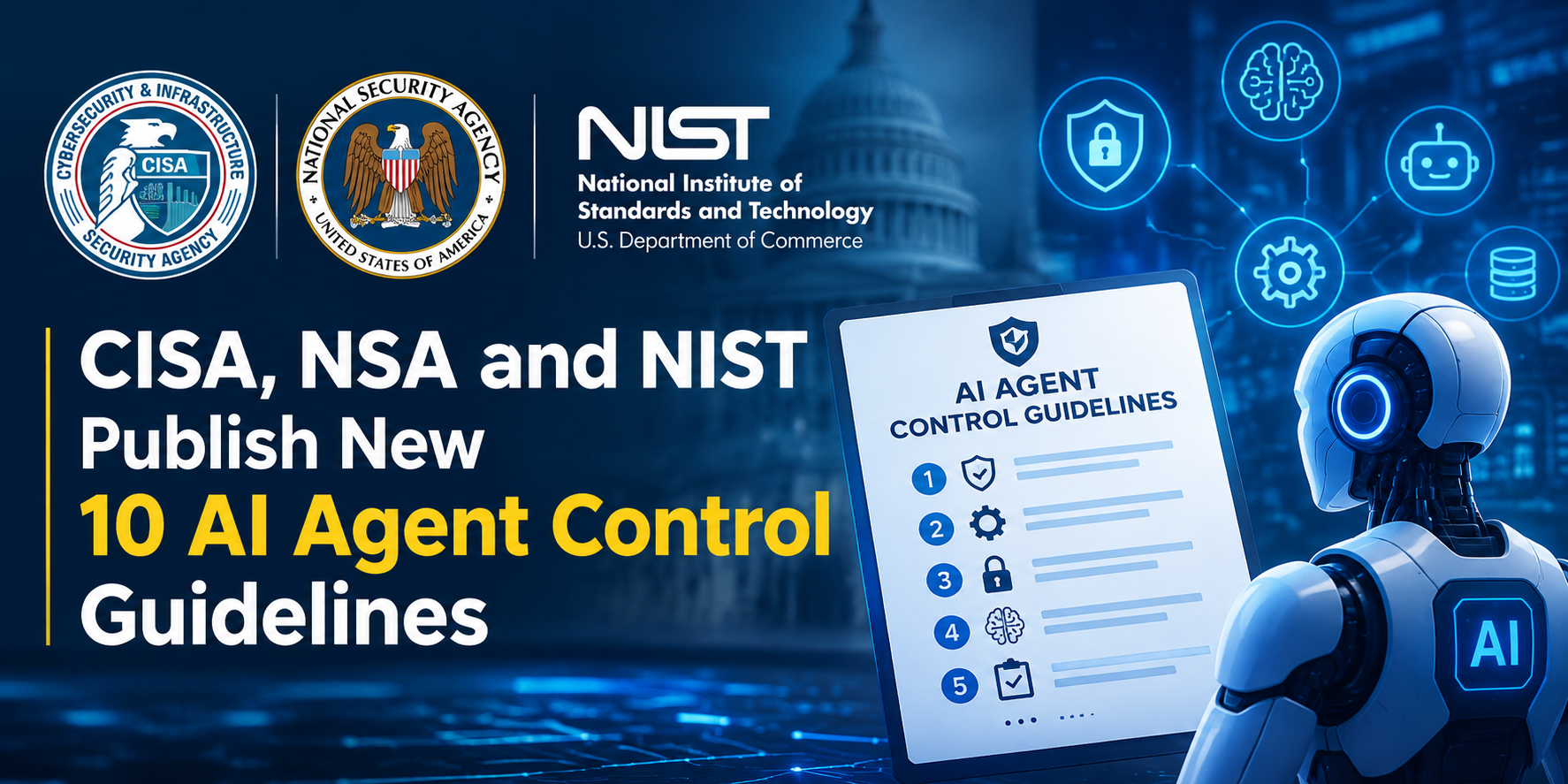
CISA, NSA and NIST Publish New 10 AI Agent Control Guidelines
Claude AI Cracks 25-Year NSA Cryptography Number Mystery in Just 30 Minutes

Bypassing firewalls, AI Agents Accessed Indian ‘ Data Without Permission: CERT-In

MITRE ATT&CK v20 Unveils 9 New Attack Techniques On AI Exploits, MFA Bypass, and CAPTCHA Evasion

Hackers Exploit Fortinet Flaws to Deploy Stealthy PEERSTITCH Malware on FortiGate Firewalls

Microsoft believes that the vulnerability is more likely to be exploited because Keberos is present on many popular operating systems.
Another important issue is CVE-2024-20700, which allows for remote code execution in Windows Hyper-V. An attacker needs to win a race condition and gain access to a restricted network for the exploit to work.
Two more remote code execution vulnerabilities are important: CVE-2024-21307 in Windows Remote Desktop Client and CVE-2024-21318 in SharePoint Server.
CVE-2024-21307 is a vulnerability that can be exploited when an authenticated user connects to a malicious remote desktop server. The server sends a specially designed Server RDP Preconnection that targets the remote client’s drive redirection virtual channel. This can result in remote code execution on the victim’s machine.
CVE-2024-21318 can be exploited by attackers with relative ease. They only need to write and inject specific code to SharePoint Server.
The Windows Kernel has a vulnerability called CVE-2024-20698, which allows an attacker to gain SYSTEM privileges. There are no details on how the attacker can exploit this vulnerability.
A complete list of all the other vulnerabilities Microsoft disclosed this month is available on its update page.