 InfoSecBulletin Cybersecurity for mankind
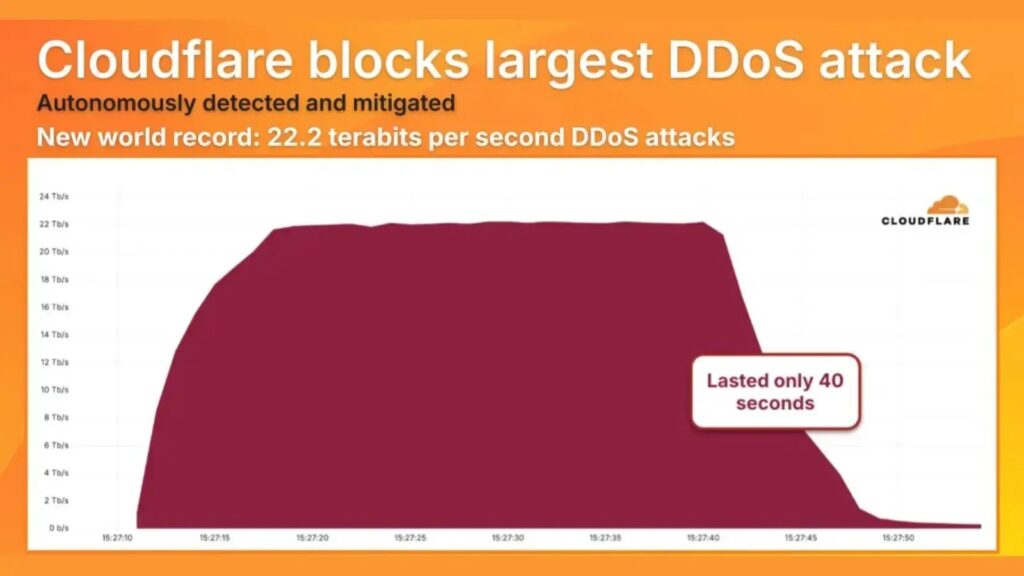
Cloudflare announced today that it has successfully defended against the largest recorded DDoS attack, which peaked at 22.2 terabits per second and 10.6 billion packets per second, surpassing the previous record of 11.5 Tbps. This event shows the growing intensity of cyber threats.

CISA, NSA and NIST Publish New 10 AI Agent Control Guidelines

Claude AI Cracks 25-Year NSA Cryptography Number Mystery in Just 30 Minutes

Bypassing firewalls, AI Agents Accessed Indian ‘ Data Without Permission: CERT-In

MITRE ATT&CK v20 Unveils 9 New Attack Techniques On AI Exploits, MFA Bypass, and CAPTCHA Evasion

Hackers Exploit Fortinet Flaws to Deploy Stealthy PEERSTITCH Malware on FortiGate Firewalls

Hacker stole Meta GitHub repos; Stole Source Code

Urgent patch! Zoom,NVIDIA and IBM Patch 41 Security flaws

Microsoft patches record braking 1411 flaws; 2 zero days

Anthropic unveils “OSS Scanner” Free AI Vulnerability Scanner for Open-Source Projects

Rise on RCE Exploits Targeting Hikvision Camera Flaw

Record‐Breaking Speed and Scale:
This record DDoS attack lasted just 40 seconds, much shorter than typical prolonged campaigns. During this time, attackers generated a massive traffic surge—over double the previous record—reaching 11.5 Tbps for 35 seconds.
By compressing massive volumes of traffic into a very short timeframe, threat actors aim to overwhelm defenses before they can mount an effective response. These “hit-and-run” tactics demand automated, machine-driven detection and mitigation systems that can work in real time at machine speed.
The attack used various strategies, mixing different packet types and amplification techniques for greater effect. These large-scale attacks are fueled by extensive botnets of hacked computers and IoT devices.
Bot herders take advantage of weak security in home routers, cameras, and devices to create networks of attack drones. They launch coordinated UDP floods, SYN floods, and reflection attacks, generating massive amounts of harmful traffic that can overwhelm even secure networks.
Cloudflare’s global network automatically detected and blocked the attack using its edge architecture and machine-learning analytics, without human help. It cleaned traffic near its source, stopping malicious packets from reaching the targeted servers.
This method is very different from older DDoS scrubbing centers that use manual traffic redirection and analysis, which can’t respond quickly or manage high traffic. Cloudflare’s automated system maintained the performance and availability of online services during the brief but severe attack.
Cybercriminals are improving their methods and expanding their botnets, which means hyper-volumetric DDoS attacks will likely become more frequent and severe.
Organizations need to assess if their security providers have the necessary network capacity and automated technology to handle attacks of this magnitude.