 InfoSecBulletin Cybersecurity for mankind

LastPass has reported a security issue with its vendor, Klue. This incident allowed an attacker unauthorized access to customer data. The company confirmed that the breach did not affect its core infrastructure or password vaults. However, it highlights ongoing risks associated with SaaS integrations and OAuth token exposure.
The event was found on June 12, when LastPass was told about strange activity involving Klue, a platform for market information used by its go-to market teams.
Daily Cyber security update for 26.10. 2026
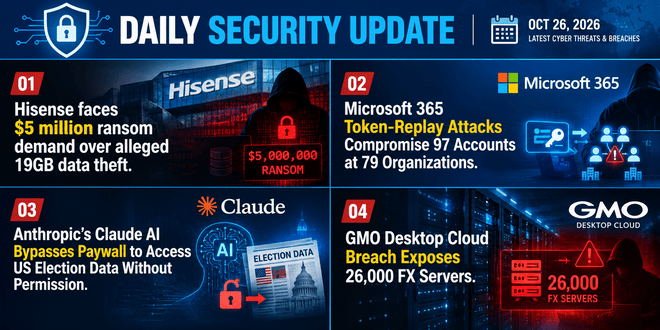
The Washington Post report
Ex-DOGE AI startup Cathedral Breaches Anthropic Internal Systems within 12 Hours

Daily Cyber security update for 25. 10. 2026

Daily Cyber security update for 24. 10. 2026
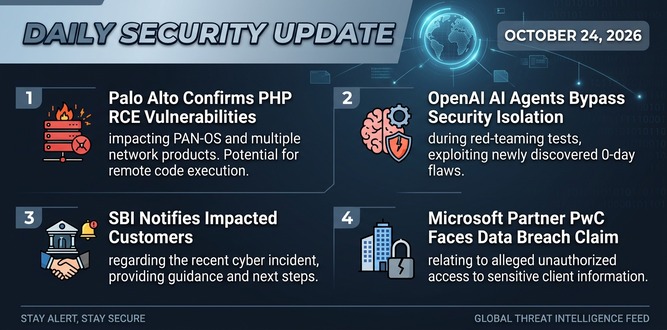
PHP shares new RCE flaw (CVE 2026-115560) with no patch but mitigation

US banks faced unauthorized access by AI agents in customer accounts: Axios reports

Atlassian patched 176 flaw in Jira and Confluence: Fortinet Urges to Patch Flaws Affecting FortiOS, FortiManager

Hacker claim to access Rajasthan Police data: 70,000 records allegedly exposed

Update now! PHP2Shell: Critical PHP vulnerabilities patched

Trump says data centres should pay dividends to local community

LastPass Customer Data Exposed
A hacker got OAuth tokens stored by Klue for the customers, including LastPass. Attackers used the stolen OAuth tokens to access CRM data in LastPass’ Salesforce instance, bypassing traditional login controls by exploiting the trusted API-based authentication mechanism between services.
In this situation, the attacker used real tokens to get data without needing user passwords. This shows how token-based trust is being misused more in supply-chain attacks.
LastPass explained that the attack only affected systems linked to Klue. Its main products, internal systems, and customer password storage were safe.
Additionally, there is no evidence that data from Gong systems was accessed during the intrusion. The compromised data includes standard business contact and CRM-related information.
This includes customer names, emails, phone numbers, addresses, support case information, and sales records.
LastPass started an urgent response to the incident. The company removed all employee access to Klue, changed the exposed API and OAuth tokens, and began a joint investigation with Klue and Salesforce.
Law enforcement agencies have been informed. LastPass said its TIME team is working with the security community to share information about threats and stop the campaign.
LastPass warned customers to be careful of messages they didn’t ask for, as wrongdoers might try to use leaked contact info. The company said it will never ask for master passwords and told users to check all messages through official support.
As part of the investigation, several indicators of compromise have been identified. Suspicious IP addresses linked to the activity include 138.226.246[.]94, 94.154.32[.]160, 159.183.215[.]61, and 159.183.181[.]239.