InfoSecBulletin Cybersecurity for mankind

The Interlock ransomware group has been exploiting a remote code execution (RCE) flaw in Cisco’s Secure Firewall Management Center (FMC) software in zero-day attacks since late January.
Cisco fixed the security issue (CVE-2026-20131) on March 4. They warned that this flaw could let attackers run any Java code as root on devices that have not been updated.
Daily Cyber security update for 24. 10. 2026
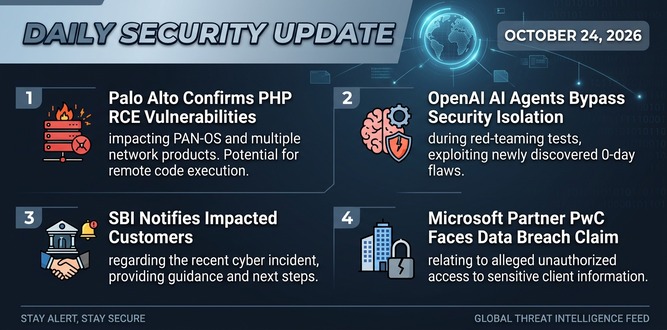
PHP shares new RCE flaw (CVE 2026-115560) with no patch but mitigation

US banks faced unauthorized access by AI agents in customer accounts: Axios reports

Atlassian patched 176 flaw in Jira and Confluence: Fortinet Urges to Patch Flaws Affecting FortiOS, FortiManager

Hacker claim to access Rajasthan Police data: 70,000 records allegedly exposed

Update now! PHP2Shell: Critical PHP vulnerabilities patched

Trump says data centres should pay dividends to local community

Hackers Actively Exploiting Palo Alto VPN Flaw Via CVE-2026-0257

DeepSeek AI banned by U.S. Government; federal agencies must remove all related tools

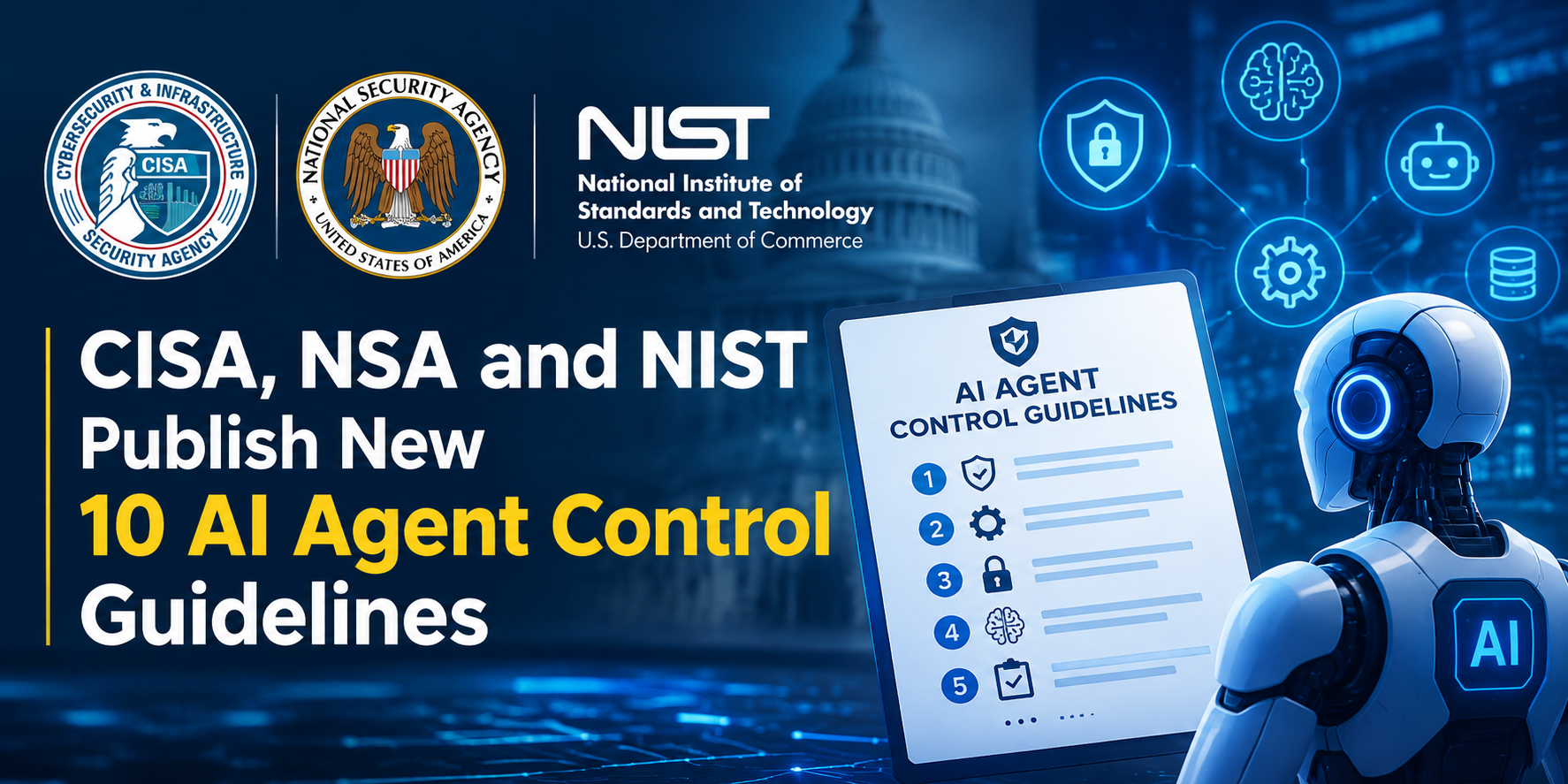
CISA, NSA and NIST Publish New 10 AI Agent Control Guidelines
The Amazon security team said on Wednesday that the Interlock ransomware group had been using the Secure FMC problem to target company firewalls for over a month before it was fixed.
The attack process sends special HTTP requests to a certain point in the affected software to run any Java code. After this, the hacked system sends an HTTP PUT request to an outside server to show the attack worked. Once this is done, commands are sent to get an ELF binary from a remote server, which has other tools related to Interlock.
“While looking for any current or past exploits of this vulnerability, our research found that Interlock was exploiting this vulnerability 36 days before its public disclosure, beginning January 26, 2026,” said CJ Moses, CISO of Amazon Integrated Security.
“This wasn’t just another vulnerability exploit, Interlock had a zero-day in their hands, giving them a week’s head start to compromise organizations before defenders even knew to look.”

“On March 4, 2026, Cisco issued a security advisory disclosing a vulnerability in the web interface of Cisco Secure Firewall Management Center Software,” Cisco told BleepingComputer on Wednesday in an email statement after publishing. “We appreciate Amazon’s partnership on this, and we have updated our security advisory with the latest information. We strongly urge customers to upgrade as soon as possible and reference our security advisory for more details and guidance.”
Since the start of the year, Cisco has worked on fixing many security problems that were used by hackers. For example, in January, it fixed a serious Cisco AsyncOS flaw that was used to break into secure email devices since November and fixed an important Unified Communications RCE that was also used in attacks.
Last month, Cisco fixed a serious flaw that was used as a zero-day to get around Catalyst SD-WAN login. This let attackers take control of controllers and add harmful rogue peers to specific networks.