 InfoSecBulletin Cybersecurity for mankind


The Russia-linked group UAC-0001, or APT28, is exploiting a zero-day vulnerability in Microsoft Office. The group exploits this flaw to install advanced malware targeting Ukrainian government and EU organizations.
The vulnerability, identified as CVE-2026-21509, was disclosed by Microsoft on January 26, 2026, with warnings about active exploitation in the wild.
USA Bimbo Bakeries Confirms Data Stolen in Oracle EBS Zero-Day Attack

ALERT
Roundcube Webmail fixes 12 security flaws, including zero-click XSS and SSRF bypass

New HOOKEDGE Backdoor Deployed by Hackers in European Espionage

Hackers Exploiting MikroTik RouterOS Flaw Gaining Network Access

CrowdStrike launches SafeMind, the first agentic cybersecurity solution for defenders

Claude, DeepSeek, and Qwen AI agents combinedly used to hit gov.t across Asia

India: C-DOT Launches 14 Local Quantum-Safe Technologies

14,000 Dahua cameras compromised: TP-Link flaws enable RCE

Microsoft Reveals Project Zenith Windows PCs Able to Run 30B+ AI Models Locally

Google issues warning of new Chrome zero-day flaw exploited

Rapid Exploitation After Disclosure:
On January 27, 2026, security researchers discovered a malicious DOC file titled “Consultation_Topics_Ukraine(Final).doc” containing an exploit for CVE-2026-21509.
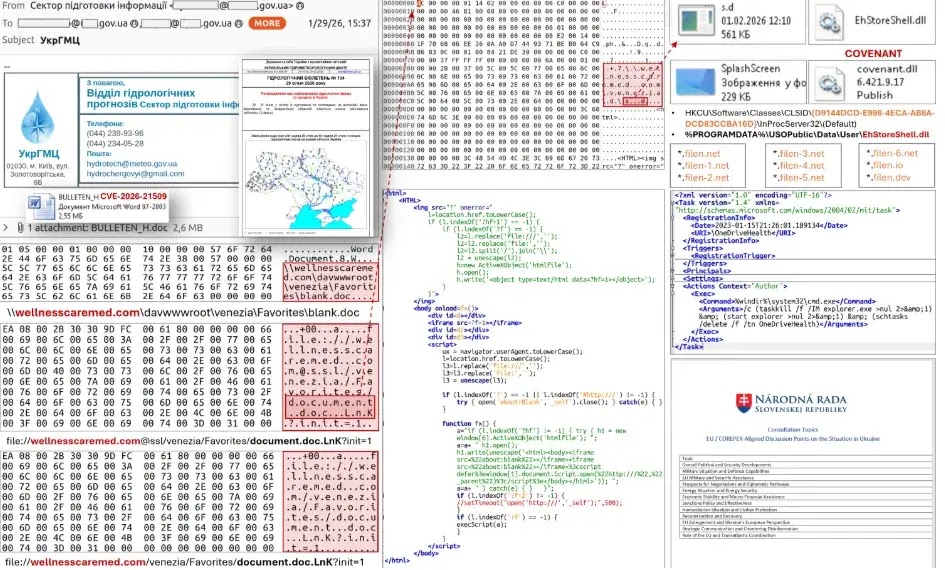
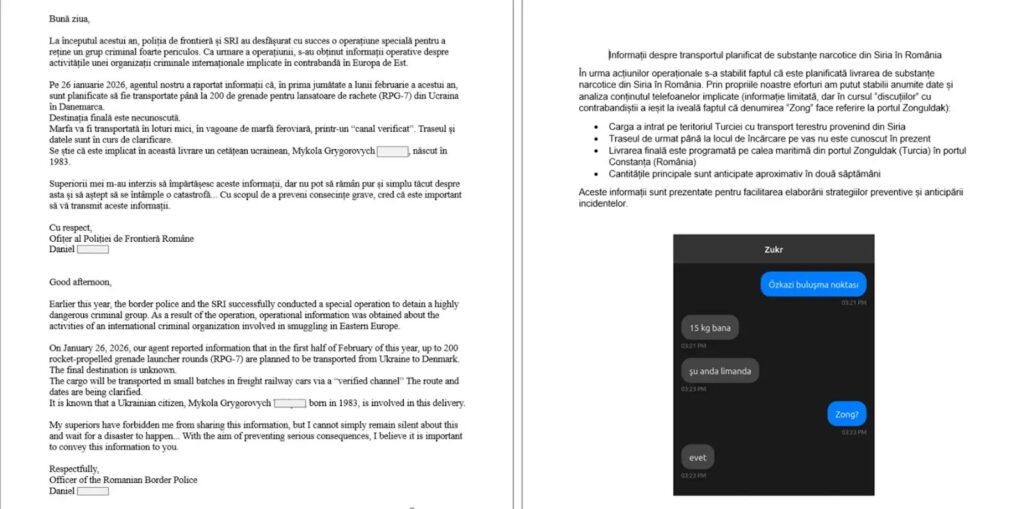
The document focused on COREPER consultations about Ukraine, showcasing how attackers used social engineering tactics linked to geopolitics.
On January 29, 2026, CERT-UA discovered a large phishing campaign distributing fake weather bulletins from the Ukrhydrometeorological Center. The campaign targeted over 60 email addresses, primarily belonging to Ukrainian central executive bodies.
The attack uses COM hijacking by altering Windows registry entries and sets up a scheduled task called “OneDriveHealth” to remain persistent.
The final payload, COVENANT, is an advanced post-exploitation framework that utilizes Filen cloud storage (filen.io) for communication.
This method avoids detection by mixing harmful traffic with normal cloud service use. More malicious documents aimed at EU countries were found in late January 2026.
Attackers registered domain names for their attack infrastructure on the same day as the attack, showing their quick operational skills.
CERT-UA security experts warn that exploitation attempts are likely to rise because of slow patching and users not updating Microsoft Office quickly.
Organizations should promptly apply Microsoft’s recommended registry mitigations, monitor connections to FileCloud storage, and block known threats.