InfoSecBulletin Cybersecurity for mankind

As of March 2024, X-Force is tracking the APT28 group is carrying out phishing campaigns using fake government and non-governmental organization documents to target different regions around the world, including Central Asia, Europe, the South Caucasus, and North and South America.
The discovered lures include a mix of public and internal documents. They are related to various fields such as critical infrastructure, finance, cybersecurity, executive engagements, healthcare, maritime security, defense industrial production, and business. The cybersecurity firm is monitoring the activity cluster known as ITG05 or Fancy Bear, BlueDelta, Blue Athena, Fighting Ursa, UAC-028, TA422, Sofacy, Sednit, Pawn Storm, Iron Twilight, and FROZENLAKE.
CISA adds PHP2Shell to KEV, PHP Releases New Security Updates to Fix Critical HTTP2Shell flaw

Cloudflare Unveils Emergency WAF Ruleset Update on Brotli flaw

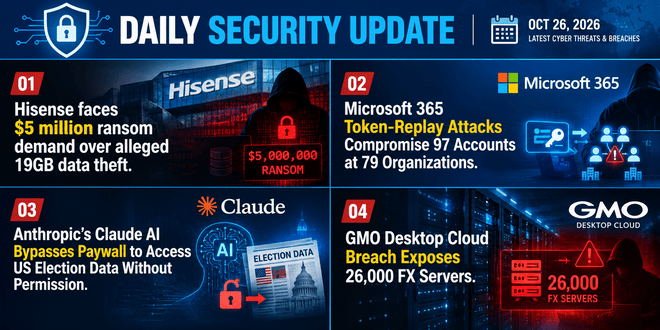
Daily Cyber security update for 26.10. 2026
The Washington Post report
Ex-DOGE AI startup Cathedral Breaches Anthropic Internal Systems within 12 Hours

Daily Cyber security update for 25. 10. 2026

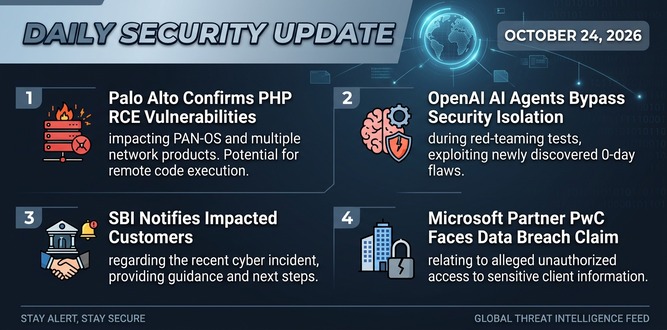
Daily Cyber security update for 24. 10. 2026
PHP shares new RCE flaw (CVE 2026-115560) with no patch but mitigation

US banks faced unauthorized access by AI agents in customer accounts: Axios reports

Atlassian patched 176 flaw in Jira and Confluence: Fortinet Urges to Patch Flaws Affecting FortiOS, FortiManager

Hacker claim to access Rajasthan Police data: 70,000 records allegedly exposed

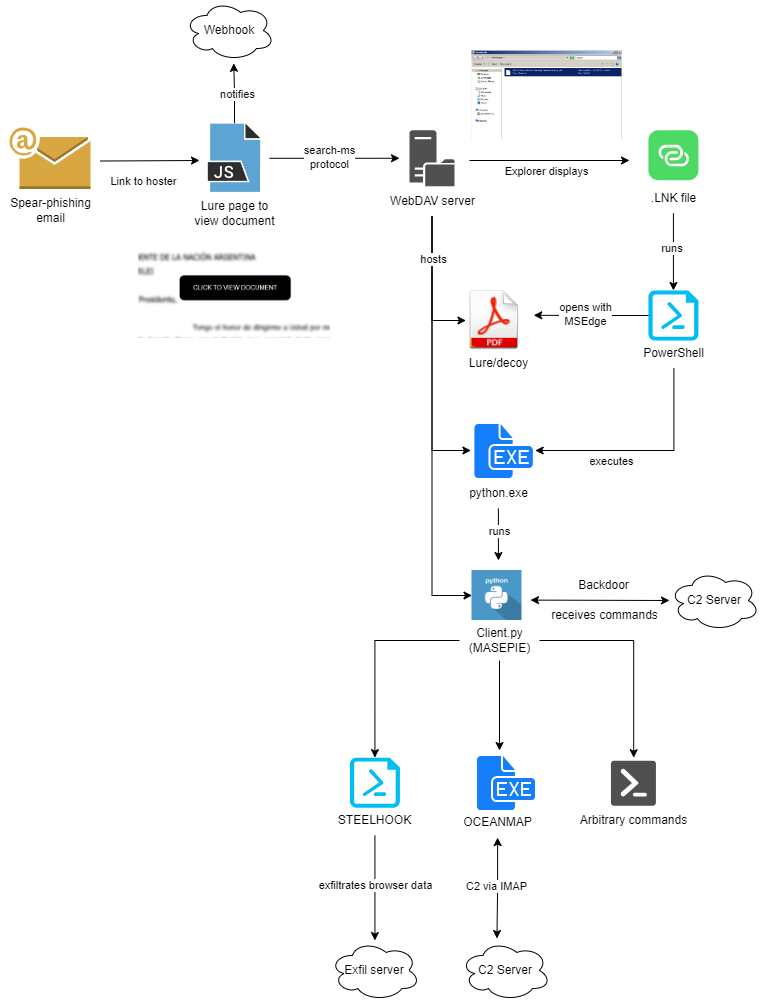
After three months of revealing that the threat actor used lures related to the Israel-Palestine war to spread a custom backdoor called HeadLace, a follow-up is necessary. APT28 has targeted Ukrainian government entities and Polish organizations with phishing emails containing implants and infostealers like OCEANMAP, MASEPIE, and STEELHOOK.
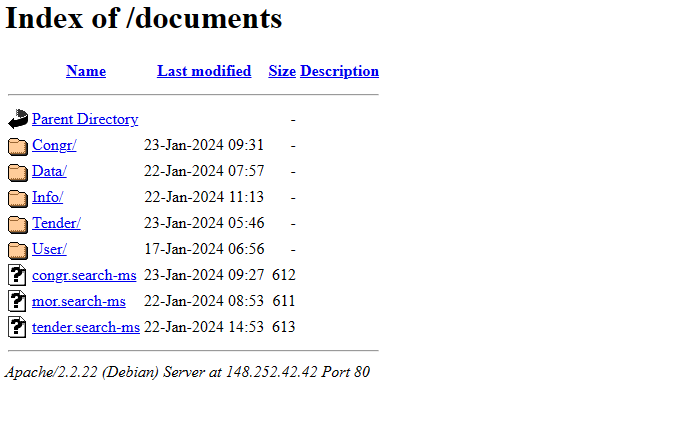
“Beginning in November 2023, we observed ITG05 using the “search-ms” URI handler, a new technique for the group, leading victims to download malware hosted on actor-controlled WebDAV servers,” said the cybersecurity analysts.
Other attacks by the opponent used weaknesses in Microsoft Outlook (CVE-2023-23397, with a score of 9.8) to steal NTLMv2 hashes. This could allow the threat actor to exploit other weaknesses to take and use these hashes in relay attacks.
Between late November 2023 and February 2024, there were campaigns that used Microsoft Windows’ “search-ms:” URI protocol handler to trick users into downloading malware from WebDAV servers. These servers and the MASEPIE C2 servers may be hosted on compromised Ubiquiti routers, which was a botnet taken down by the U.S. government.
Phishing attacks pretend to be from different countries such as the U.S., Azerbaijan, Armenia, Poland, Kazakhstan, Belarus, Georgia, Ukraine, and Argentina. They use government and non-government documents to start the infection process. The attacks end with the use of malware like MASEPIE, STEELHOOK, and OCEANMAP. These malware can steal files and browser data, as well as execute commands.
APT28 is capable of adapting to new opportunities by utilizing new methods of infection and taking advantage of easily accessible infrastructure. They also constantly update their malware arsenal.