InfoSecBulletin Cybersecurity for mankind

Hackers are exploiting an unauthenticated remote code execution vulnerability in the Samsung MagicINFO 9 Server to take control of devices and install malware.
The server allows file uploads to update display content, but hackers are using this feature to upload malicious code.
PHP shares new RCE flaw (CVE 2026-115560) with no patch but mitigation

US banks faced unauthorized access by AI agents in customer accounts: Axios reports

Atlassian patched 176 flaw in Jira and Confluence: Fortinet Urges to Patch Flaws Affecting FortiOS, FortiManager

Hacker claim to access Rajasthan Police data: 70,000 records allegedly exposed

Update now! PHP2Shell: Critical PHP vulnerabilities patched

Trump says data centres should pay dividends to local community

Hackers Actively Exploiting Palo Alto VPN Flaw Via CVE-2026-0257

DeepSeek AI banned by U.S. Government; federal agencies must remove all related tools

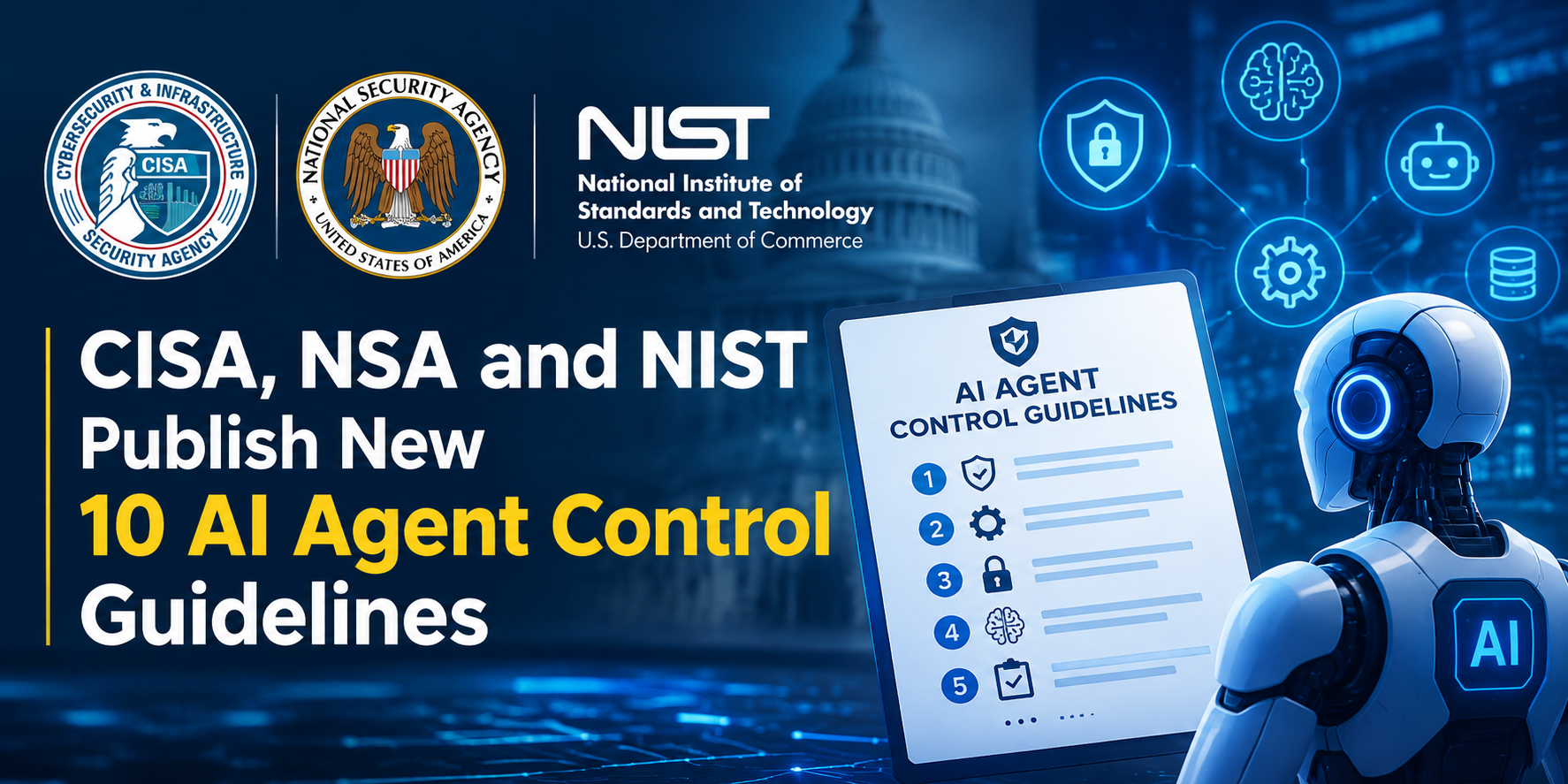
CISA, NSA and NIST Publish New 10 AI Agent Control Guidelines
Claude AI Cracks 25-Year NSA Cryptography Number Mystery in Just 30 Minutes

The flaw identified as CVE-2024-7399 was publicly disclosed in August 2024 and fixed in version 21.1050.
The vendor describes a vulnerability in Samsung MagicINFO 9 Server as an “Improper limitation of a pathname to a restricted directory,” which allows attackers to write arbitrary files with system authority.”
On April 30, 2025, security researchers at SSD-Disclosure published detailed information and a demonstration exploit that allows remote code execution on the server without needing to log in, using a JSP web shell.
The attacker uploads a malicious .jsp file through an unauthenticated POST request, using a vulnerability to place it in a publicly accessible location.
By visiting the uploaded file, they can run commands on the operating system and view the results in the browser.
Arctic Wolf now reports that the CVE-2024-7399 flaw is being actively exploited just days after the PoC’s release, showing that attackers have started using the disclosed method in real attacks.
“Given the low barrier to exploitation and the availability of a public PoC, threat actors are likely to continue targeting this vulnerability,” warned Arctic Wolf.
Another confirmation of active exploitation comes from threat analyst Johannes Ullrich, who reported seeing a Mirai botnet malware variant using CVE-2024-7399 to take over devices.
System administrators should quickly fix CVE-2024-7399 by upgrading the Samsung MagicINFO Server to version 21.1050 or later.