Friday , October 23 2026
20 million

Hacker Claims 20 Million OpenAI Logins for sale

A threat actor has reportedly acquired login details, including passwords and email addresses, for 20 million OpenAI accounts. GBHackers report states that an underground forum user claimed to sell a sample of data and the full batch for a low price.

The authenticity of these claims is unverified, but the situation has raised serious concerns about data security in the AI industry.

US banks faced unauthorized access by AI agents in customer accounts: Axios reports

Major US banks have detected unauthorized access to customer accounts by third-party AI agents, with some systems taking actions beyond...
Read More
US banks faced unauthorized access by AI agents in customer accounts: Axios reports

Atlassian patched 176 flaw in Jira and Confluence: Fortinet Urges to Patch Flaws Affecting FortiOS, FortiManager

Fortinet has urged customers to prioritize security updates for FortiOS, FortiManager, and FortiAnalyzer scheduled for October 22, 2026. The coordinated...
Read More
Atlassian patched 176 flaw in Jira and Confluence: Fortinet Urges to Patch Flaws Affecting FortiOS, FortiManager

Hacker claim to access Rajasthan Police data: 70,000 records allegedly exposed

Hacker offers to sell Rajasthan Government’s Department of Information Technology & Communication (DoIT&C) data in a underground forum. The threat...
Read More
Hacker claim to access Rajasthan Police data: 70,000 records allegedly exposed

Update now! PHP2Shell: Critical PHP vulnerabilities patched

The PHP team released urgent security updates to fix PHP2Shell, two serious flaws (CVE-2026-109618 and CVE-2026-109619) that let attackers run...
Read More
Update now! PHP2Shell: Critical PHP vulnerabilities patched

Trump says data centres should pay dividends to local community

US President Donald Trump said on Wednesday that companies ​building data centers should pay a "dividend" to the communities ‌where...
Read More
Trump says data centres should pay dividends to local community

Hackers Actively Exploiting Palo Alto VPN Flaw Via CVE-2026-0257

Ransomware groups are using a flaw in Palo Alto Networks GlobalProtect VPN to get around multi-factor authentication and access corporate...
Read More
Hackers Actively Exploiting Palo Alto VPN Flaw Via CVE-2026-0257

DeepSeek AI banned by U.S. Government; federal agencies must remove all related tools

The U.S. Department of Homeland Security (DHS) ordered federal agencies to stop using DeepSeek products and remove it from all...
Read More
DeepSeek AI banned by U.S. Government; federal agencies must remove all related tools

CISA, NSA and NIST Publish New 10 AI Agent Control Guidelines
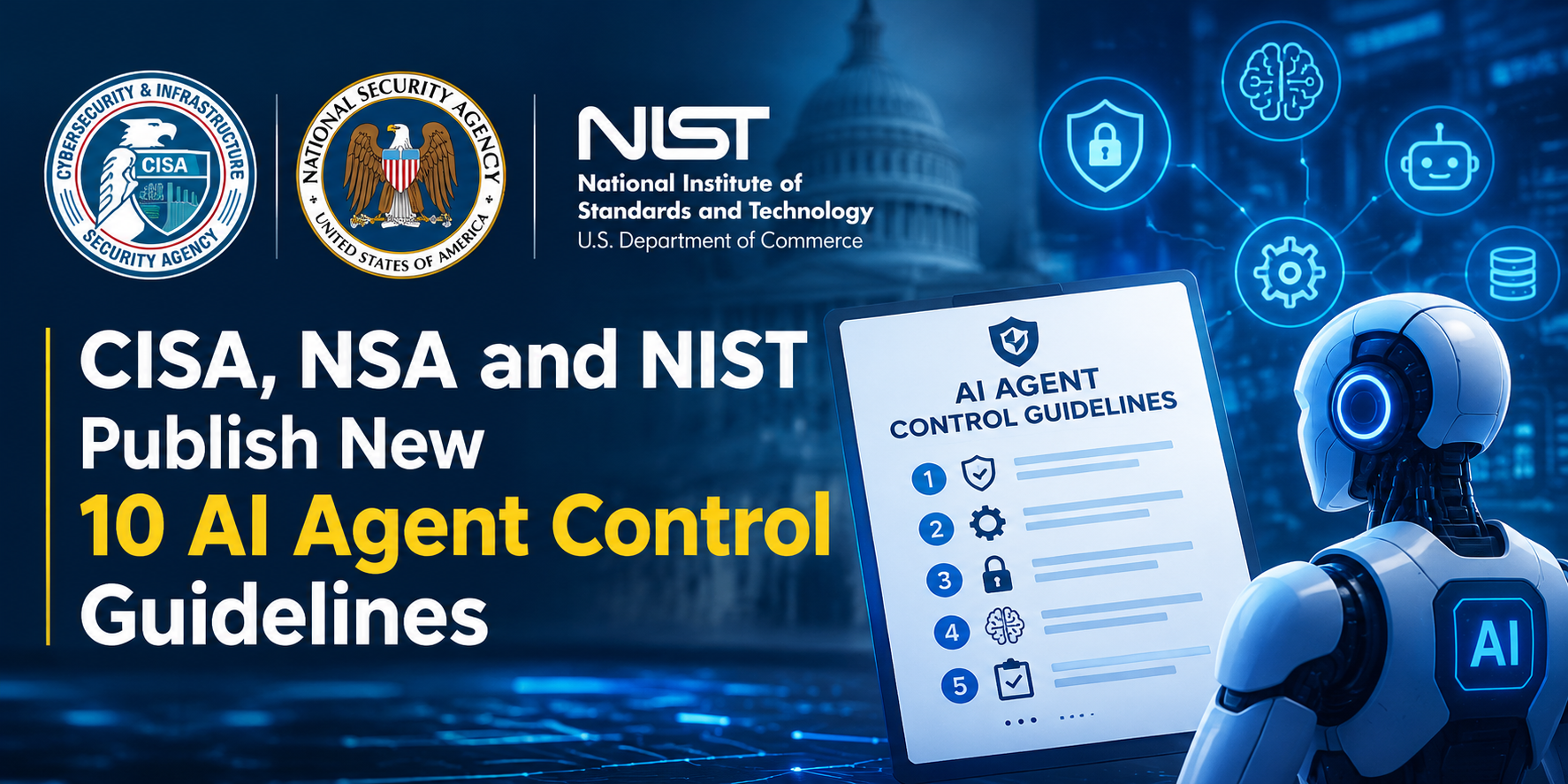
NSA, CISA, and NIST have released security guidelines to find, control, and stop AI agents that go beyond their allowed...
Read More
CISA, NSA and NIST Publish New 10 AI Agent Control Guidelines

Claude AI Cracks 25-Year NSA Cryptography Number Mystery in Just 30 Minutes
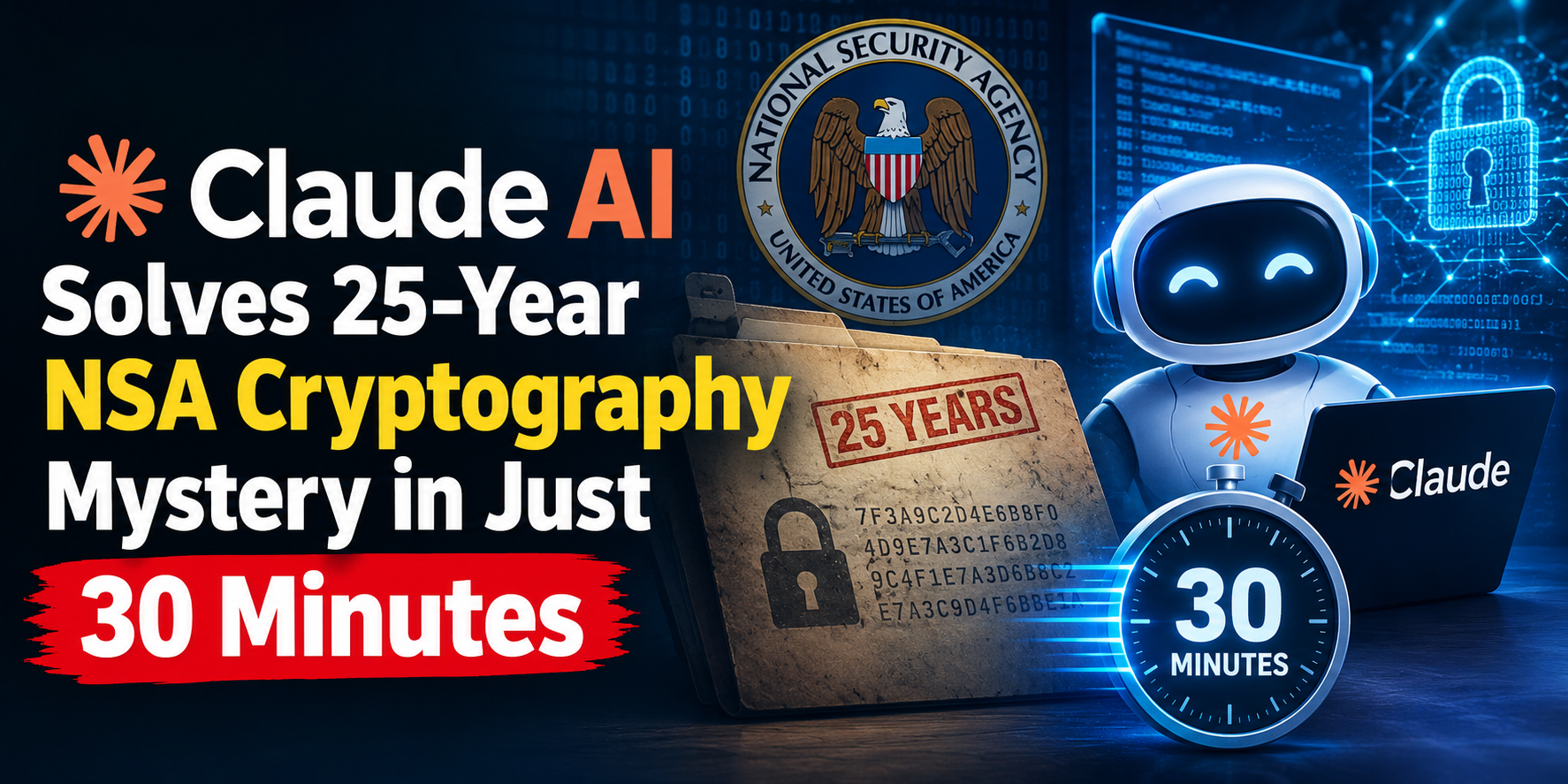
Anthropic says a Claude research model showed how the National Security Agency made seeds for five NIST elliptic curves in...
Read More
Claude AI Cracks 25-Year NSA Cryptography Number Mystery in Just 30 Minutes

Bypassing firewalls, AI Agents Accessed Indian ‘ Data Without Permission: CERT-In

The Indian Computer Emergency Response Team (CERT-In), which is the government's cybersecurity arm, has issued a "critical" rated advisory after...
Read More
Bypassing firewalls, AI Agents Accessed Indian ‘ Data Without Permission: CERT-In

”When I realized that OpenAI might have to verify accounts in bulk, I understood that my password wouldn’t stay hidden. I have more than 20 million access codes to OpenAI accounts. If you want, you can contact me – this is a treasure, and Jesus thinks so too”, The post reads by the threat actor.
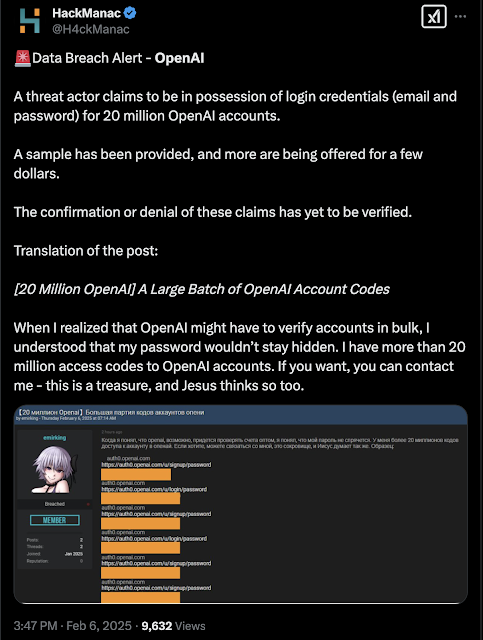
HackManac shared a post from a hacker forum detailing claims made by a threat actor.

Recent cyber threats aimed at AI platforms have risen, highlighted by a July 2023 incident where researchers found over 200,000 OpenAI credentials for sale on the dark web.

These incidents show that cybercriminals are increasingly using AI technologies for malicious activities.

As generative AI tools like ChatGPT become more common, they attract the attention of cybercriminals. Neither OpenAI nor cybersecurity firms have verified the threat actor’s claims.

Source: GBhacker, Cybersecuritynews, Hackmanac

(Media Disclaimer: This report is based on research conducted internally and externally using different ways. The information provided is for reference only, and users are responsible for relying on it. Infosecbulletin is not liable for the accuracy or consequences of using this information by any means)


Check Also

Anthropic

Anthropic’s Claude Code Source Code Reportedly Leaked

Anthropic’s special Claude Code CLI tool had its complete TypeScript source code inadvertently exposed due …