InfoSecBulletin Cybersecurity for mankind
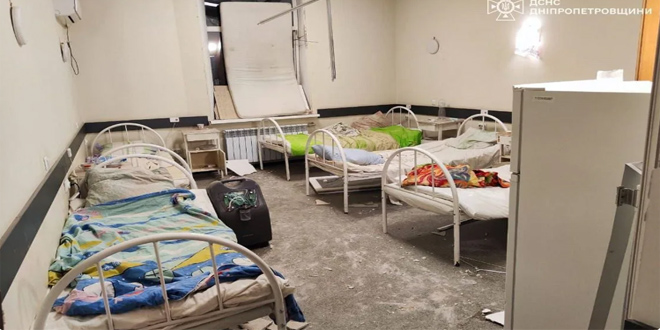
Russia’s two largest pharmacy chains halted operations in several regions on Tuesday due to cyberattacks that affected their digital systems and took their networks offline.
The closures of Neopharm and Stolichki have affected over 1,100 pharmacies in more than 80 cities in central Russia, making it difficult for customers to access prescriptions, medication reservations, loyalty programs, and point-of-sale systems.
PHP shares new RCE flaw (CVE 2026-115560) with no patch but mitigation

US banks faced unauthorized access by AI agents in customer accounts: Axios reports

Atlassian patched 176 flaw in Jira and Confluence: Fortinet Urges to Patch Flaws Affecting FortiOS, FortiManager

Hacker claim to access Rajasthan Police data: 70,000 records allegedly exposed

Update now! PHP2Shell: Critical PHP vulnerabilities patched

Trump says data centres should pay dividends to local community

Hackers Actively Exploiting Palo Alto VPN Flaw Via CVE-2026-0257

DeepSeek AI banned by U.S. Government; federal agencies must remove all related tools
CISA, NSA and NIST Publish New 10 AI Agent Control Guidelines
Claude AI Cracks 25-Year NSA Cryptography Number Mystery in Just 30 Minutes
Stolichki, the larger of the two networks with over 1,000 locations, operates in Moscow, St. Petersburg, and the Leningrad, Tula, and Vladimir regions.
Notices posted to the company’s website apologized for the disruption and promised that “unavailable features would be restored soon.”
Neopharm, operating over 110 pharmacies in Moscow and St. Petersburg, faced shutdowns due to nonfunctional IT systems, forcing employees to go home.
Initially, the chains cited “technical reasons” for the outages. Stolichki later confirmed that the suspensions were caused by a cyberattack and that restoration efforts were underway.
Mash, a Telegram news channel, reports that all Stolichki stores in Moscow have completely shut down, with cash registers and accounting systems disabled.
Employees were put on unpaid leave while the company evaluated the situation. Sources indicated that the outages might last for two days.
Until mid-2022, Yevgeny Nifantiev, a businessman and former State Duma deputy, fully controlled Stolichki and Neopharm. After being sanctioned for supporting Russia’s invasion of Ukraine, he transferred his stake to the Zdravinvest mutual investment fund.
Sergei Shulyak, CEO of DSM Group, stated that certain fund structures can protect against secondary sanctions, enabling sanctioned individuals to indirectly control their business while separating themselves from direct ownership.
The pharmacy outages followed closely on the heels of another major cyberattack, this time against flagship airline Aeroflot.
On Monday, the Ukrainian group Silent Crow and Belarusian group Cyber Partisans took credit for destroying 7,000 Aeroflot servers, disrupting operations at Moscow’s airports and nationwide.
Russia’s Prosecutor General’s Office confirmed that Aeroflot’s system failures stemmed from unauthorized access.
The Cyber Partisans stated that the airline was still using the outdated Windows XP system and that CEO Sergei Aleksandrovsky hadn’t changed his password since 2022.