InfoSecBulletin Cybersecurity for mankind

Cybersecurity and Infrastructure Security Agency (CISA) have added to its Known Exploited Vulnerabilities (KEV) Catalog. They included two serious flaws that cybercriminals are using. These flaws are a dangerous remote code execution (RCE) issue in Microsoft SharePoint and a stored cross-site scripting (XSS) problem in Zimbra Collaboration Suite. This shows the ongoing danger to both government and private businesses.
The worst of the two, CVE-2026-20963, is a serious security issue in Microsoft SharePoint. It has a CVSS score of 9.8. This problem comes from “deserialization of untrusted data,” a common weakness that lets an attacker run code over a network without any login details.
Daily Cyber security update for 24. 10. 2026
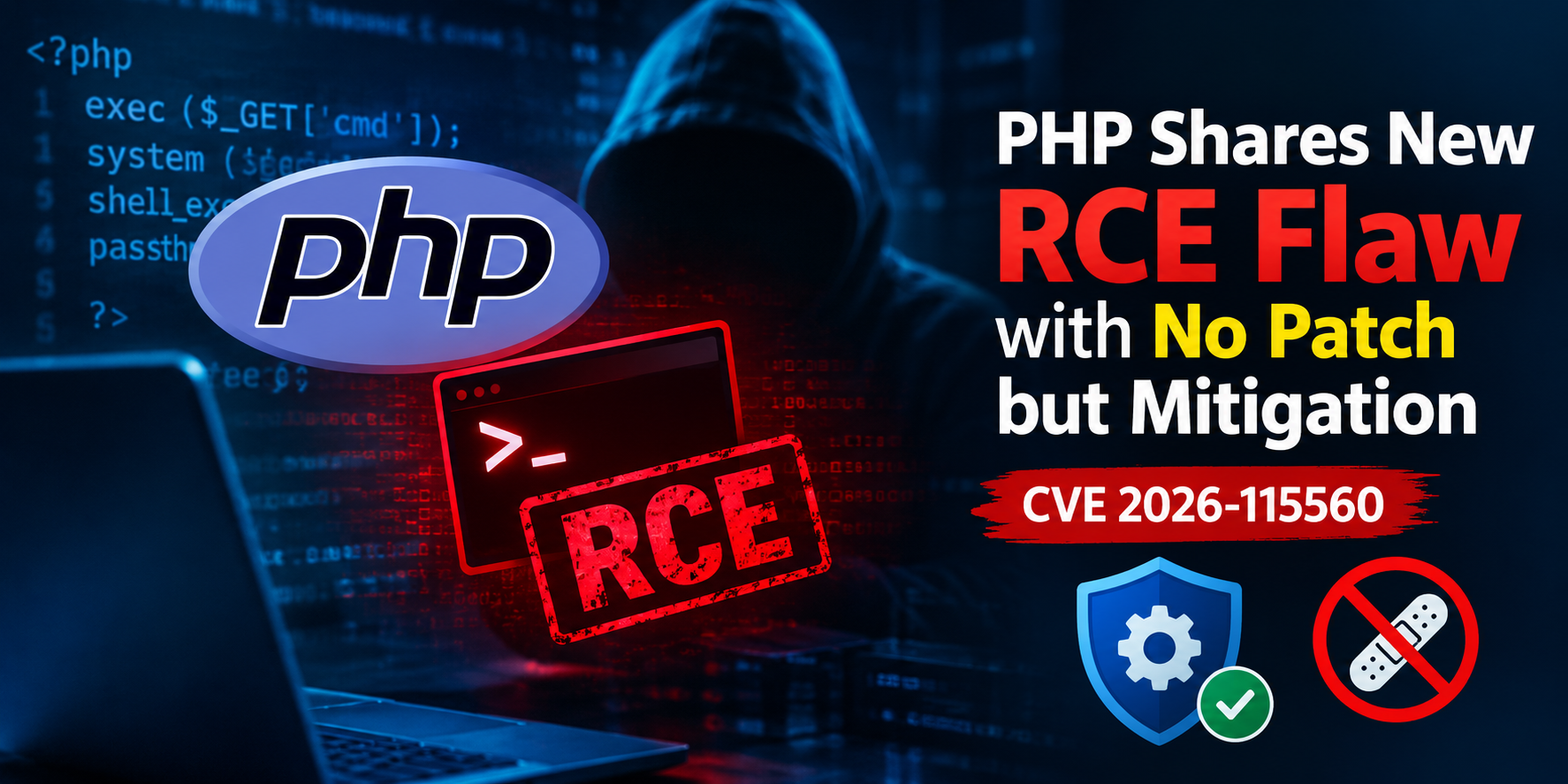
PHP shares new RCE flaw (CVE 2026-115560) with no patch but mitigation
US banks faced unauthorized access by AI agents in customer accounts: Axios reports

Atlassian patched 176 flaw in Jira and Confluence: Fortinet Urges to Patch Flaws Affecting FortiOS, FortiManager

Hacker claim to access Rajasthan Police data: 70,000 records allegedly exposed
Update now! PHP2Shell: Critical PHP vulnerabilities patched

Trump says data centres should pay dividends to local community

Hackers Actively Exploiting Palo Alto VPN Flaw Via CVE-2026-0257

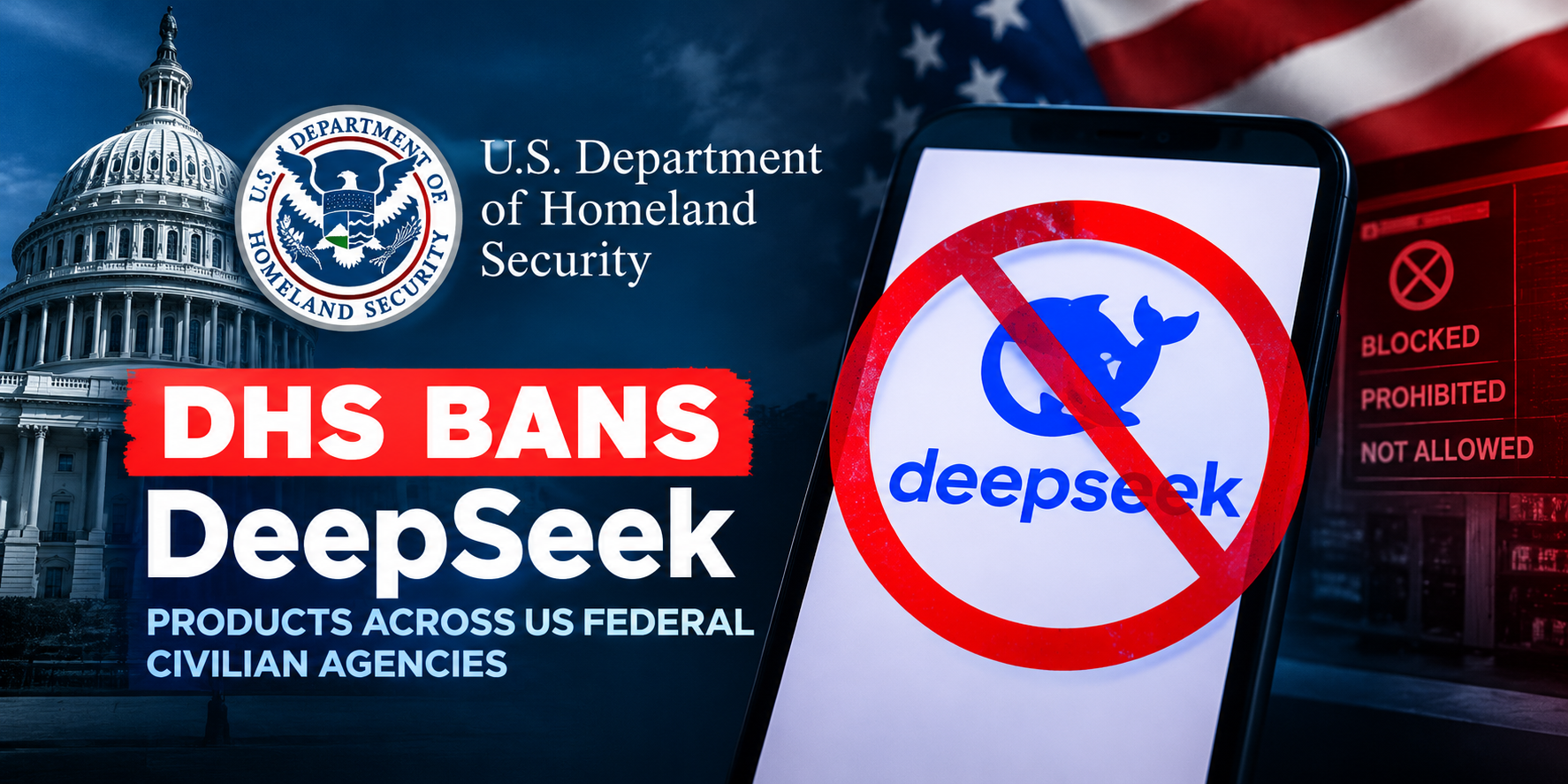
DeepSeek AI banned by U.S. Government; federal agencies must remove all related tools
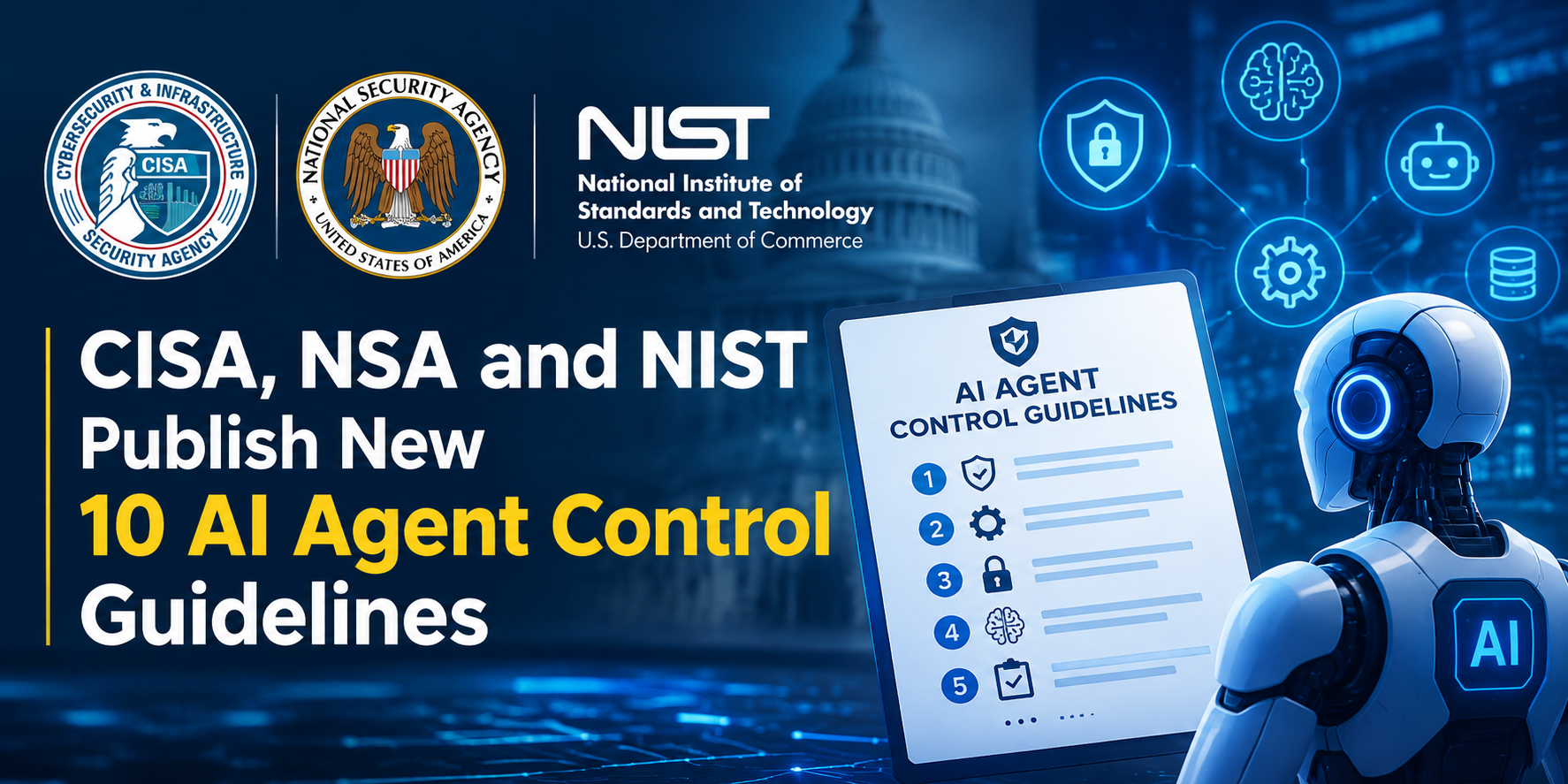
CISA, NSA and NIST Publish New 10 AI Agent Control Guidelines
In a typical network-based attack, a malicious actor could “write arbitrary code to inject and execute code remotely on the SharePoint Server”. Microsoft fixed this issue during its January Patch Tuesday. The bug moving to the KEV catalog means that hackers are still finding and attacking servers that have not been fixed.
The second addition, CVE-2025-66376, affects the Synacor Zimbra Collaboration Suite (ZCS). This weakness lets attackers perform “Classic UI stored XSS through CSS @import commands in an HTML email.”
An attacker can create a special email that has harmful styles. When the email is opened, these styles can make scripts run in the victim’s browser. This affects ZCS version 10 (before 10.0.18) and version 10.1 (before 10.1.13).
These vulnerabilities are common targets for hackers and can be very risky. The CISA rules mainly apply to federal agencies, but the KEV list is important for security teams all around. If CISA warns it’s being used in attacks, your organization is probably in danger if you haven’t made updates.