InfoSecBulletin Cybersecurity for mankind
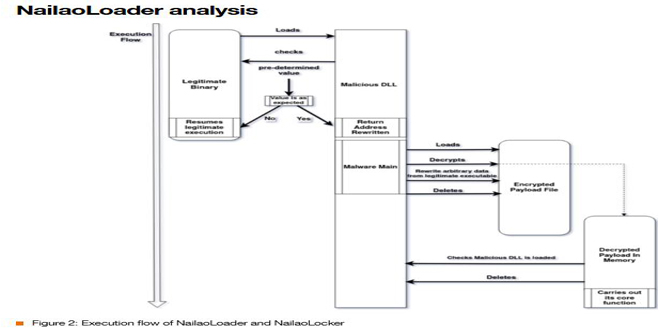
An unknown threat cluster has targeted European healthcare organizations, deploying PlugX and ShadowPad. In some cases, these intrusions resulted in the use of ransomware called NailaoLocker.
Orange Cyberdefense CERT’s Green Nailao campaign targeted a newly patched security flaw (CVE-2024-24919, CVSS score: 7.5) in Check Point network gateway products. The attacks occurred from June to October 2024.
US banks faced unauthorized access by AI agents in customer accounts: Axios reports

Atlassian patched 176 flaw in Jira and Confluence: Fortinet Urges to Patch Flaws Affecting FortiOS, FortiManager

Hacker claim to access Rajasthan Police data: 70,000 records allegedly exposed

Update now! PHP2Shell: Critical PHP vulnerabilities patched

Trump says data centres should pay dividends to local community

Hackers Actively Exploiting Palo Alto VPN Flaw Via CVE-2026-0257

DeepSeek AI banned by U.S. Government; federal agencies must remove all related tools

CISA, NSA and NIST Publish New 10 AI Agent Control Guidelines
Claude AI Cracks 25-Year NSA Cryptography Number Mystery in Just 30 Minutes

Bypassing firewalls, AI Agents Accessed Indian ‘ Data Without Permission: CERT-In

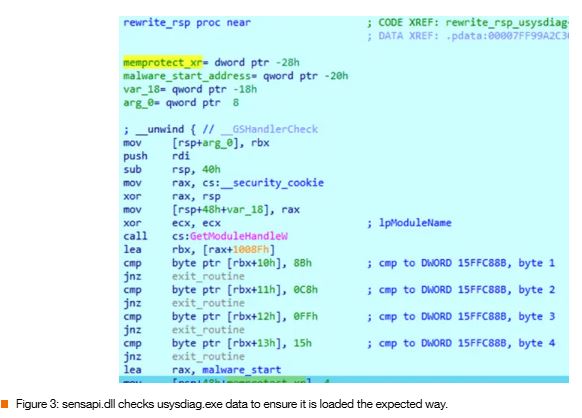
The technical report said, “The campaign relied on DLL search-order hijacking to deploy ShadowPad and PlugX – two implants often associated with China-nexus targeted intrusions.”
The initial access gained by exploiting vulnerable Check Point instances allowed the attackers to obtain user credentials and access the VPN with a valid account.
In the next stage, The attackers used remote desktop protocol (RDP) to explore the network and gain higher privileges. They then executed a legitimate file (“logger.exe”) to load a malicious DLL (“logexts.dll”), which installs a new version of ShadowPad malware.
Threat actors attempted to steal data by accessing the file system and creating ZIP archives. They used Windows Management Instrumentation (WMI) to send three files: a legitimate executable signed by Beijing Huorong Network Technology Co., Ltd (“usysdiag.exe”), a loader called NailaoLoader (“sensapi.dll”), and NailaoLocker (“usysdiag.exe.dat”).
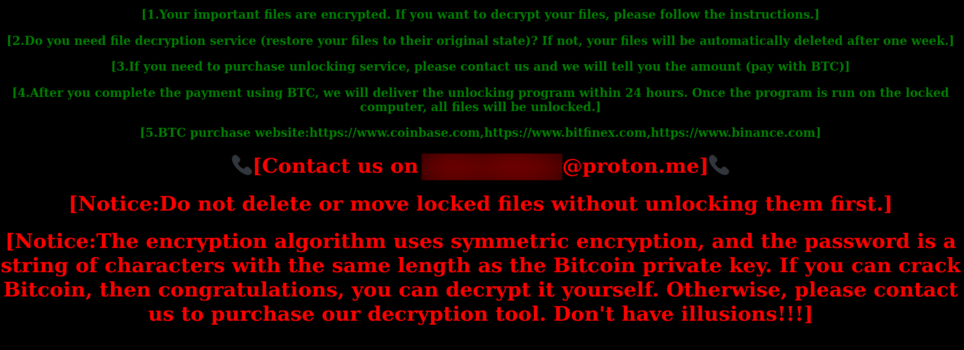
The DLL file is sideloaded using “usysdiag.exe” to decrypt and launch NailaoLocker, a C++ ransomware. It encrypts files, adds a “.locked” extension, and leaves a ransom note asking for payment in Bitcoin or contact via a Proton Mail address.
Orange suspects a Chinese-aligned threat actor is involved due to the use of the ShadowPad implant, DLL side-loading techniques, and similar ransomware tactics linked to another group called Bronze Starlight. To read the full report click here.